This article delves into the foundational contributions of Jac Fitz-enz in human resources analytics. Fitz-enz's work, particularly his 1990 publication, revolutionized how organizations approach talent management and performance assessment by introducing a systematic method for measuring human capital effectiveness. Explore how these insights continue to shape HR practices today.
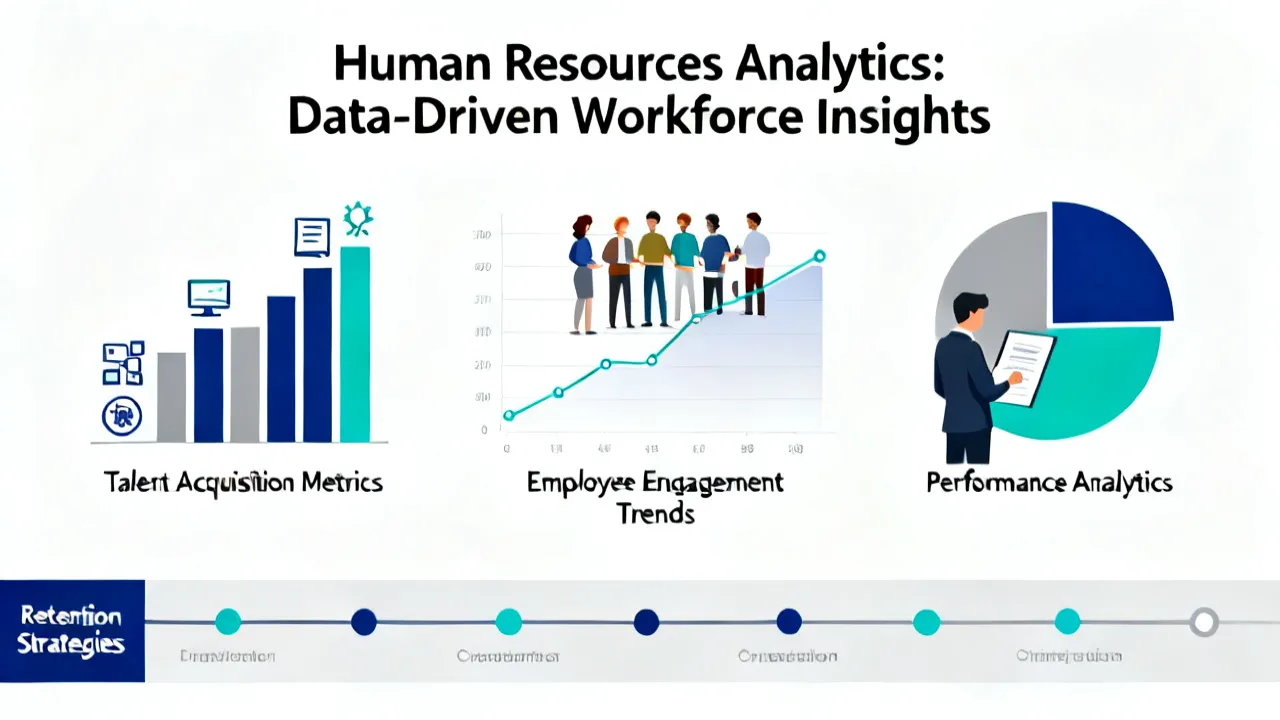
Human resources (HR) analytics has become a crucial component in the strategic functioning of organizations, enabling them to make data-driven decisions regarding talent management. A key figure in the development of this field is Jac Fitz-enz, whose work in 1990 laid the groundwork for contemporary HR measurement practices. This article explores the legacy of Fitz-enz in HR analytics, examining his methodologies and the impact of his work on modern HR strategies. The importance of HR analytics cannot be overstated; it provides companies with insights that lead to improved workforce productivity, enhanced employee engagement, and ultimately greater organizational success.
In 1990, Jac Fitz-enz published a seminal work that introduced a systematic approach to quantifying HR performance. He developed metrics that helped organizations understand the efficiency and effectiveness of their human capital processes. His methodologies provided a framework for assessing various facets of HR, such as recruitment, retention, training, and productivity. These contributions allowed businesses to align HR objectives with broader organizational goals. Fitz-enz's emphasis on leveraging data for decision-making was groundbreaking at the time, transitioning HR practices from anecdotal evidence and intuition-based management to a more structured, data-driven approach.
This shift has paved the way for improved HR practices and strategic planning. Fitz-enz also identified crucial performance indicators that any organization should focus on to measure HR success. These indicators provided a roadmap for businesses to navigate their HR functions more efficiently and effectively. By correlating operational outcomes with human capital investments, organizations began to see the value in their workforce through a newfound analytical lens.
Fitz-enz's work emphasized the importance of leveraging data to optimize human resources functions. He suggested that measuring HR activities through key performance indicators (KPIs) could lead to enhanced organizational performance. This framework involved analyzing recruitment processes, employee engagement levels, training outcomes, and overall workforce productivity to identify areas for improvement and drive strategic decisions. His strategic approach is not only beneficial for informing internal HR functions; it also has the potential to positively influence external business outcomes including customer satisfaction and overall organizational profitability.
| Aspect | Details |
|---|---|
| Recruitment Efficiency | Measuring the time and cost involved in hiring processes to improve onboarding strategies. Understanding which sources yield the best candidates and optimizing job descriptions to attract the right talent are essential components of this analysis. |
| Employee Retention | Analyzing turnover rates and employee satisfaction to develop retention policies. This can also include engagement surveys and determining the impact of workplace flexibility on employee retention. |
| Training Impact | Evaluating the effectiveness of training programs in enhancing employee skills and productivity. This looks not only at completion rates but also at the long-term retention of skills and knowledge and its correlation to performance metrics. |
| Performance Metrics | Using data-driven performance evaluations to align employee goals with organizational targets. Implementing continuous feedback mechanisms aids in setting achievable performance benchmarks. |
Fitz-enz's insights into HR analytics have had a profound impact on how organizations approach human capital management today. By encouraging the use of quantitative analysis, he helped shift the perception of HR from an administrative function to a strategic partner within businesses. Companies now utilize advanced analytical tools to forecast talent needs, assess the ROI of HR initiatives, and create more resilient workforces. The implementation of HR analytics has not only improved individual performance but has also uncovered insights that can drive organizational change and innovation.
Moreover, the significance of HR analytics is particularly pronounced in the realm of workforce planning. Organizations benefit from predicting future hiring needs based on historical data and market trends. This proactive approach ensures that businesses are better equipped to meet their future demands, thereby avoiding the pitfalls associated with talent shortages or overstaffing.
Since 1990, technological advancements have further expanded the capabilities of HR analytics. Modern tools incorporate machine learning and artificial intelligence to provide deeper insights into workforce dynamics. These technologies can analyze vast amounts of employee data to discern patterns and predict outcomes with greater accuracy than ever before. Fitz-enz's foundational concepts remain relevant, as they underpin these sophisticated analytics solutions, allowing for more precise and impactful decision-making.
Technologies such as predictive analytics and big data analytics enable organizations to examine employee behavior and preferences, thus creating a more tailored and engaging workplace environment. Such advancements allow HR professionals to identify potential flight risks before they leave and to craft targeted engagement strategies to mitigate this risk. Additionally, tools such as Natural Language Processing (NLP) help in analyzing employee feedback and sentiments, providing companies with a pulse on employee morale and engagement levels.
As HR analytics continues to evolve, it presents new challenges and opportunities for practitioners. Data privacy and ethical considerations have become paramount, as organizations must navigate the complexities of handling sensitive employee information. Ensuring data compliance with regulations such as GDPR is critical to maintaining trust and safeguarding employee data. Moreover, companies are encouraged to foster a culture of analytics, providing training to HR professionals to enhance their data literacy and analytical capabilities.
The adoption of an analytics culture involves instilling the importance of data across all levels of HR operations. This cultural shift is essential for organizations aiming to leverage HR analytics fully, as it encourages teamwork and shared accountability. Furthermore, disseminating insights from HR analytics findings to other departments helps integrate HR data into overall business strategies, enhancing collaboration and departmental alignment in pursuing organizational goals.
Real-world applications of HR analytics demonstrate its transformative potential across industries. For instance, a leading technology firm utilized HR analytics to examine its recruitment process meticulously. By analyzing data from their recruitment platforms, they identified that certain recruitment channels yielded significantly better candidates and hired more quickly than others. As a result, they reallocated their budget towards these successful sources, significantly reducing time-to-hire and improving overall candidate quality.
Another compelling example comes from a prominent retail organization that implemented HR analytics to better understand employee engagement. By conducting regular engagement surveys and leveraging analytics platforms, they discovered that employees valuing flexible work schedules were reporting higher satisfaction. The company responded by implementing workplace flexibility initiatives, leading to a measurable increase in employee retention rates and overall morale.
To appropriately measure the success of HR analytics initiatives, organizations should establish clear metrics that reflect their desired outcomes. These success metrics might include improvements in employee engagement scores, reductions in turnover rates, and increases in the speed of talent acquisition. Furthermore, organizations should assess the ROI of their HR analytics initiatives by comparing the costs associated with HR technology against the enhancements made in recruitment efficiency, employee satisfaction, and overall productivity.
Another significant metric is the alignment of employee performance with organizational goals. This can be monitored by establishing performance benchmarks linked to organizational objectives and assessing employee contributions towards these goals. Such measures ensure that HR analytics serves not only as a tool for operational efficiency but also as a means of reinforcing organizational strategy and alignment.
The future of HR analytics is promising and will likely involve further integration of technology into traditional HR functions. The growth of the gig economy will challenge organizations to rethink talent management as they consider freelancers and contractors as integral parts of the workforce. Additionally, advancements in artificial intelligence and machine learning will allow for more nuanced insights into employee behaviors, motivations, and trends.
Furthermore, organizations will continue to refine their analytics capabilities with a focus on predictive and prescriptive analytics. This will enable businesses to anticipate challenges and make data-informed decisions before issues arise, creating proactive HR management practices. With the expanding scope of HR analytics, we can also expect a growing emphasis on personalization, allowing companies to tailor employee experiences to individual preferences and needs.
What is HR analytics?
HR analytics involves using data analysis techniques to improve human resource management by evaluating processes such as recruitment, training, and employee performance. It enables organizations to make informed decisions based on empirical data, leading to enhanced workforce effectiveness and efficiency.
Who is Jac Fitz-enz?
Jac Fitz-enz is a pioneer in the field of HR analytics, known for his work in developing methods to measure and evaluate HR performance effectively. His contributions have laid the foundational principles upon which modern HR analytics is built, and he is widely regarded as a thought leader in the discipline.
How did Fitz-enz influence modern HR practices?
His emphasis on data-driven decision-making shifted HR's role within organizations from administrative to strategic, enhancing the efficacy of HR functions. As a result, organizations began utilizing data to align their human capital strategies with business objectives, driving performance improvements across the board.
Are Fitz-enz's methodologies still relevant?
Yes, they form the basis for current HR analytics practices and continue to influence the development of new tools and strategies. The emphasis on measurable outcomes and the alignment of HR goals with business objectives remains vital in today's competitive landscape.
What are some challenges in implementing HR analytics?
Challenges include ensuring data integrity, safeguarding employee privacy, and fostering a culture of analytics within the organization. Additionally, HR professionals may require training and skills development to become proficient in using analytical tools effectively.
The legacy of Jac Fitz-enz in HR analytics is undeniable. His 1990 publication established a critical foundation for evaluating human capital performance, which continues to evolve and influence the industry. Understanding his contributions helps organizations harness the full potential of their workforce, ensuring that HR remains a pivotal element in achieving business objectives. As HR analytics technology advances, the fundamentals introduced by Fitz-enz will continue to guide and inspire innovation in the field.
As organizations increasingly recognize the value of a data-driven approach in managing human resources, the principles laid out by Fitz-enz will likely experience renewed focus. By continually advancing HR analytics practices, companies can facilitate a better understanding of workforce dynamics, nurture talent effectively, and remain competitive in ever-changing markets. Ultimately, as organizations prioritize their human capital, the insights provided by HR analytics will become indispensable for driving organizational success and achieving strategic objectives.
Striking the Perfect Balance: Navigating Premiums and Out-of-Pocket Expenses in Senior Insurance Plans

Explore the Tranquil Bliss of Idyllic Rural Retreats

How to Make Lasting Memories at Disneyland Attractions

Affordable Phones and Plans for Seniors

Affordable Full Mouth Dental Implants Near You

Unlock the Top Kept Secrets to Finding Your Ideal Dentist for Flawless Dental Implant Results!

Discovering Springdale Estates

Unveiling RS Sul Telecom Services

The Guide to Car Trading

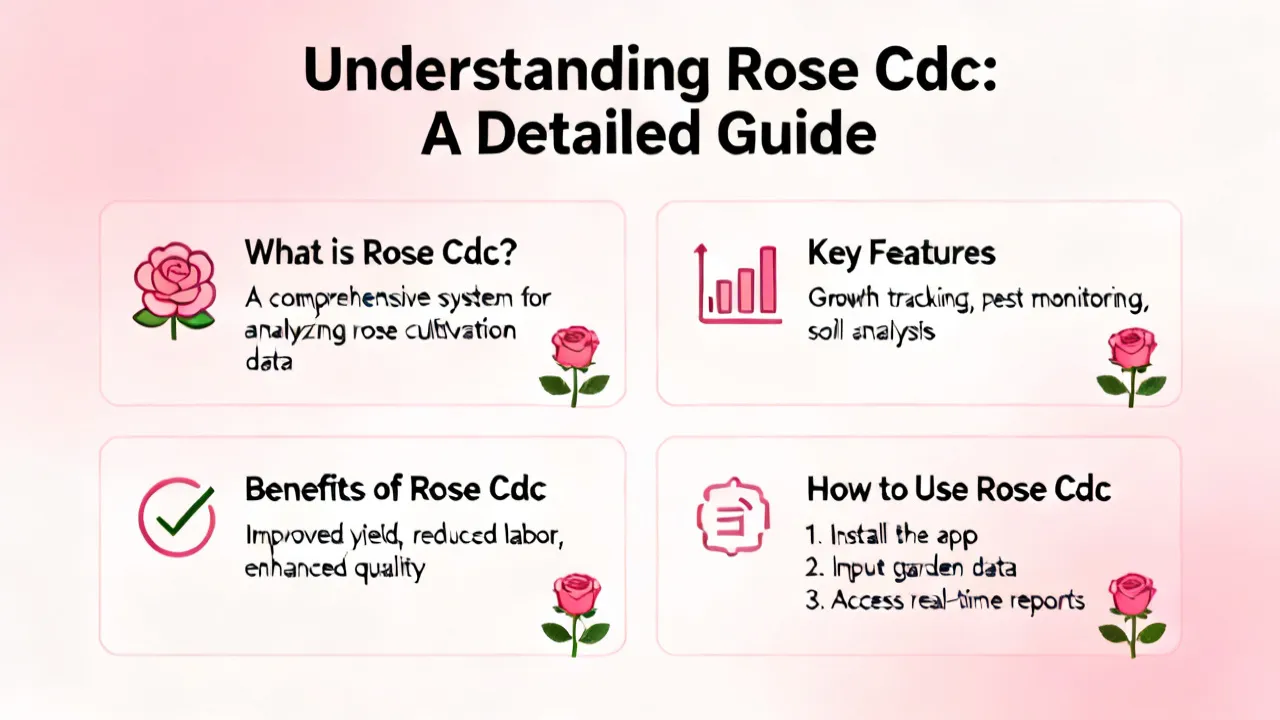
Understanding Rose Cdc: A Comprehensive Guide
This article provides an in-depth exploration of Rose Cdc, a term rapidly gaining attention in specific industries. Our discussion delves into the significance and application of Rose Cdc, its potential impact on various sectors, and expert insights into its future developments. This comprehensive analysis is designed to inform readers about the multifaceted aspects of Rose Cdc, its current applications, and potential advancements.

Understanding Compliance and AML Strategies
This article delves into the intricate realm of Compliance and Anti-Money Laundering (AML) strategies, highlighting their significance in the corporate world. Compliance AML refers to the organizational adherence to legal standards and regulations to deter financial crimes, ensuring transparent and ethical financial practices. This comprehensive guide examines these strategies' complexities and their pivotal role in safeguarding economic integrity.

Mastering Inbound B2B Strategies
The foundation of successful B2B strategies often lies in the effective implementation of inbound marketing techniques. In today's globally connected business environment, inbound B2B strategies have become critical for companies seeking to engage target audiences, optimize lead generation, and establish long-lasting partnerships. Understanding these strategies is essential for companies aiming to thrive in competitive markets.

Exploring B2B MBA Opportunities
Dive into the dynamic world of B2B MBA programs, designed for professionals seeking to enhance their strategic and management skills in a business-to-business context. This comprehensive guide discusses the significance of B2B MBAs in today's market, highlighting how these programs equip leaders with the expertise to navigate complex B2B relationships and drive business success.

Understanding Whitewater Regenerative Blowers
Whitewater Regenerative Blowers are essential in various industrial applications for their efficiency in moving air and gases. These blowers are known for their durability and ability to operate continuously, making them a preferred choice for industries ranging from wastewater treatment to aquaculture. This article explores their features, benefits, and applications, offering readers a comprehensive understanding of their importance in modern industry.

Mastering Employee Retention Strategies
Employee retention has become a critical aspect of organizational success, particularly in the dynamic landscape of 2020. As businesses strive to maintain a stable and productive workforce, understanding effective retention strategies is essential. This article delves into key methods for enhancing employee satisfaction and retention, offering a comprehensive guide for HR professionals and business leaders alike.