Fitz Enz's 1990 work on human resource metrics revolutionized the analytics landscape in human resource management. His groundbreaking insights provided a framework for understanding and quantifying the value of human capital within organizations. This article delves into the significant contributions of Fitz Enz, exploring the methodologies and impacts of his findings on modern HR practices.
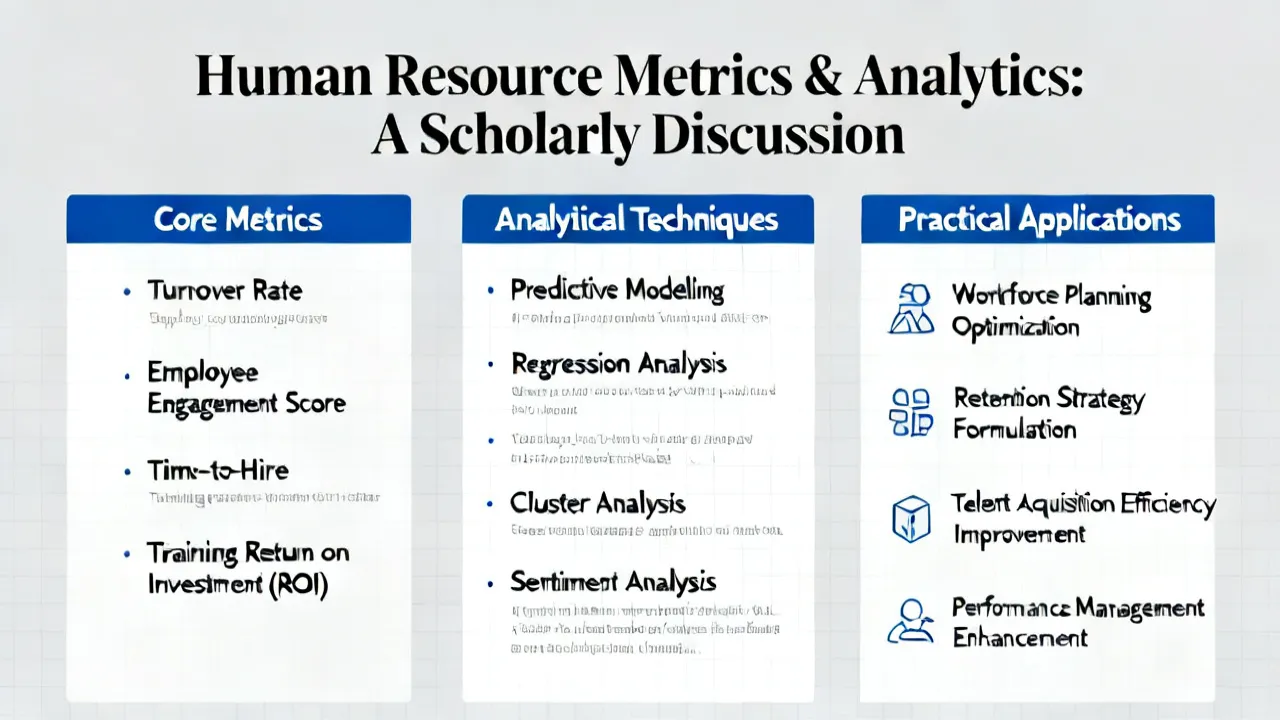
Human resource management has undergone a significant transformation since the late 20th century, largely influenced by innovational thought leaders who introduced new paradigms for evaluating workforce efficiency. Among these pioneers was Fitz Enz, whose 1990 publication became a cornerstone in the realm of human resource metrics. His work illuminated the necessity for robust data analytics in assessing and optimizing employee performance, thus redefining how organizations perceive human capital as a critical asset.
In 1990, Jac Fitz Enz published his seminal work on human resource metrics, which laid a foundational basis for HR analytics. Fitz Enz emphasized the importance of measuring and understanding the multifaceted aspects of human resources through data-driven approaches. His methodologies facilitated the transformation of HR from an administrative function to a strategic business partner. This change required organizations to develop sophisticated metrics to justify their investments in human capital. One could argue that Fitz Enz's impact is felt today more than ever as organizations strive for efficiency in a rapidly changing work environment. His early recognition of the potential for data analysis in HR has proved invaluable in an era where every decision made must be supported by solid evidence.
Fitz Enz's methodologies revolved around the quantification of HR activities and their correlation to business outcomes. The following methodologies are still prevalent in today's HR analytics:
| Methodology | Description |
|---|---|
| Human Capital ROI | Measures the return on investments made in employee training and development through quantifiable performance metrics. |
| Workforce Segmentation | Divides the workforce into distinct segments based on various criteria (e.g., role, performance level) to tailor strategies for each group, thus enhancing overall productivity and satisfaction. |
| Predictive Analytics | Utilizes historical data to anticipate future workforce trends and needs, allowing organizations to proactively address potential issues such as turnover or skill gaps before they escalate. |
Since the introduction of Fitz Enz’s methodologies, the field of HR analytics has seen significant advancements. Modern technology has further enhanced the depth and accuracy of workforce data analysis, transforming how organizations manage and analyze their human resources.
HR metrics are critical for understanding the effectiveness and impact of HR activities on organizational performance, allowing for data-driven decision-making. They provide insights that help HR professionals craft more effective strategies and manage talent more efficiently.
Fitz Enz provided a framework for quantifying human capital, influencing a shift towards strategic HR management and the widespread adoption of analytics. His work helped to elevate the role of HR from a support function to a strategic partner within organizations.
Modern HR analytics often employ cloud-based systems, AI algorithms, and various software tools that facilitate real-time data processing and predictive analytics. Platforms such as Workday, SAP SuccessFactors, and BambooHR are examples of tools that integrate these advanced analytical capabilities.
The work of Fitz Enz in 1990 was a pivotal moment for HR analytics, establishing a new era where data and human resource management intersect. His vision opened doors for organizations to leverage quantitative data in meaningful ways, fostering a culture of continuous improvement within the workforce. Today, the principles he introduced continue to guide organizations striving to optimize their workforce through evidence-based strategies. As technology continues to evolve, the potential for advanced analytical practices in HR is limitless, promising a future where decisions are increasingly informed by data-driven insights. The integration of new technologies such as machine learning and big data will further amplify the capabilities of HR analytics, thus ensuring that organizations remain competitive in an ever-changing business landscape.
Looking forward, the landscape of HR analytics will likely be characterized by a continuous evolution in both methodologies and technologies. As the need for agile and adaptable workplaces becomes increasingly pressing, HR analytics will serve as a critical tool for enabling organizations to stay ahead of trends and adapt accordingly. Here are some potential future directions in HR analytics:
To illustrate the impact of HR analytics, consider a few case studies of organizations that have successfully adopted these methodologies to enhance their HR functions:
Google is renowned for its data-driven approach across all business areas, including HR. The company employs sophisticated analytics to assess employee performance, engagement, and satisfaction. By analyzing data from employee surveys and performance reviews, Google has implemented initiatives that address specific employee concerns, boost morale, and improve employee retention. The company's emphasis on data has allowed them to remain a leader in employee satisfaction and innovation.
IBM has invested heavily in HR analytics, utilizing predictive analytics to automate certain HR functions and enhance decision-making. The organization employs analytics to identify retention risks by analyzing historical data on employee turnover. This proactive approach allows IBM to take targeted actions to retain high-potential employees, thus reducing turnover costs significantly.
Deloitte utilizes HR analytics to refine its talent management strategies and improve employee engagement. By segmenting its workforce and understanding the unique needs of different groups, Deloitte has tailored its programs to fit employee preferences. The result has been higher engagement scores and improved performance metrics across the board.
The rise of HR analytics has significant implications for HR professionals. Those in the field must evolve their skill sets to stay relevant in a data-driven environment. This evolution includes:
The journey of HR analytics continues as technology advances and the business landscape shifts. The insights derived from HR analytics play a vital role in navigating these changes, helping organizations to create more efficient, effective, and employee-centric workplaces. As businesses invest in evolving data capabilities, the ongoing commitment to human capital optimization will be more crucial than ever. The legacy of Fitz Enz's work, stepping from traditional HR practices into the realm of analytics, will be foundational for the next generation of HR leaders who are poised to embrace and drive this transformational journey toward data-informed decision-making in human resources.
Striking the Perfect Balance: Navigating Premiums and Out-of-Pocket Expenses in Senior Insurance Plans

Explore the Tranquil Bliss of Idyllic Rural Retreats

How to Make Lasting Memories at Disneyland Attractions

Affordable Phones and Plans for Seniors

Affordable Full Mouth Dental Implants Near You

Unlock the Top Kept Secrets to Finding Your Ideal Dentist for Flawless Dental Implant Results!

Discovering Springdale Estates

Unveiling RS Sul Telecom Services

The Guide to Car Trading

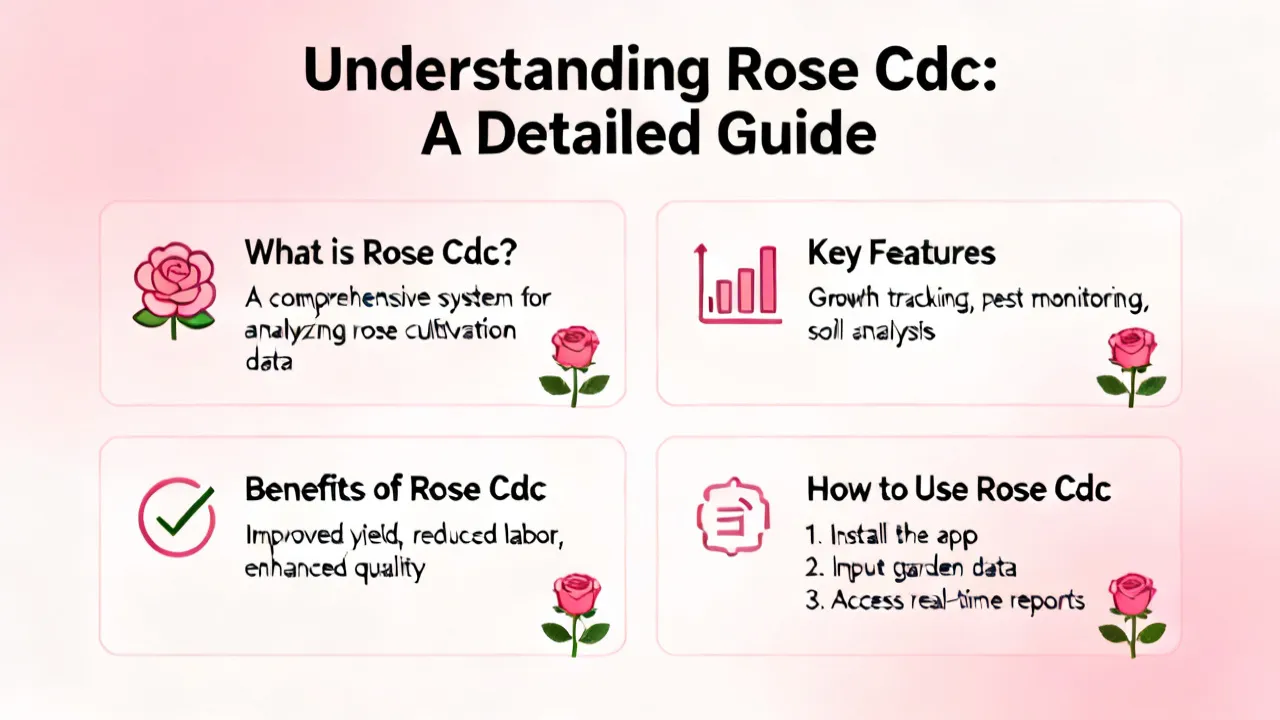
Understanding Rose Cdc: A Comprehensive Guide
This article provides an in-depth exploration of Rose Cdc, a term rapidly gaining attention in specific industries. Our discussion delves into the significance and application of Rose Cdc, its potential impact on various sectors, and expert insights into its future developments. This comprehensive analysis is designed to inform readers about the multifaceted aspects of Rose Cdc, its current applications, and potential advancements.

Understanding Compliance and AML Strategies
This article delves into the intricate realm of Compliance and Anti-Money Laundering (AML) strategies, highlighting their significance in the corporate world. Compliance AML refers to the organizational adherence to legal standards and regulations to deter financial crimes, ensuring transparent and ethical financial practices. This comprehensive guide examines these strategies' complexities and their pivotal role in safeguarding economic integrity.

Mastering Inbound B2B Strategies
The foundation of successful B2B strategies often lies in the effective implementation of inbound marketing techniques. In today's globally connected business environment, inbound B2B strategies have become critical for companies seeking to engage target audiences, optimize lead generation, and establish long-lasting partnerships. Understanding these strategies is essential for companies aiming to thrive in competitive markets.

Exploring B2B MBA Opportunities
Dive into the dynamic world of B2B MBA programs, designed for professionals seeking to enhance their strategic and management skills in a business-to-business context. This comprehensive guide discusses the significance of B2B MBAs in today's market, highlighting how these programs equip leaders with the expertise to navigate complex B2B relationships and drive business success.

Understanding Whitewater Regenerative Blowers
Whitewater Regenerative Blowers are essential in various industrial applications for their efficiency in moving air and gases. These blowers are known for their durability and ability to operate continuously, making them a preferred choice for industries ranging from wastewater treatment to aquaculture. This article explores their features, benefits, and applications, offering readers a comprehensive understanding of their importance in modern industry.

Mastering Employee Retention Strategies
Employee retention has become a critical aspect of organizational success, particularly in the dynamic landscape of 2020. As businesses strive to maintain a stable and productive workforce, understanding effective retention strategies is essential. This article delves into key methods for enhancing employee satisfaction and retention, offering a comprehensive guide for HR professionals and business leaders alike.