This guide explains how Paychex 401(k) plan administration connects with Fidelity and what participants should check before choosing investments or making contributions. It then provides an objective background on how recordkeeping, rollovers, fees, and participant controls typically work in modern 401(k) ecosystems, including what to confirm in plan documents and statements from your employer and provider.

When employees first encounter Paychex 401k Fidelity in onboarding materials, retirement communications, payroll exports, or plan FAQs, it can create an impression that there is one single “Paychex + Fidelity 401(k)” product. In reality, most 401(k) plans are built from multiple layers. In a typical setup, Paychex often appears as a plan administration and payroll integration vendor (or administrator), while Fidelity often appears as the recordkeeper and/or the investment platform that hosts the participant’s account, investment menu, transaction processing, and account statements.
Because employers can configure and contract these layers differently, the participant experience you personally see—your contribution election workflow, the look and feel of the online portal, where your investment transactions show up, how statements are produced, and which fees are displayed—depends on your specific plan design and on the exact vendor relationships established by your employer. Even if two employees at different companies both see “Paychex 401k Fidelity,” their plan rules may differ substantially: investment lineups might not match, employer match schedules can vary, rollover eligibility can change, and loan or hardship withdrawal functionality is never guaranteed.
So before you invest, roll assets, or change elections, focus on three core verification goals: (1) confirm which recordkeeping/investment platform identity is actually used on your statement and online account; (2) review the official disclosures for all plan-level and investment-level expenses; and (3) understand the precise operational process for contributions, transfers, and rollovers as your plan and provider define them. This is the fastest way to reduce confusion and avoid expensive or tax-impacting mistakes.
It’s common for multiple vendor names to show up in plan materials because employer-sponsored retirement plans involve several functions that aren’t all performed by one entity. A single “401(k) plan” is typically a legal plan document plus service arrangements. Your employer signs contracts with service providers and then runs the plan according to the governing plan documents and the associated administrative agreements.
In many modern plan ecosystems:
That’s why the phrase Paychex 401k Fidelity frequently emerges in participant-facing content. It’s often a shorthand meant to inform you that (a) your employer uses Paychex to support plan administration workflows and payroll integration and (b) your retirement account is hosted and serviced through a Fidelity recordkeeping/investment system.
However, as an employee, it’s more useful to treat Paychex and Fidelity as a “division of responsibilities” than as a single unified product. Your employer’s contract choices determine what you can do online, which disclosures you receive, what fees are charged and how they are presented, and what rules apply when you request rollovers, loans, or withdrawals. Vendor names can look similar, but the operational details are plan-specific.
For many participants, the meaning of Paychex 401k Fidelity becomes concrete only when you try to do something real—make an election, change your contribution amount, allocate contributions among investment choices, update beneficiary information, or review the results of those actions.
To confirm that your plan is functioning as expected, verify these items on your plan portal and in your most recent statement (or the most recent “transaction history” screen):
Even if the “front-end” user experience feels smooth, it’s possible that some tasks are handled by Paychex (for example, certain payroll-related processing) while others are handled by Fidelity (for example, how the recordkeeping system credits contributions and displays investment allocations). That division matters mainly when you see timing issues, missing entries, or election changes that behave unexpectedly. If something looks off, the more actionable approach is to understand your plan’s election effective dates and transaction cutoffs, rather than relying on assumptions based on vendor reputation.
For 401(k) participants, fees can influence outcomes more than small differences in contribution timing or minor variations in fund lineup. A plan with respectable investment options can still be expensive if plan-level costs and hidden revenue-sharing structures are not competitive. Conversely, a plan with a narrow menu might be acceptable if plan costs and fund expense ratios are low and the menu includes good index or target-date options.
To keep your evaluation objective when dealing with Paychex 401k Fidelity arrangements, separate fees into three layers:
The most practical step is to locate your plan’s official disclosures and then match what you find there to what you observe on statements and fund performance information. In the U.S., plan fiduciary duties and disclosure rules aim to provide participants with meaningful fee transparency through required documents and periodic notices. The U.S. Department of Labor’s framework for fee disclosures is designed to improve transparency so participants can evaluate plan costs.
Reference context: The Department of Labor’s fee disclosure framework is designed to improve transparency for retirement plan participants, including required disclosures and participant-facing notices. Source: U.S. Department of Labor retirement plan guidance and participant fee disclosure materials (see official DOL resources).
If your plan is administered through Paychex and recordkept through Fidelity, the portal branding may be helpful for access—but the fee evaluation should come from the documents your plan provides: the Summary Plan Description (SPD), fee-related disclosures, and any annual notices that summarize administrative costs and relevant investment fees. Using the official documents prevents you from relying on incomplete assumptions such as “Fidelity is reputable, so fees are low,” which can be true in some plans and misleading in others.
When Paychex 401k Fidelity is referenced, some employees assume the investment menu is standardized across employers using these vendors. That assumption often fails. Even when employers share the same recordkeeper, each employer can choose which funds to include, which share classes to offer, whether to include managed accounts or model portfolios, and whether to include a stable value option. Additionally, the plan may offer different share classes or cost structures based on contract terms.
Therefore, your investment menu should be treated as plan-specific, not vendor-specific. To interpret your menu effectively, review the following concepts and see how they appear in your actual lineup:
Because investment menus differ, the most reliable sources are the official fund lineup documents and the fund information accessible through the recordkeeping platform. If you have access to prospectuses, summary prospectuses, or fact sheets, use them to understand what you’re actually holding.
Another area where Paychex 401k Fidelity can affect your experience is rollovers and transfers. Many employees move money between accounts—into a new employer’s 401(k), out of an old plan, or between an IRA and a 401(k). While you might assume the process is standardized, the actual rules can depend heavily on your new plan’s terms.
When you consider a rollover, transfer, or an account-to-account movement, verify these operational details:
In many situations, direct rollovers are simpler because they reduce the chance of accidental missed deadlines. But whether it’s “best” for you still depends on your plan’s acceptance criteria and on your tax situation. Use the instructions your plan provides, and then verify the status in your account until the rollover is fully posted.
Also, watch for the difference between moving money into your 401(k> and moving your existing 401(k) within the same platform. Even when the recordkeeper is the same company, your plan’s rules may treat incoming rollovers differently than regular payroll contributions.
Participants often ask whether they can take loans or hardship withdrawals when they see Paychex 401k Fidelity. The presence of loan or hardship features is not solely determined by the vendor names. It is determined by the plan document and the plan’s compliance framework.
It’s important to approach loans and hardship distributions as rule-driven actions rather than “convenient access.” Before initiating a request, verify the terms in your plan documents and in the specific portal prompts. At minimum, check:
For hardship withdrawals, the most important concept is that “hardship” must meet plan-specific criteria and must align with applicable IRS requirements and documentation requirements. Common scenarios might include certain medical expenses, purchase of a primary residence, prevention of eviction or foreclosure, or certain funeral expenses—but the plan defines what qualifies. Your plan may require you to attest that the hardship meets the plan definition and may require steps such as taking other available distributions (subject to IRS rules) before approving a hardship withdrawal.
In practice, the portal may present hardship and loan options only when you meet eligibility conditions, but it’s still your responsibility to read the underlying rules and understand tax implications. If you’re unsure, it’s better to confirm with the plan’s official support channels using your plan name and participant ID than to rely on general guidance.
Even when vendor names stay consistent, employer match and plan design can vary dramatically. Match generosity is influenced by how the employer structures the match: the match percentage, the eligible compensation definition (what part of pay counts), any salary deferral limits, and the vesting schedule for employer contributions.
When Paychex 401k Fidelity appears in plan context, it should not be used as a proxy for “good” or “bad” match. Instead, focus on the match terms in your official plan materials.
Specifically, verify:
If your goal is to optimize contributions, align your deferral elections with the match formula while ensuring you understand contribution timing and vesting. Then consider whether Roth or pre-tax contributions are a better fit for your tax situation. Match optimization is a tactical decision, but taxes and long-term allocation are strategic decisions.
Account portals can be visually polished, but decision-making requires correct interpretation. When reviewing your statement or transaction history under a Paychex 401k Fidelity arrangement, treat the portal as a recordkeeping interface and verify the data using a consistent checklist.
Confirm the following on your statement:
If anything looks inconsistent—missing employer match, an election that didn’t take effect when expected, or a rollover that appears delayed—escalate through the plan’s official support channel and reference the statement period. Provide screenshots of the transaction history if possible, and ask for the recorded effective dates and allocation steps. That process helps you get to root causes rather than guessing whether the discrepancy is “vendor-related” or “market-related.”
In the broader retirement plan ecosystem, federal disclosure rules and fiduciary standards exist to support participant transparency. The goal is not to force participants into financial administration expertise, but to ensure they can access the information needed to make informed choices about fees, investment options, and plan features.
The U.S. Department of Labor provides retirement plan guidance and participant resources that explain what must be disclosed and how participants can use that information to evaluate their retirement plans. These frameworks are intended to help participants understand the operational and cost-related aspects of their plans rather than relying on assumptions.
Reference context: U.S. Department of Labor (official guidance and participant education materials).
Additionally, industry research organizations and credible financial education groups periodically publish analyses of retirement plan design trends and disclosure practices. When consulting third-party reports, prioritize materials that reference credible methodologies, official filings, or data collected using transparent processes. If a report doesn’t clearly explain how it reaches conclusions, treat it as informational rather than definitive.
The elements below are meant to clarify how participants should think about Paychex 401k Fidelity in a neutral, plan-document-first way. Because plans differ, treat this as a framework and verify your specific details in your plan’s official materials.
| Component | What it typically covers | What to look for in your plan materials | Participant impact |
|---|---|---|---|
| Plan administration | Eligibility tracking, payroll integration, plan setup and ongoing administrative processing | References to administrator services, payroll cutoff schedules, and participant notices | Timing of contributions, support workflows, and plan maintenance |
| Recordkeeping / account servicing | Account platform, statements, transaction processing, investment menu access | The recordkeeper identity shown on your statements and website interface | How you view balances, make investment changes, and manage beneficiaries |
| Investment lineup | Fund choices offered under the plan | Fund names, share classes, expense ratios, and any prospectus documents | Risk/return profile and good cost of investing |
| Plan and investment fees | Costs associated with plan services and the underlying investments | Fee disclosure documents and expense information for each fund | Good effect on net returns |
| Loans and hardship withdrawals | Rule-governed access to account funds under IRS and plan terms | Eligibility conditions, limits, documentation, and tax implications guidance | Distribution outcomes and potential tax consequences |
It typically indicates that your employer uses Paychex for plan administration support (often connected to payroll and eligibility services) and that Fidelity is involved as the plan’s recordkeeper and/or investment platform. The exact responsibilities vary by plan contract, so confirm using your statement and official plan documents.
Check the branding and identifiers on your account statement, the portal login page, and the “plan information” or “contact us” sections. Your statement usually identifies the recordkeeper and may list a participant service contact. If you have access to transaction history, the processing source should also correspond to that recordkeeping system.
Not necessarily. Fidelity’s role is often recordkeeping and participant account services; Paychex’s role might be administration and payroll integration. Employer match processing depends on plan design and the operational flow between these systems. The most reliable way to determine what happens in practice is to observe when and how employer contributions post relative to payroll dates and match calculation periods.
No. Investment menus are plan-specific. Employers choose which funds, share classes, and features to include. Even if multiple employers use Fidelity as recordkeeper, the lineup can still differ due to contract terms and employer decisions.
Look for your plan’s official fee disclosures and notices. Often, fee information is provided through required participant documents, including plan-level expense disclosures. Investment-level costs appear in the fund expense ratio disclosures within your fund lineup materials or prospectus/fact sheet materials.
Common reasons include payroll cutoff timing, election effective dates, or the scheduling of contribution processing and investment allocation. The portal typically shows an “effective date” concept or transaction timing clues. Review the transaction history timestamps and compare them to your payroll cycle to understand the pattern.
First, verify your plan’s match calculation timing (for example, whether it’s posted each payroll or reconciled at year-end). Then check statement periods and transaction history for employer contribution entries. If match still appears missing or inconsistent, contact plan support using your plan name and participant ID and provide the statement period documentation.
No. Roth eligibility depends on what your employer has added to the plan and how the plan document defines contribution types. The portal usually indicates the available election categories; the official plan materials confirm them.
It depends on plan rules. Some recordkeeping systems allow frequent exchanges, while administrative restrictions or plan-specific blackout periods can limit trading. The exchange frequency and any blackout conditions should be described in plan documentation or portal guidance.
No. Loan availability is plan-specific. If a plan permits loans, it will specify loan limits, repayment rules, eligibility conditions, and how default events affect your account and tax reporting.
Hardship documentation requirements depend on plan terms and IRS requirements. Some plans require you to certify certain details through the portal and may ask for proof or specific attestations. Always follow the instructions provided by your plan/recordkeeper during the hardship request flow.
Often, rollovers are credited and then must be allocated based on either the rollover’s default allocation setting or your instructions during the rollover process. Some plans allocate rollovers automatically to a default option; others may require your explicit action. Verify how rollovers are treated in your portal after the rollover is posted.
Pre-tax and Roth money have different tax characteristics. Recordkeeping systems maintain separate accounting categories. If you roll in Roth funds, the portal should preserve Roth basis and Roth category accounting. Always verify your statement categories to avoid confusion at tax time in later distributions.
No. Blackouts occur when administrative or recordkeeping system changes happen and the plan temporarily suspends certain activities like trading or exchanges. Whether that happens in your plan depends on plan operations and system maintenance schedules.
If you’re trying to understand Paychex 401k Fidelity, treat it like a map of responsibilities rather than a single product promise. The most reliable way to protect your retirement outcomes is to verify four things in order: (1) confirm the recordkeeping identity on your statements and portal; (2) read the official disclosures to understand plan and investment fees; (3) understand contribution mechanics and match terms; and (4) confirm your available investment options and any restrictions before you make changes.
In a well-run 401(k), participants aren’t asked to become administrative specialists. But participants are still responsible for using the tools correctly and for reading the disclosures that govern net returns and distribution outcomes. When you use a due-diligence checklist grounded in plan documentation and statement evidence, you can make choices that align with your plan’s actual structure—rather than decisions based on assumptions created by vendor names appearing together in employer communications.
Striking the Perfect Balance: Navigating Premiums and Out-of-Pocket Expenses in Senior Insurance Plans

Explore the Tranquil Bliss of Idyllic Rural Retreats

How to Make Lasting Memories at Disneyland Attractions

4rkojvsx Technology: Industry Insights and Buying Guide

Affordable Phones and Plans for Seniors

Affordable Full Mouth Dental Implants Near You

Unlock the Top Kept Secrets to Finding Your Ideal Dentist for Flawless Dental Implant Results!

Discovering Springdale Estates

Unveiling RS Sul Telecom Services

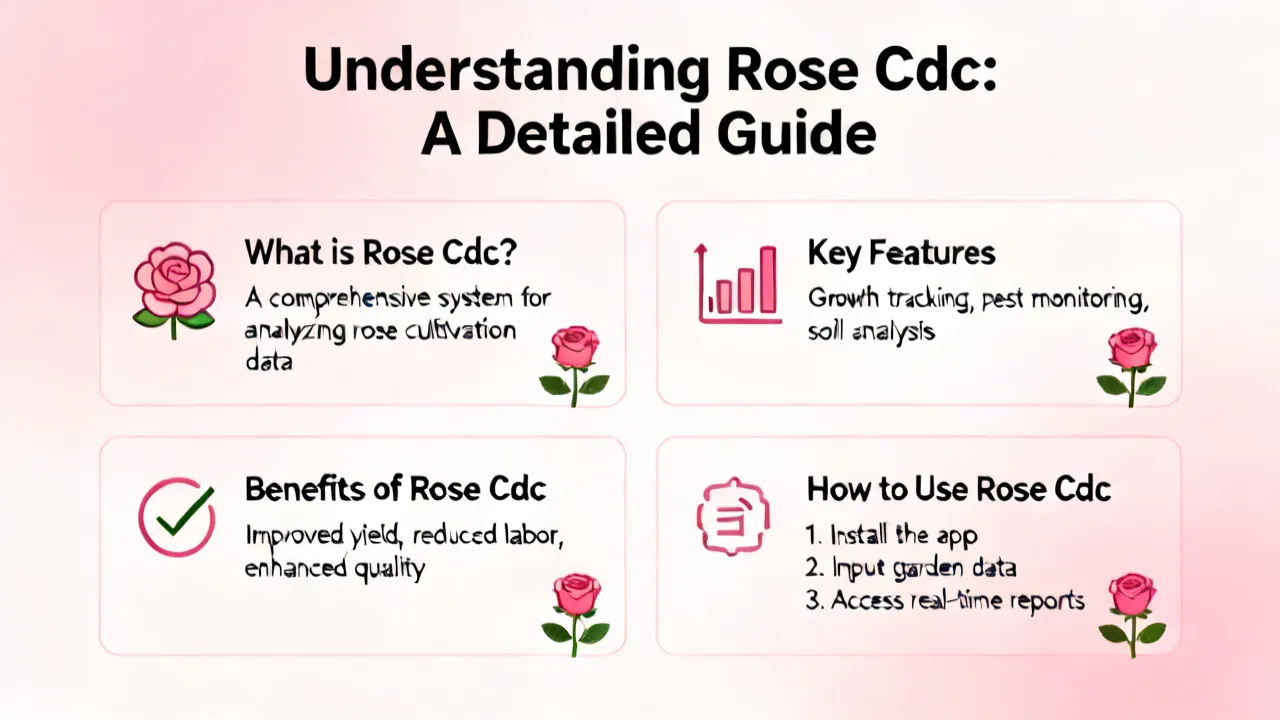
Understanding Rose Cdc: A Comprehensive Guide
This article provides an in-depth exploration of Rose Cdc, a term rapidly gaining attention in specific industries. Our discussion delves into the significance and application of Rose Cdc, its potential impact on various sectors, and expert insights into its future developments. This comprehensive analysis is designed to inform readers about the multifaceted aspects of Rose Cdc, its current applications, and potential advancements.

Understanding Compliance and AML Strategies
This article delves into the intricate realm of Compliance and Anti-Money Laundering (AML) strategies, highlighting their significance in the corporate world. Compliance AML refers to the organizational adherence to legal standards and regulations to deter financial crimes, ensuring transparent and ethical financial practices. This comprehensive guide examines these strategies' complexities and their pivotal role in safeguarding economic integrity.

Mastering Inbound B2B Strategies
The foundation of successful B2B strategies often lies in the effective implementation of inbound marketing techniques. In today's globally connected business environment, inbound B2B strategies have become critical for companies seeking to engage target audiences, optimize lead generation, and establish long-lasting partnerships. Understanding these strategies is essential for companies aiming to thrive in competitive markets.

Exploring B2B MBA Opportunities
Dive into the dynamic world of B2B MBA programs, designed for professionals seeking to enhance their strategic and management skills in a business-to-business context. This comprehensive guide discusses the significance of B2B MBAs in today's market, highlighting how these programs equip leaders with the expertise to navigate complex B2B relationships and drive business success.

Understanding Whitewater Regenerative Blowers
Whitewater Regenerative Blowers are essential in various industrial applications for their efficiency in moving air and gases. These blowers are known for their durability and ability to operate continuously, making them a preferred choice for industries ranging from wastewater treatment to aquaculture. This article explores their features, benefits, and applications, offering readers a comprehensive understanding of their importance in modern industry.

Mastering Employee Retention Strategies
Employee retention has become a critical aspect of organizational success, particularly in the dynamic landscape of 2020. As businesses strive to maintain a stable and productive workforce, understanding effective retention strategies is essential. This article delves into key methods for enhancing employee satisfaction and retention, offering a comprehensive guide for HR professionals and business leaders alike.
