The Equinox Midnight is a Chevrolet Equinox appearance-focused configuration known for its dark exterior styling and compact-SUV practicality. This guide explains how the Midnight treatment differs from standard Equinox trims, what buyers should examine in equipment, comfort, safety, fuel economy, ownership costs, and used-vehicle condition. Because specifications vary by model year, trim, drivetrain, and market, official Chevrolet documentation and vehicle history should guide the final decision.
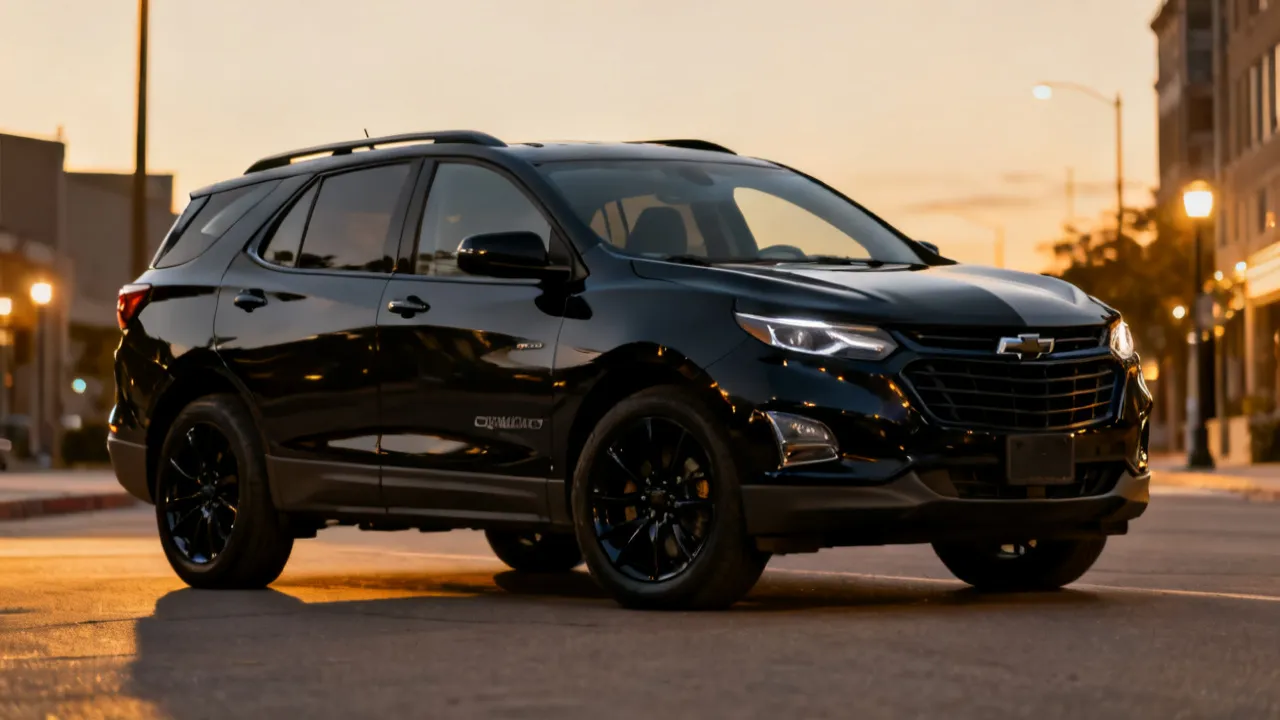
The Equinox Midnight is best understood as a styling-oriented version or package associated with the Chevrolet Equinox compact sport utility vehicle. Rather than representing an entirely separate mechanical model, the Midnight designation has generally emphasized a darker visual theme, often combining black exterior details with selected comfort, convenience, or appearance equipment. Exact content depends on the model year, trim level, drivetrain, production date, and market in which the vehicle was sold.
That distinction matters when comparing vehicles. A buyer may see two Equinox vehicles carrying similar Midnight wording yet discover meaningful differences in engine availability, infotainment technology, driver-assistance features, wheel design, interior materials, or all-wheel-drive configuration. Automotive manufacturers frequently revise package content during a production cycle, and dealer listings may use shorthand that does not fully describe the factory equipment. A vehicle advertised as an Equinox Midnight may also contain dealer-installed accessories that resemble the factory package.
From an industry analyst’s perspective, the main appeal of the Equinox Midnight is its balance between visual identity and everyday usability. It is aimed at drivers who want a more assertive appearance than a conventionally equipped compact SUV but do not necessarily want a high-performance vehicle. The dark treatment can make the Equinox look more cohesive and upscale, while the underlying model retains the practical dimensions, elevated seating position, cargo flexibility, and family-oriented layout associated with the Equinox name.
Potential buyers should therefore evaluate the vehicle in two stages. First, determine whether the Midnight specification offers the desired equipment for the particular model year. Second, assess the individual vehicle as a complete purchase, including mechanical condition, maintenance history, tire wear, accident records, recall status, and total ownership cost. Appearance alone should not decide the transaction. A well-maintained conventional Equinox may be a better purchase than a neglected Midnight vehicle with attractive wheels and dark trim.
The word “Midnight” in automotive trim naming commonly refers to a monochromatic or blacked-out appearance strategy. On an Equinox, this may include dark exterior badging, black grille elements, black mirror accents, dark wheel finishes, and other coordinated details. Some versions may include a contrasting body color, while others use a nearly uniform dark theme. The result is intended to give the vehicle a more contemporary, purposeful, or personalized appearance without changing its basic mission.
These elements are primarily visual. They can change how the vehicle is perceived without fundamentally altering its engine, suspension, or transmission. Buyers should not assume that a Midnight badge automatically indicates more horsepower, sport-tuned handling, upgraded brakes, or enhanced off-road capability. Those attributes must be verified separately through the vehicle’s official specifications. Even when a Midnight version includes larger wheels or a different tire package, that change may influence appearance and road feel more than performance.
Depending on the year, the package may be connected to a specific Equinox trim. In other cases, Midnight equipment may appear as a special edition, dealer-installed accessory grouping, or appearance package. A factory package normally appears on the original window sticker or build record, while dealer-installed accessories may be documented separately. This distinction can affect resale value, warranty interpretation, insurance records, and the accuracy of the vehicle description.
When researching a used example, the identification number is more useful than the seller’s headline. The vehicle identification number can help confirm the model year, assembly information, original configuration, and certain installed options. A buyer should also compare the current vehicle with period-correct brochures and order guides. A black grille or set of dark wheels may have been added after the vehicle left the factory, and such additions are not necessarily a problem, but they should be represented accurately in the transaction.
| Area | What the Midnight designation may influence | What requires separate verification |
|---|---|---|
| Exterior design | Dark badges, grille details, mirror caps, wheels, or trim accents | Exact colors, wheel size, tire specification, and factory status |
| Interior equipment | Potential relationship to a particular trim with additional cabin features | Seat material, heated seating, climate controls, audio system, and storage features |
| Powertrain | Usually linked to the base trim or model-year configuration | Engine, transmission, output, fuel economy, and drivetrain |
| Safety technology | May reflect equipment included with the underlying trim | Exact driver-assistance functions and operating limitations |
| Resale position | Distinctive appearance may attract a specific buyer group | Condition, mileage, service records, market demand, and accident history |
The strongest argument for the Equinox Midnight is often its exterior presentation. Black accents can reduce visual contrast between the grille, window surrounds, wheels, and bodywork, creating a more unified appearance. On lighter paint colors, the dark components create a deliberate two-tone effect. On darker paint colors, the result is more understated and dependent on lighting, surface cleanliness, and the condition of the trim. Buyers should view the vehicle in more than one type of light because a dark appearance can look substantially different in a brightly lit showroom, under a cloudy sky, or at night.
Wheel design plays an especially important role. Dark wheels can make the vehicle appear lower and more planted, but their practical condition deserves close examination. Gloss-black finishes tend to reveal brake dust, road salt, scratches, and curb damage more readily than silver or machined surfaces. A vehicle that looked striking when new may require more frequent cleaning to preserve that appearance. Matte or satin finishes may require different care products, and aggressive polishing can change their appearance permanently.
Exterior inspection should extend beyond the visible styling package. Look for uneven panel gaps, mismatched paint, overspray around wheel arches, hazy headlamp lenses, peeling coatings, and corrosion beneath the doors or liftgate. On a used Equinox Midnight, dark trim can sometimes conceal minor scratches in low light, so the inspection should take place outdoors and, when possible, in daylight. A small flashlight can help reveal dents and paint texture, although it should not be used to create a misleadingly harsh inspection environment.
Roof rails, liftgate operation, windshield condition, and underbody protection also deserve attention. A compact SUV is often used for commuting, school transportation, shopping, and weekend travel. Scratches near the cargo opening may indicate repeated loading, while dents near the lower doors can suggest exposure to crowded parking areas or gravel roads. None of these findings automatically rules out a vehicle, but each should be recorded when assessing its value.
Inspect the door seals and weather stripping as well. A loose seal, damaged liftgate gasket, or improperly installed roof accessory can allow water into the cabin or cargo area. Liftgate alignment should be checked by opening and closing it several times. Listen for unusual motor noise if the vehicle has a powered liftgate, and make sure the emergency release and interior controls function properly.
The Equinox platform has traditionally been positioned around practical daily transportation rather than luxury-car presentation. Its cabin priorities typically include a raised driving position, accessible controls, useful storage, and a rear seating area suitable for routine family use. The Midnight appearance treatment does not by itself determine interior quality, so buyers should evaluate the cabin independently.
Front-seat comfort is important because the Equinox is commonly used for commuting and longer road trips. Adjust the driver’s seat through its full range and confirm that the steering wheel can be positioned comfortably. Test visibility around the hood, rear pillars, and side mirrors. A vehicle can look compact externally yet feel significantly different from another compact SUV because of seat height, dashboard design, and window placement.
Rear-seat evaluation should include legroom, headroom, door opening angles, and the ease of installing child restraints. Families should bring the actual child seats they use, because anchor locations and seat-cushion contours vary. Rear climate vents, charging ports, and cupholders can also affect day-to-day satisfaction, particularly when several passengers regularly share the vehicle. Adults who frequently occupy the rear should sit there for several minutes rather than judging the space from the front seat.
Cargo flexibility is another key consideration. Fold the rear seats, inspect the load floor, and check whether the liftgate opens high enough for the tallest household member. Measure the cargo area if the vehicle will carry strollers, musical instruments, sports equipment, or professional tools. Published cargo figures are useful for comparison, but practical access and shape often matter more than a single volume figure. A wide opening may be more useful than a larger theoretical measurement if the vehicle will carry bulky objects.
Cabin materials should be inspected for wear that corresponds with the odometer reading. Excessive steering-wheel gloss, compressed seat bolsters, worn switch markings, or damaged door handles may indicate intensive use. Conversely, low mileage does not guarantee good condition if the vehicle was exposed to harsh weather, pets, spills, or infrequent maintenance. Examine the carpet beneath floor mats and the area around the spare-tire compartment or underfloor storage for dampness, stains, or mold odors.
Technology varies substantially across Equinox model years. A vehicle marketed as an Equinox Midnight may include a touchscreen infotainment system, smartphone integration, steering-wheel controls, USB ports, or a more advanced audio system, but the exact arrangement should be confirmed by the vehicle identification number and original equipment list.
During a test drive, pair a phone if permitted and assess the responsiveness of the touchscreen, clarity of the backup-camera image, accuracy of physical controls, and reliability of audio connections. Confirm that all speakers work and that the system does not restart unexpectedly. Check navigation availability only if it is genuinely important; many drivers now rely on smartphone-based navigation, while others prefer an integrated system. A system that works while stationary may still have connection or microphone problems during a moving test.
Software and connectivity features can change over time. A feature advertised when the vehicle was new may depend on a subscription, a compatible phone, a functioning network service, or an application that has since been revised. Buyers should distinguish between hardware installed in the vehicle and services that require ongoing activation. Ask whether trial subscriptions have expired and whether a monthly fee is required for remote functions, emergency assistance, or connected navigation.
Do not overlook simpler controls. Climate switches, defroster functions, heated-seat buttons, wiper settings, window controls, and the rear camera should all be tested. An attractive appearance package cannot compensate for a malfunctioning infotainment unit or an expensive electronic repair. Confirm that the display remains visible in bright light and that the backup camera does not show flickering, discoloration, or a distorted image.
The Midnight label should not be treated as a performance designation. The driving character of an Equinox Midnight depends on the engine, transmission, drivetrain, wheel-and-tire combination, vehicle load, and model year. Official Chevrolet specifications are the appropriate source for rated output, towing limits, fuel-economy estimates, and available drivetrain configurations.
On a test drive, the engine should start promptly and settle into a consistent idle. The transmission should engage smoothly when shifting from park to drive or reverse. During acceleration, observe whether gear changes are predictable and whether the vehicle hesitates, shudders, or produces unusual noise. A brief delay may have several possible causes, so it should be documented and inspected rather than dismissed. Do not attempt to reproduce severe symptoms through aggressive driving, particularly on public roads.
Steering should feel consistent, with no excessive vibration or pulling on a level road. Listen for clunks over uneven pavement and humming that changes with vehicle speed. Such sounds can arise from tires, wheel bearings, suspension components, or other systems. A professional inspection is especially valuable before purchasing a used vehicle because a short dealer test drive may not reveal every issue.
All-wheel drive, where available for the particular configuration, can provide additional traction in some conditions, but it does not replace appropriate tires or careful driving. It may also add weight, mechanical complexity, and service requirements. Buyers who live in regions with winter weather should compare tire quality, ground clearance, traction-control behavior, and local road conditions rather than relying on the drivetrain badge alone.
Ride comfort should be assessed over several surfaces. Drive on smooth pavement, patched urban streets, speed humps, and a moderate-speed road if conditions allow. Note whether the suspension absorbs impacts cleanly or transmits sharp jolts into the cabin. Larger or darker appearance wheels may influence ride quality if they use lower-profile tires, so wheel size and tire sidewall should be verified rather than assumed.
Braking should be smooth and predictable. The vehicle should stop in a straight line without steering-wheel shake, grinding, or excessive pedal travel. A faint surface-rust sound after the vehicle has been parked can be normal, but persistent noise or vibration deserves further investigation. If the vehicle is equipped with multiple drive modes, test them only in suitable conditions and consult the owner’s manual to understand what each mode changes.
Fuel economy is determined by the certified configuration, not by the Midnight name. The United States Environmental Protection Agency publishes official estimates for vehicles sold in the United States, while other jurisdictions use their own testing systems. These figures are useful for comparing similarly configured vehicles, but real-world results vary with temperature, speed, traffic, tire pressure, payload, driving style, and maintenance.
When estimating ownership expenses, include more than fuel. A complete budget may contain insurance, registration, scheduled servicing, tires, brakes, unexpected repairs, financing costs, parking, and depreciation. An appearance package can make a vehicle more desirable to a particular buyer, yet it may not produce a matching increase in resale value. The financial effect depends on age, condition, regional demand, and whether the package is documented as factory equipment.
Tires deserve particular attention. A full set of replacement tires can represent a meaningful expense, and the correct specification may vary with wheel size and drivetrain. Inspect tread depth, manufacturing date, sidewall damage, uneven wear, and brand consistency. Uneven wear may indicate alignment problems, worn suspension parts, improper inflation, or a history of impacts. If the vehicle uses a temporary spare, check its condition and expiration guidance as well.
Brake condition should be assessed through pedal feel, stopping behavior, rotor appearance, and service records. Routine wear items are not necessarily evidence of poor ownership, but they should be reflected in the purchase calculation. Ask whether recent work included brake replacement, battery service, fluid changes, or suspension repairs, and request documentation whenever possible. A seller’s claim that a vehicle has been “recently serviced” is more useful when supported by an invoice showing the date, mileage, and work performed.
Safety equipment can differ by model year and trim. Buyers should identify the exact functions present in the vehicle rather than assuming that a package name includes every available driver-assistance feature. Depending on configuration, systems may include forward collision alerts, automatic emergency braking, lane-related warnings, rear parking assistance, blind-zone monitoring, or adaptive cruise functions.
These technologies are designed to support the driver, not to replace observation or judgment. Sensors and cameras may be affected by snow, mud, heavy rain, glare, damaged windshields, or obstructed bumpers. Read the owner’s manual to understand system boundaries, warnings, and methods for cleaning sensor areas. A system that issues frequent false warnings may require calibration or repair, especially after windshield replacement or a front-end collision.
Independent safety evaluations can provide useful context, but results must be matched to the correct model year and body configuration. The Insurance Institute for Highway Safety and the National Highway Traffic Safety Administration publish vehicle-safety information for applicable vehicles in the United States. Their assessment methods and categories can change, so a rating should always be read alongside the test date and detailed result.
Before purchase, check open recalls through the relevant national authority or manufacturer system. A recall does not necessarily mean a vehicle is unsafe to buy; it means a specified issue requires an authorized remedy or verification. The important question is whether the corrective work has been completed and documented. A dealer can often confirm whether a campaign remains open, although buyers should retain written evidence of the result.
Basic safety equipment should also be checked physically. Confirm that seat belts retract properly, airbag warning lights illuminate during the start-up check and then go out as expected, headlamps operate on all settings, and the hazard lights function. If a vehicle has been repaired after a collision, ask whether restraint-system components were replaced with approved parts.
A careful inspection should follow a repeatable process. Begin with documentation, then examine the exterior, cabin, mechanical systems, road behavior, and post-drive condition. This approach helps prevent a visually appealing vehicle from receiving disproportionate attention simply because its dark styling is distinctive.
Bring a written checklist and avoid rushing because of a limited-time sales claim. If the seller refuses a cold start, independent inspection, or reasonable documentation request, treat that refusal as relevant information. A trustworthy seller should understand that a compact SUV is a substantial purchase and that a buyer needs time to verify the vehicle.
Used compact SUVs often show ordinary wear from commuting, family use, weather, and frequent parking. The significance of a finding depends on severity, repair cost, and whether it reflects a larger pattern. A small door ding is different from structural damage. A worn tire is different from a recurring alignment problem.
| Finding | Possible significance | Recommended action |
|---|---|---|
| Scratched black wheels | May indicate curb contact and can affect appearance or wheel integrity | Inspect for bends, air loss, vibration, and repair quality |
| Uneven tire wear | May point to alignment, suspension, inflation, or impact issues | Obtain tread measurements and a professional chassis inspection |
| Warning light | Could involve emissions, safety, drivetrain, or electronic systems | Scan diagnostic codes and do not rely solely on dashboard reset |
| Water in the cargo area | May result from seals, liftgate alignment, roof equipment, or drainage issues | Locate the source and confirm that carpeting and electronics are dry |
| Delayed transmission engagement | May indicate fluid, software, hydraulic, or mechanical concerns | Request a qualified transmission evaluation before purchase |
| Inconsistent panel color | May indicate prior repair or replacement | Use paint-depth testing and review accident documentation |
Flood exposure deserves special attention. Musty odors, corroded connectors, unexplained electrical faults, damp carpeting, and sediment in hidden areas may indicate water intrusion. These symptoms can appear long after the original event. A history report may identify flood branding, but a careful physical examination remains essential.
After the test drive, inspect the ground beneath the vehicle for fresh fluid drops. Look for oil around the engine, coolant residue, transmission-fluid evidence, and damp areas near the drivetrain. Some small traces may result from an old spill, while active leakage requires diagnosis. Do not crawl beneath a vehicle unless it is safely supported; an independent shop has the appropriate equipment for an underside inspection.
One of the most important purchasing decisions is whether the buyer values appearance more than additional equipment. A Midnight version may look more distinctive than a standard Equinox, but another trim could offer features that matter more in daily use, such as upgraded seating, a larger display, additional driver assistance, improved audio, or convenience functions.
Make a written priority list before visiting a dealer or private seller. Divide features into three categories: essential, desirable, and cosmetic. Essential items might include all-wheel drive, rear-seat compatibility, heated seating, or a specific safety system. Desirable items could include premium audio or a power liftgate. Cosmetic preferences may include black wheels, dark badges, or a particular paint color.
This method reduces the risk of paying extra for styling while overlooking maintenance history or equipment that has greater practical value. It also makes comparisons more objective when the Midnight appearance is being offered through a dealer-installed accessory package rather than a factory configuration.
Consider how long the vehicle is likely to be owned. If the owner plans to keep it for many years, daily satisfaction with the appearance may justify some additional cost, provided the core equipment is suitable. If the owner expects to sell or trade it soon, factory documentation, mileage, condition, and market demand may matter more than a personalized appearance treatment.
Dealer purchases may offer broader documentation, financing options, trade-in arrangements, and access to certified inspection programs, depending on the retailer and jurisdiction. They can also involve additional fees, optional products, and pricing structures that make direct comparison difficult. Request an itemized purchase worksheet showing the vehicle price, taxes, registration, documentation charges, accessories, financing costs, and any protection products.
Private-party transactions may provide a different price structure but require stronger buyer diligence. Confirm ownership, check that the identification number matches all records, and use a secure process for payment and title transfer. A neutral inspection location is preferable. Do not treat a clean appearance or a detailed seller description as a substitute for records and mechanical evaluation.
In either setting, ask specific questions. How long has the seller owned the vehicle? Where was it serviced? Has it been used for towing, commercial work, or harsh-road travel? Are there two functioning keys? Have any warning lights appeared recently? Are there outstanding finance obligations? Clear answers, supported by documents, are more valuable than general assurances.
Buyers should be cautious about vehicles that have been modified in ways that affect safety or reliability. Non-factory lighting, suspension changes, oversized wheels, window tint that violates local law, or aftermarket electrical accessories may not be part of the Midnight package. Modifications are not automatically unacceptable, but they should be inspected and documented before purchase.
Negotiation should be based on verifiable conditions rather than broad claims about the Midnight name. Comparable vehicles should be matched by model year, mileage, drivetrain, service history, accident record, ownership history, and equipment. A vehicle with documented maintenance and strong tires may justify a different price from one with missing records and immediate repair needs, even if both carry the same appearance designation.
Prepare a written list of observed issues and estimated remedies. Items such as worn tires, cracked glass, overdue maintenance, damaged wheels, or incomplete recall work can support a request for correction or price adjustment. Keep cosmetic preferences separate from safety and mechanical concerns. A buyer may reasonably accept minor trim wear if the vehicle is mechanically sound, while a glossy exterior should not distract from a serious drivetrain issue.
Review the final paperwork carefully. Confirm the vehicle identification number, mileage, agreed equipment, warranty terms, return provisions where applicable, and any disclosures concerning prior damage. If an accessory is described as factory equipment, ask for documentation. If a service contract is offered, read its exclusions, claim process, deductible, and term rather than judging it by the sales presentation.
Financing should be evaluated independently from the vehicle price. A lower monthly payment can result from a longer loan term and may increase the total amount paid. Obtain outside financing information when possible, compare annual percentage rates, and calculate the full cost over the expected ownership period. The same discipline applies to insurance quotes, particularly when dark wheels, specialty trim, or expensive electronic equipment could influence repair costs.
Dark exterior finishes can look elegant but often demand attentive care. Dust, water spotting, pollen, and light scratches may be more visible than on mid-tone paint. Washing with clean materials, drying promptly, and avoiding abrasive products can help preserve the finish. Automatic washing methods vary, so owners should consider whether brushes or contaminated cloths may introduce fine marks.
Black trim should be checked periodically for fading, peeling, or chemical staining. Road salt and winter grime can accumulate around wheel arches, rocker panels, and underbody areas. Rinsing these locations is useful in regions where de-icing materials are common. Local climate matters: coastal air, intense sunlight, freezing temperatures, and heavy rainfall can affect exterior materials differently.
Wheel maintenance is equally important. Brake dust should not be allowed to remain on the finish for extended periods, particularly when the wheels are hot. Use products suitable for the wheel coating and follow the manufacturer’s instructions. Tire pressure should be checked using the specification on the vehicle label, not a generalized number based only on tire appearance.
Owners should also keep records of cosmetic repairs. A professionally refinished wheel or repaired bumper may be perfectly serviceable, but documentation helps explain the work to a future buyer. Avoid applying unapproved coatings or aggressive chemicals to sensors, camera lenses, grille elements, or exterior plastic. Appearance products that work on painted panels may damage textured trim or interfere with sensor operation.
The compact-SUV segment includes vehicles with different strengths: some emphasize fuel efficiency, others prioritize cabin space, driving dynamics, technology, hybrid operation, or off-pavement capability. The Equinox Midnight occupies a practical middle ground for buyers who want a familiar compact-SUV format with a more expressive exterior.
Its relevant competitors depend on the model year and market. Comparison candidates may include other mainstream compact crossovers offering front-wheel drive or all-wheel drive, two-row seating, touchscreen connectivity, and advanced safety systems. The correct comparison is not simply the vehicle with the closest advertised price. It should include fuel requirements, insurance, tire costs, warranty coverage, cargo usefulness, rear-seat comfort, and the availability of qualified service.
An expert comparison should use the same evaluation questions for every candidate:
A competitor with a less dramatic appearance may offer better fuel economy or stronger resale demand, while another may provide more rear-seat room or a hybrid powertrain. The best choice is therefore dependent on priorities. The Midnight version can be attractive as a design statement, but its overall value must be considered alongside the practical strengths and weaknesses of the entire Equinox configuration.
Reliable research is particularly important because package names are often used inconsistently in online listings. The most dependable starting point is the manufacturer’s documentation for the exact model year. Original brochures, order guides, window stickers, owner’s manuals, and technical service information can clarify equipment and operating requirements.
For fuel-economy comparisons in the United States, consult the Environmental Protection Agency’s official vehicle-rating database. For crash-test and safety information, use the National Highway Traffic Safety Administration and the Insurance Institute for Highway Safety, matching results to the correct year and configuration. For recall information, use the relevant government vehicle-safety authority or the manufacturer’s official recall process.
Independent vehicle-history reports can provide useful leads regarding title branding, reported collisions, mileage entries, and registration history. They should not be treated as a complete record because not every repair or incident is reported. A history report works best when combined with a physical inspection, diagnostic scan, and review of service invoices.
When online specifications conflict, prioritize the original vehicle documentation and confirm details with a Chevrolet retailer or qualified technician. Avoid relying on a single marketplace listing, especially when the listing uses broad phrases such as “fully loaded,” “special edition,” or “Midnight package” without an equipment breakdown. Save copies of relevant documents because online listings can change or disappear after a vehicle is sold.
Model-year research should also account for midcycle changes. Manufacturers may revise standard equipment, discontinue an option, change a wheel design, update an infotainment system, or alter the availability of all-wheel drive without changing the general marketing name. Production timing can create vehicles that appear nearly identical but contain different software, safety features, or interior appointments.
A sound purchase decision requires several conditions to be satisfied. The exact requirements vary by buyer and jurisdiction, but the following baseline protects against common errors:
These conditions are not intended to make a transaction unnecessarily complicated. They create a practical filter that separates a well-documented vehicle from one whose appearance is doing too much of the selling. If a vehicle satisfies the mechanical and documentary requirements, minor cosmetic imperfections can often be evaluated rationally. If it fails those basic requirements, a striking appearance should not rescue the deal.
Usually, the Equinox Midnight refers to an appearance-focused configuration, special edition, or package associated with a particular Equinox trim and model year. It is not automatically a separate mechanical model. Buyers should verify the exact factory description for the vehicle being considered.
Not necessarily. The Midnight designation generally describes styling or package content rather than engine performance. Power output, transmission, drivetrain, and fuel economy must be confirmed for the specific model year and configuration.
No assumption should be made based on the name alone. Drivetrain availability can vary by year, trim, market, and production configuration. Check the identification number, window sticker, drivetrain controls, and official specifications.
They can require more visible maintenance because brake dust, water marks, scratches, and curb damage may stand out. Appropriate washing products, correct tire pressure, and prompt removal of road contamination can help preserve their appearance.
It may be suitable for families that need a two-row compact SUV, but suitability depends on rear-seat space, child-seat installation, cargo requirements, safety equipment, and the age and condition of the individual vehicle. A practical test with passengers and cargo is more informative than appearance alone.
Compare the vehicle identification number with the original window sticker, build record, factory brochure, or manufacturer database. Inspect whether the styling elements appear factory integrated. Ask the seller to distinguish factory-installed equipment from dealer-installed accessories.
Start with the identification number, title, service records, and recall status. Then inspect tires, wheels, body repairs, warning lights, fluid leaks, transmission behavior, brakes, suspension, and electronic systems. An independent inspection should follow the initial review.
It may influence buyer interest, but resale value is driven by many factors, including mileage, condition, maintenance, accident history, market demand, drivetrain, equipment, and documentation. The Midnight appearance may appeal to a particular audience, but it does not guarantee a premium.
Yes. Compare the actual equipment and total cost rather than focusing only on the package name. A different trim may offer features that are more valuable for your driving needs, while the Midnight version may be preferable if appearance and the associated equipment are priorities.
Use official Chevrolet model-year documentation, the original vehicle window sticker, the owner’s manual, and government fuel-economy or safety databases where applicable. A qualified Chevrolet service department can also help confirm configuration-specific details.
The package name alone does not establish a towing rating. Towing capability depends on the engine, transmission, drivetrain, cooling equipment, factory towing provisions, tires, and the manufacturer’s rating for that exact configuration. Buyers should verify the official limit and account for trailer brakes, payload, passengers, and local regulations.
That depends on the quality and documentation of the work. Aftermarket wheels, badges, grilles, or trim may provide a similar appearance, but they do not make the vehicle a factory Midnight configuration. Confirm that the parts are properly fitted, do not interfere with sensors, and are reflected accurately in the purchase agreement.
The Equinox Midnight is compelling when its visual treatment complements a well-equipped, well-maintained Equinox that fits the buyer’s practical needs. Its dark accents can provide a distinctive appearance without requiring a performance-oriented vehicle or a major change in driving habits. For many drivers, that combination of recognizable styling and everyday usability is the central attraction.
The strongest purchase strategy is disciplined rather than impulsive. Confirm the model year and package contents, compare essential features, inspect the individual vehicle, review authoritative safety and fuel-economy information, and calculate the complete ownership budget. A clean exterior and appealing wheel design are valuable parts of the experience, but they should remain one component of a broader evaluation.
For a new vehicle, request a detailed equipment list and itemized price before signing. For a used Equinox Midnight, prioritize maintenance records, tire and brake condition, accident history, recall completion, and an independent mechanical inspection. When those factors align with the buyer’s intended use, the Midnight configuration can be a sensible choice within the compact-SUV market.
Its strongest appeal is its clarity of purpose. The package gives buyers a way to select a more assertive visual identity while retaining the familiar proportions and usability of the Equinox. It is not intended to transform the vehicle into a sports crossover, luxury vehicle, or dedicated off-road machine. Understanding that limitation helps buyers form realistic expectations and compare it fairly with alternatives.
The Equinox Midnight represents a styling-led approach to the Chevrolet Equinox: darker exterior details, a coordinated visual theme, and the practical format of a compact SUV. Its precise features are not universal, so responsible research must begin with the exact model year and vehicle identification number. Buyers who combine official documentation with a careful inspection will be better positioned to determine whether the appearance package adds meaningful value to their driving experience.
Ultimately, the best Equinox Midnight is not merely the one with the most striking finish. It is the one whose equipment, condition, service history, operating costs, and safety features match the owner’s real requirements. The right example should be comfortable for daily use, appropriately equipped for local conditions, supported by credible records, and priced fairly against comparable vehicles.
Striking the Perfect Balance: Navigating Premiums and Out-of-Pocket Expenses in Senior Insurance Plans

Explore the Tranquil Bliss of Idyllic Rural Retreats

How to Make Lasting Memories at Disneyland Attractions

Affordable Phones and Plans for Seniors

Affordable Full Mouth Dental Implants Near You

Unlock the Top Kept Secrets to Finding Your Ideal Dentist for Flawless Dental Implant Results!

Discovering Springdale Estates

Unveiling RS Sul Telecom Services

The Guide to Car Trading

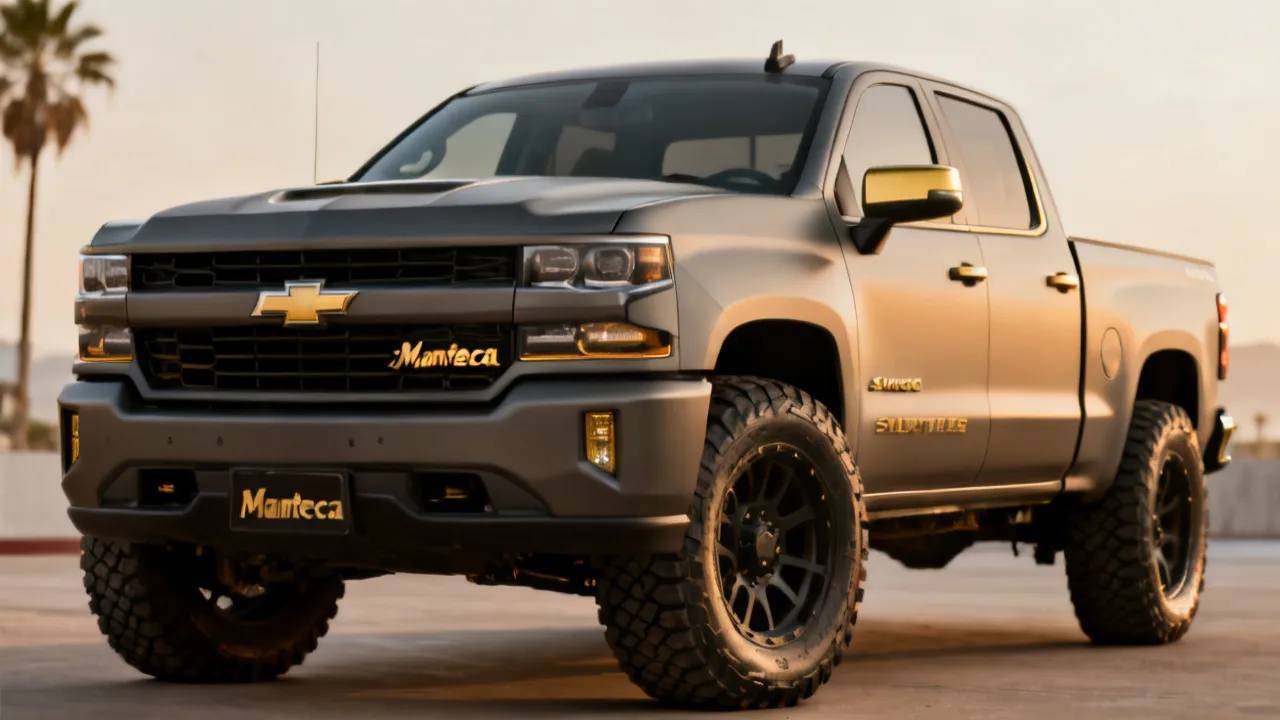
Chevy Silverado Manteca Edition: What to Know Before Buying
This guide explains the Chevy Silverado Manteca Edition and helps buyers evaluate how the “Manteca” styling and package approach cost, availability, and suitability. Objectively, the Silverado line is built for work-ready capability and broad trim customization, so edition-specific features typically target appearance, convenience, and select hardware. Use the comparison and checklist to match your needs.
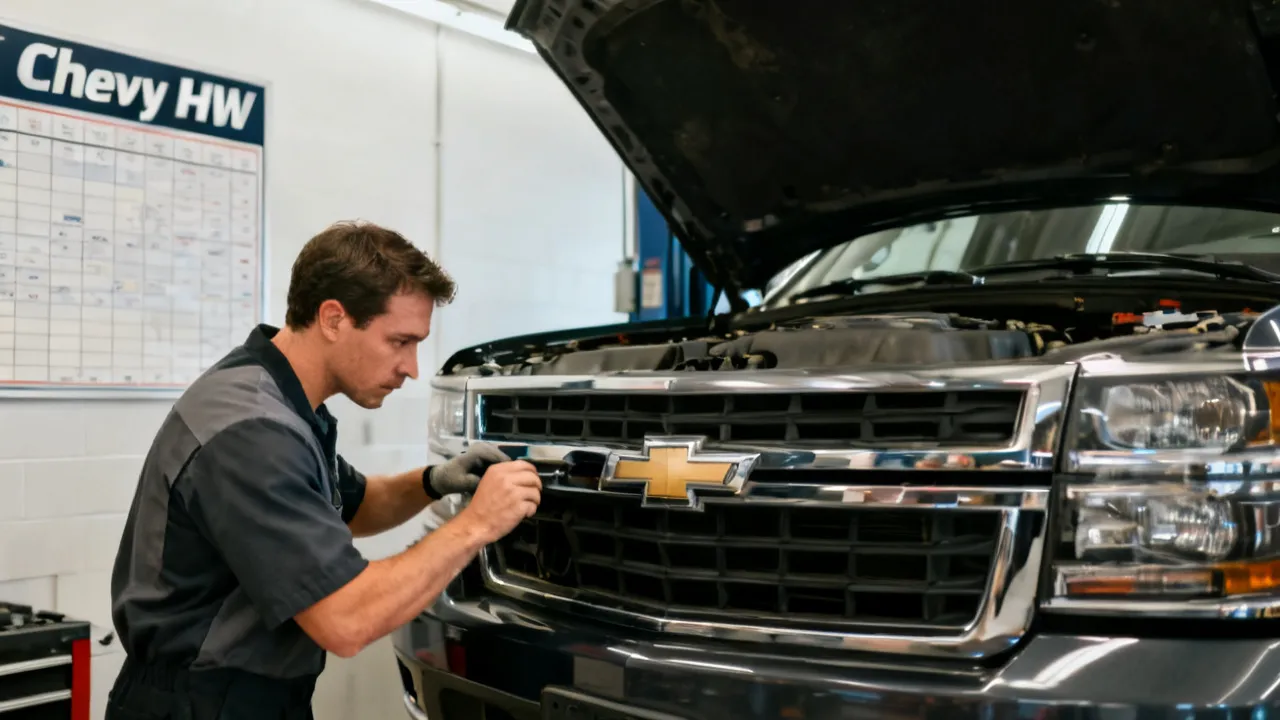
Understanding Chevy HW: Buying, Pricing, and Sourcing
This guide explains Chevy HW options, typical pricing drivers, and how to source reliably. “Chevy HW” is commonly used as a shorthand in automotive communities for a Chevrolet-related hardware or parts setup, often discussed alongside compatibility, condition, and supplier reliability. You’ll find an objective framework for evaluating offers, choosing suppliers, and confirming fitment before purchase.
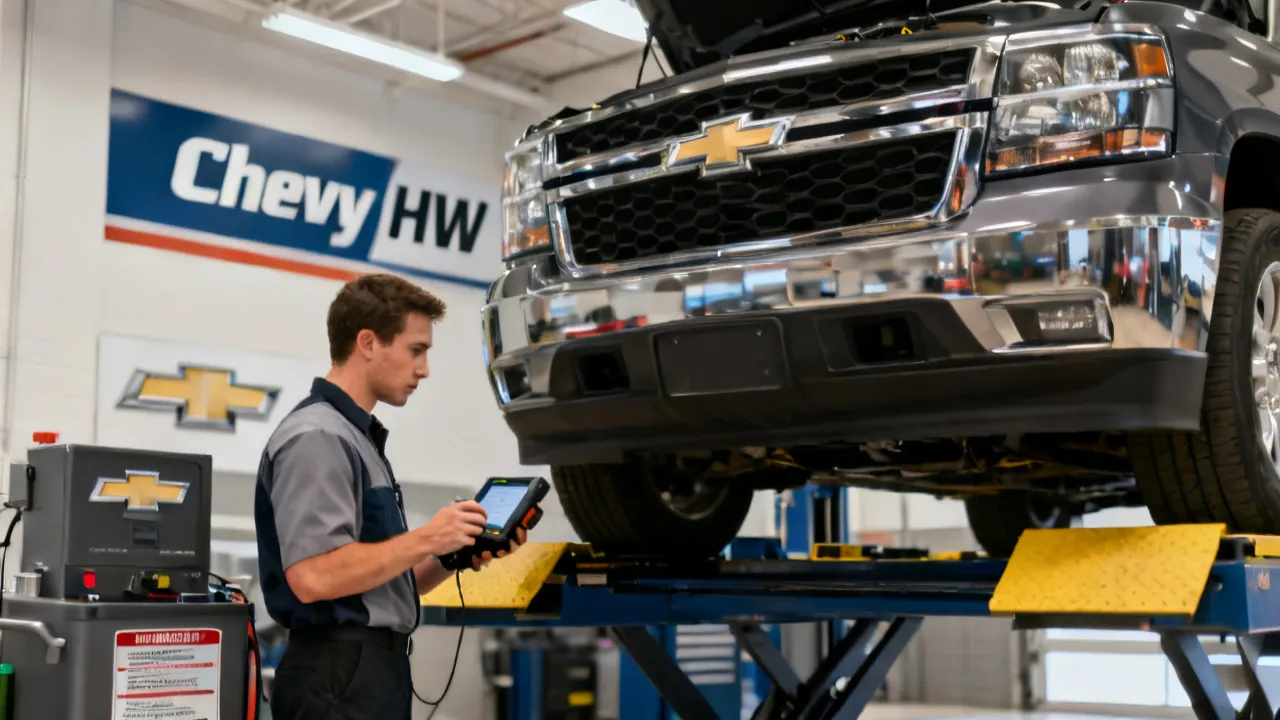
A Practical Guide to Chevy HW Selection
This guide explains how to evaluate “Chevy HW” options for durability, parts compatibility, and service outcomes. “Chevy HW” is commonly used as a shorthand term in the market to describe certain Chevrolet hardware and related components or kits. Objectively, buyers should prioritize fitment, documentation, and reputable supply chains before comparing price.
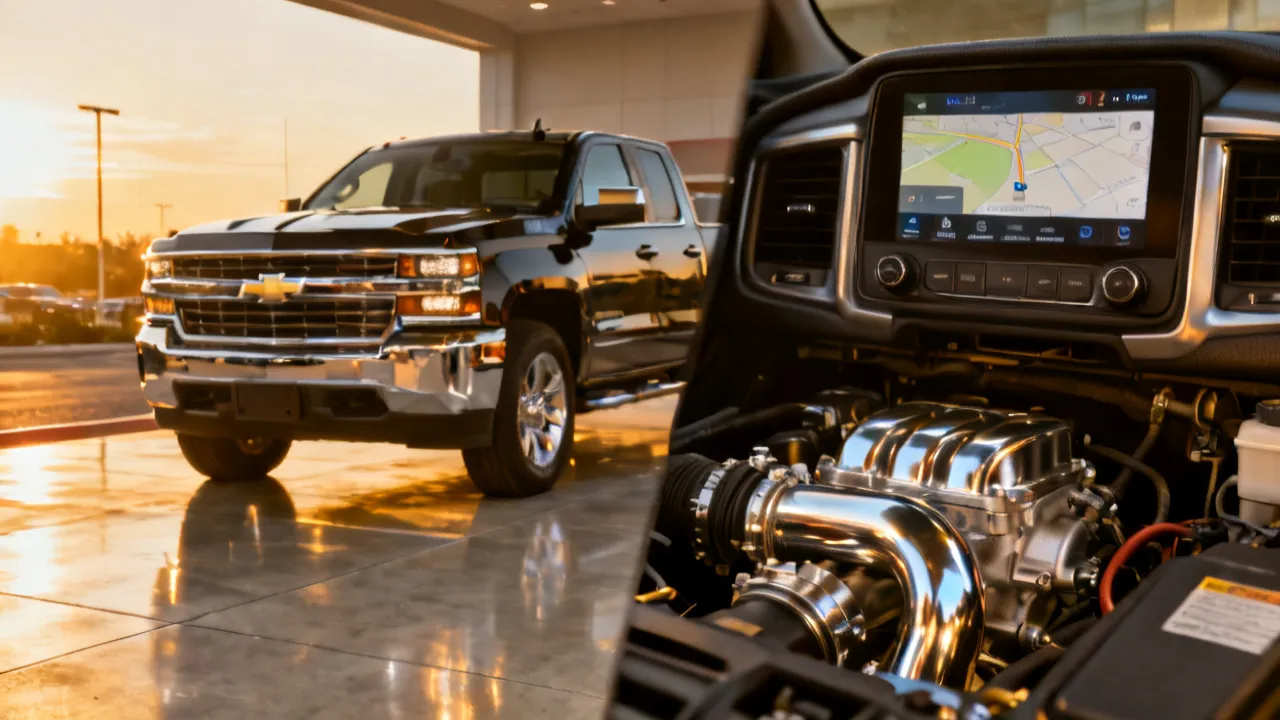
Chevy HW Guide: Pricing, Suppliers, and Buying Checklist
This guide explains what to evaluate when searching for Chevy HW options, including typical price ranges, supplier considerations, and practical buying conditions. Background context is provided on how “Chevy HW” is commonly used in the market, why sourcing matters, and what due diligence helps buyers avoid mismatches.
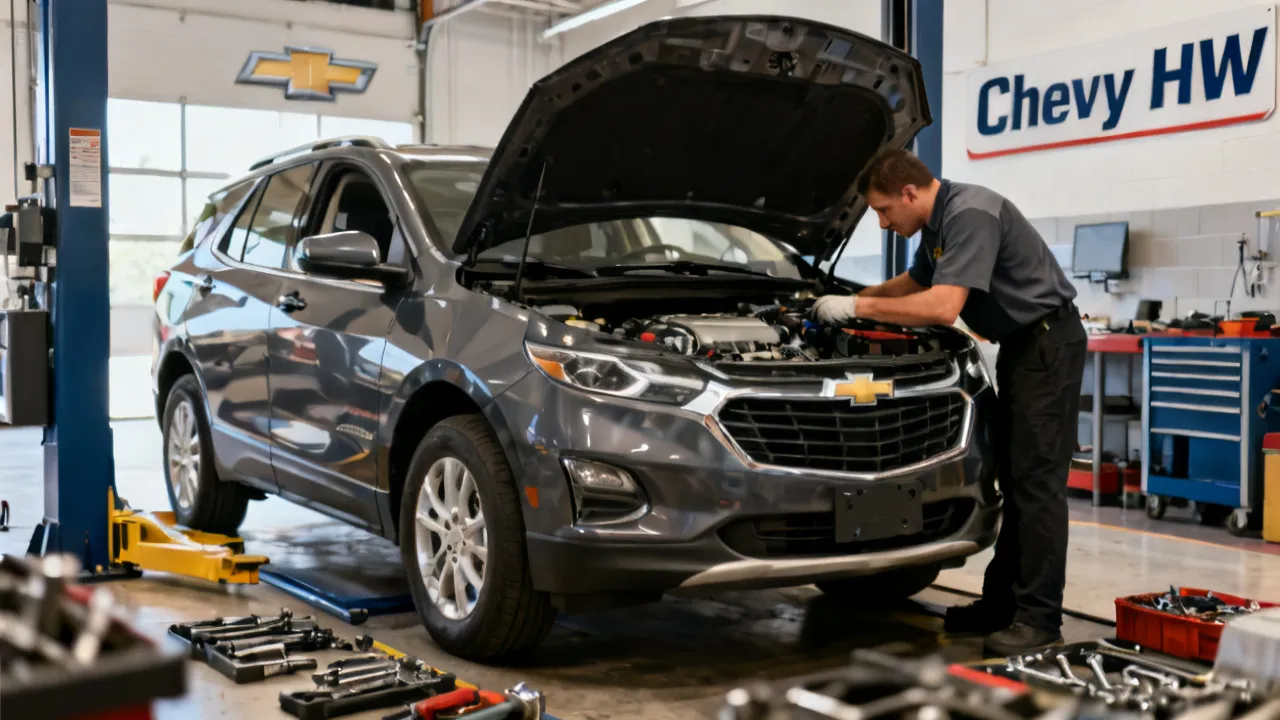
Understanding Chevy HW: Options, Sourcing, and Buying Guide
This guide explains how to evaluate Chevy HW options responsibly, focusing on fit, sourcing, and realistic total cost rather than hype. Background context clarifies what “Chevy HW” commonly refers to in enthusiast and parts circles, why compatibility matters, and how supplier credibility affects outcomes—helping readers ask the right questions before selecting parts or services.

Buying and Sourcing the Cruze 2017 Wisely
This guide helps you evaluate the Cruze 2017 with a buyer’s mindset—focusing on condition checks, sourcing decisions, and ownership considerations. Objectively, “Cruze 2017” typically refers to the 2017 Chevrolet Cruze model, while “sourcing” covers how buyers compare listings from dealers or private sellers. You’ll also find criteria and requirements to reduce procurement risk.