Heuvel & Bondarouk's 2016 work highlights significant advancements in the field of Human Resource Management (HRM) and its digitalization. The paper delves into the evolving role of technology in HR practices, emphasizing the integration of information systems. The study serves as a cornerstone for understanding how digital tools reshape HR functions, offering a comprehensive analysis for scholars and practitioners.

In the contemporary landscape of Human Resource Management (HRM), Heuvel & Bondarouk's 2016 publication stands out as a seminal work. It critically explores the intersection of technology and HRM, illuminating the nuances of integrating information systems within traditional HR practices. This article provides an in-depth analysis of their study, highlighting its impact and relevance in today's digital-driven HR environment. As HR professionals grapple with the increasing demands of a digitally literate workforce, the insights presented by Heuvel & Bondarouk provide valuable perspectives on how to navigate this paradigm shift.
Digital transformation in HRM is no longer a futuristic concept; it is an unfolding present-day reality. The research by Heuvel & Bondarouk offers an analytical framework for understanding how HR departments can leverage technology—specifically information systems—to enhance operational efficiency and strategic implementation. Their work underscores the necessity for HR professionals to adopt a tech-savvy approach, facilitating a smoother transition into the digital age. This transformation is not merely about adopting new tools but also involves rethinking organizational structures, processes, and interactions within the workforce. The importance of embracing technology in HRM encompasses several factors, including improving employee experience, optimizing workflow, and aligning HR practices with broader business objectives.
The primary focus of Heuvel & Bondarouk's research is on the adaptability of information systems in HR. They delve into how these systems can be utilized to streamline operations such as recruitment, onboarding, performance evaluation, and employee engagement. The authors emphasize that technology should not merely support existing processes but rather transform them, providing a competitive advantage in attracting and retaining talent. In their study, they outline various dimensions in which technology can enhance HR functions, including:
Overall, Heuvel & Bondarouk's emphasis on transformation reflects a pivotal shift in the HR landscape, where strategies driven by data and enhanced by technology can lead to significant operational advantages.
HR Information Systems (HRIS) play a pivotal role in the modernization of HR practices. According to Heuvel & Bondarouk, HRIS can redefine how data is collected, managed, and analyzed, thus making processes more transparent and accessible. This ability to harness detailed analytics allows for better decision-making and strategic planning. The evolution of HRIS reflects a movement towards a more data-centric approach to managing human resources. Key functionalities of HRIS include:
As Heuvel & Bondarouk highlight, leveraging the capabilities of HRIS not only streamlines HR processes but also supports strategic initiatives that can drive overall business performance.
While the integration of technology offers numerous benefits, it also presents certain challenges. Heuvel & Bondarouk address potential obstacles such as resistance to change, data security concerns, and the need for continuous professional development. They propose that overcoming these challenges requires a well-structured change management approach and investment in training initiatives. Specific challenges faced by HR when integrating new technologies include:
Despite these challenges, Heuvel & Bondarouk convey a message of optimism, suggesting that strategic planning, effective leadership, and a commitment to professional development will lead to successful technology integration in HRM. The opportunities presented by modern technologies can redefine HR's role within organizations, transforming it from a support function to a key strategic partner that drives organizational success.
| Traditional HR Practices | Technological Integration |
|---|---|
| Manual data entry and record-keeping | Automated data management through HRIS, enabling real-time updates and accuracy |
| Face-to-face performance reviews conducted once a year | Digital performance tracking and feedback systems allowing for ongoing performance assessments and development |
| Time-consuming recruitment processes reliant on manual screening | Efficient e-recruitment platforms that utilize AI for candidate matching and sourcing |
| Employees often disconnected from HR functionalities | Employee self-service portals that enhance accessibility to HR tools and resources |
The comparison of traditional HR practices with those enhanced through technological integration reveals significant advancements in efficiency, employee engagement, and overall productivity. Heuvel & Bondarouk's analysis provides a compelling case for moving towards technologically integrated HR practices to better meet the demands of modern work environments.
Q1: What is the main focus of Heuvel & Bondarouk's study?
A1: The study primarily focuses on the integration of information systems within HR practices, exploring how technology can transform and enhance HR functions.
Q2: How do HR Information Systems benefit organizations?
A2: HRIS benefits organizations by automating data processes, improving transparency, enabling detailed analytics, and facilitating better decision-making and strategic planning.
Q3: What challenges are associated with integrating technology into HRM?
A3: Challenges include resistance to change, data security concerns, and the need for continuous training and professional development for HR professionals.
Q4: How can companies effectively manage change when implementing new HR technologies?
A4: Companies can effectively manage change by adopting a structured change management process, clearly communicating the benefits of the new technology, engaging employees in the transition process, and providing adequate training and support throughout the implementation phase.
Q5: What impact does technology have on employee engagement?
A5: Technology, when utilized effectively, enhances employee engagement by providing tools for real-time communication, transparent performance management, and opportunities for continuous feedback, thereby fostering a culture of collaboration and openness within organizations.
Heuvel & Bondarouk's 2016 research provides a crucial roadmap for the future of HRM. By highlighting the profound impacts of technology on HR practices, their work encourages continuous innovation and adaptation in the field. As organizations navigate the complexities of digital transformation, this study remains an essential guide for both scholars and practitioners seeking to harness the full potential of technology in HR. The dialogue sparked by their findings stresses that HR's evolution is necessary to meet the expectations of a modern workforce that seeks flexibility, transparency, and engagement in all aspects of their employment journey. Therefore, investing in technology not only equips HR departments with essential tools but also ultimately transforms the employee experience into one that is dynamic, integrated, and designed to support continuous growth and learning.
Striking the Perfect Balance: Navigating Premiums and Out-of-Pocket Expenses in Senior Insurance Plans

Explore the Tranquil Bliss of Idyllic Rural Retreats

How to Make Lasting Memories at Disneyland Attractions

Affordable Phones and Plans for Seniors

Affordable Full Mouth Dental Implants Near You

Unlock the Top Kept Secrets to Finding Your Ideal Dentist for Flawless Dental Implant Results!

Discovering Springdale Estates

Unveiling RS Sul Telecom Services

The Guide to Car Trading


Exploring the Retipster Club Advantage
The Retipster Club is an invaluable resource for real estate investors, offering a plethora of insights, tools, and community support to boost investing endeavors. Aimed at helping both novice and seasoned investors, the club provides educational materials, success stories, and expert strategies tailored to the ever-evolving real estate market landscape. Dive into this analysis to understand the manifold benefits the Retipster Club offers to enhance real estate success.

Navigating the Retipster Club
This article delves into the unique offerings of the Retipster Club, a community designed for individuals interested in real estate investment, providing educational resources and networking opportunities. Discover how the club supports its members through expert advice, comprehensive guides, and a robust community platform, all tailored to foster insightful and profitable investment strategies.
Unveiling Grunig & Hunt's PR Models
This article explores the seminal work of Grunig & Hunt in developing models of public relations. The Grunig & Hunt models, fundamental to understanding PR theory, provide insight into the strategic approaches and methodologies utilized in the field. Each model offers a distinctive perspective on communication and engagement strategies, relevant to both academic discussions and practical applications.
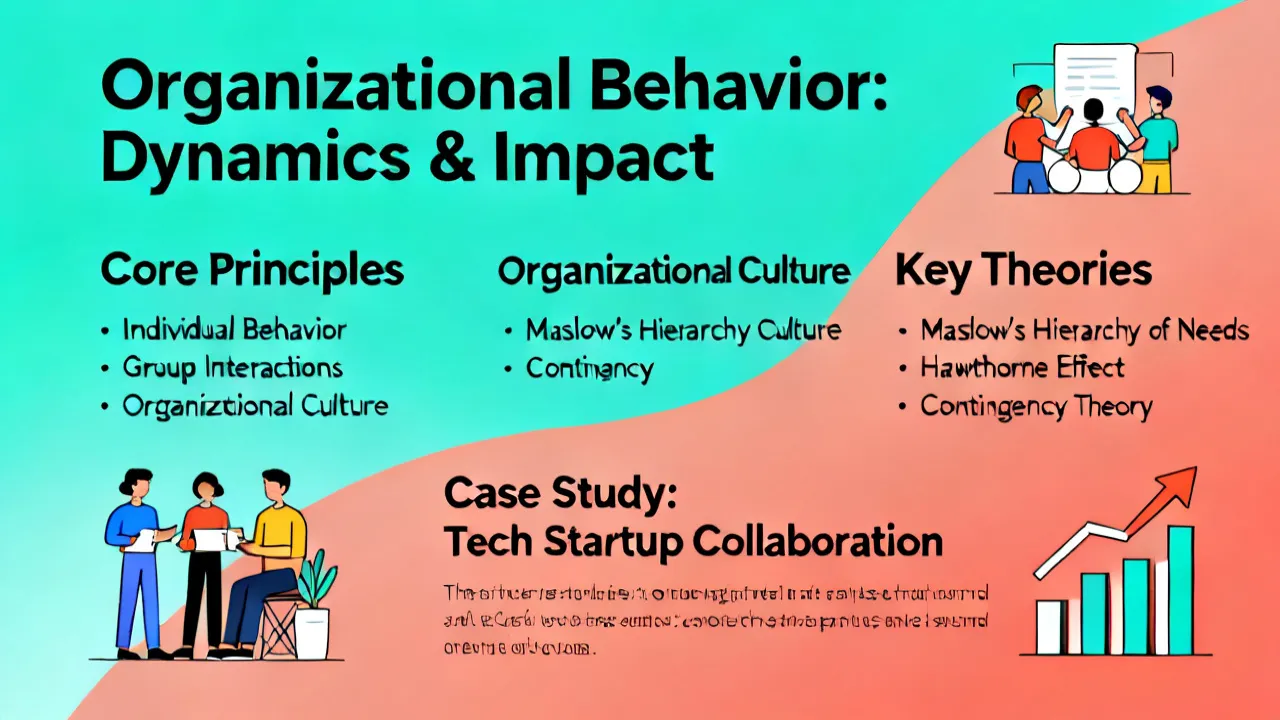
Understanding Organisational Behaviour Slideshare
This article delves into the significance of Organisational Behaviour Slideshare for both educators and professionals. Organisational Behavior is a field that examines the impact individuals, groups, and structures have on behavior within organizations, aiming to improve an organization's effectiveness. With Slideshare's platform, these insights are easily shared, promoting a collaborative learning environment.
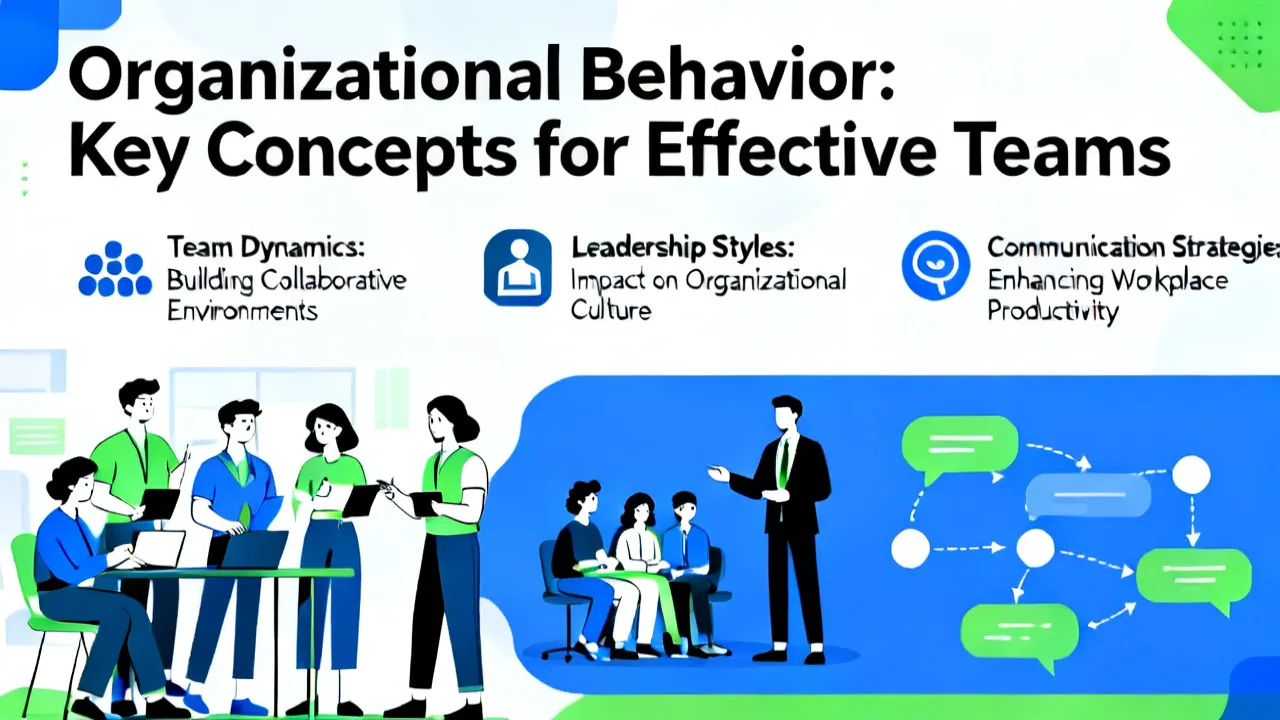
Mastering Organisational Behaviour Dynamics
This guide explores the intricacies of Organisational Behaviour through Slideshare resources. It delves into the study of how people act within groups and organizations, offering insights into the psychological and sociological factors that influence workplace dynamics. This comprehensive analysis examines theories and practices to enhance understanding and improve corporate environments, supported with FAQs and expert perspectives.
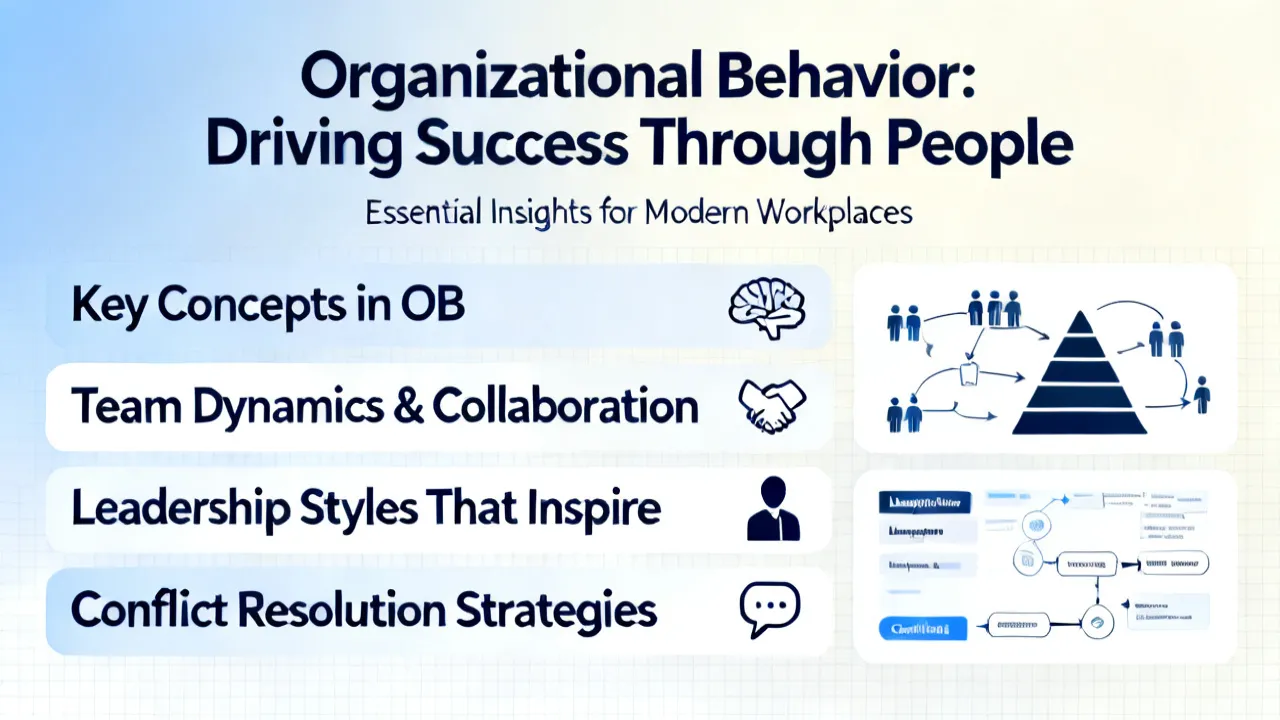
Mastering Organizational Behavior
This comprehensive guide explores the significance of organizational behavior within corporate settings, providing a deep dive into theories and practical applications as depicted on popular platforms like Slideshare. Organizational behavior studies the impact of individuals, groups, and structures on behavior within organizations to improve an organization's effectiveness.