This article delves into the findings of Heuvel & Bondarouk (2016) on the intersection of digital transformation and human resource management. This exploration provides an expert analysis of how digitization affects workplace dynamics and the strategic role HR must play in this transformation. It evaluates research methodologies and draws connections between technology and employee engagement, offering a detailed understanding for modern businesses aiming to leverage these insights for organizational growth.
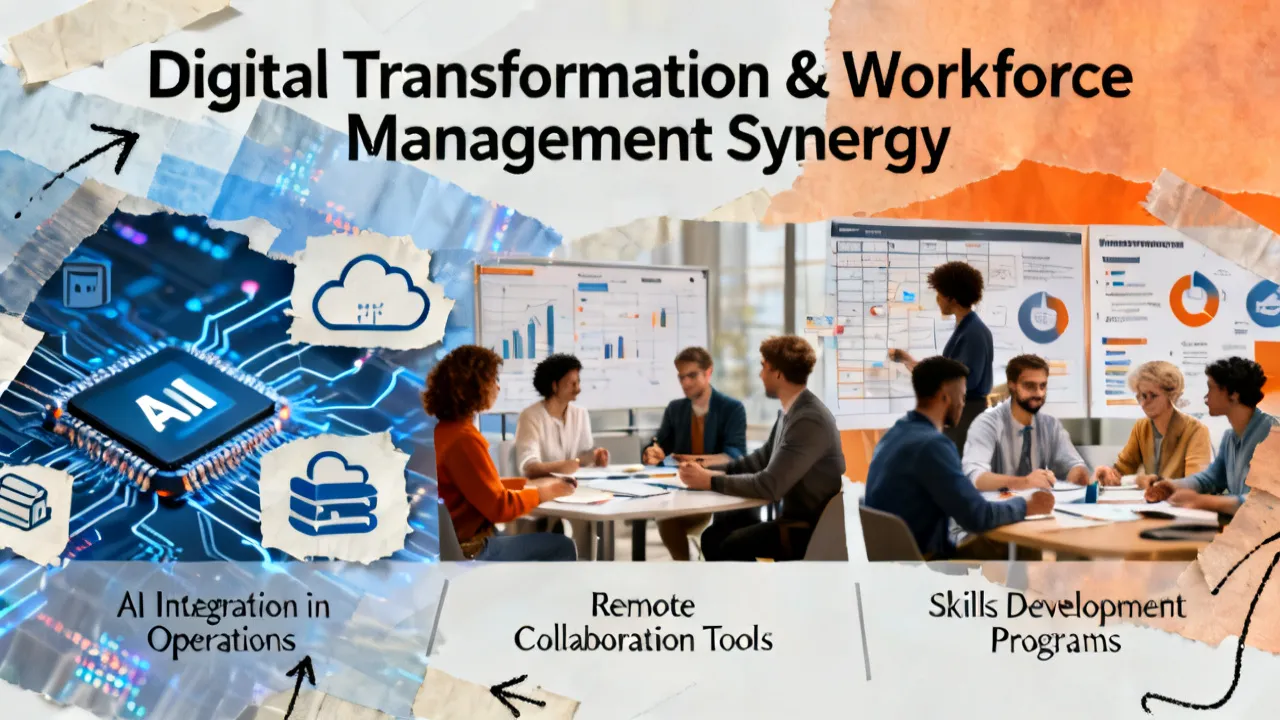
Digital transformation is reshaping the contours of business operations globally. At the nexus of this evolution is human resource management, pivotal in steering and managing the changes engendered by technological advancements. The seminal work of Heuvel & Bondarouk (2016) offers a comprehensive exploration of these dynamics, highlighting the emerging roles of HR professionals in adapting to and leveraging digital tools for enhanced organizational outcomes. As we delve deeper into this subject, it becomes clear that the journey of digital HR is not merely about implementing new technologies; it’s a fundamental philosophical shift in how organizations perceive and manage their most valuable asset: people.
Heuvel & Bondarouk examine how technology integration is fundamentally altering HR practices. Their research underscores the way digital tools streamline recruitment, enhance employee engagement, and facilitate performance management. One key insight from their study is the emphasis on data analytics as a critical component in decision-making processes, enabling HR to become more strategic and analytics-driven. For instance, using applicant tracking systems (ATS), organizations can automate the screening process, thereby reducing the time taken to identify suitable candidates. In addition, data analytics shapes not only recruitment strategies but also aids in real-time feedback mechanisms, fostering a culture of continuous improvement within organizations.
Moreover, tools like performance management software have evolved significantly. What was once a cumbersome annual review process has transformed into a continuous conversation, where employees receive real-time feedback and can contribute to setting their own objectives. This shift is important as it aligns employee goals with organizational commitments, fostering a sense of ownership and engagement via digital communication platforms.
The strategic repositioning of HR departments is not just an operational necessity but a strategic imperative. According to Heuvel & Bondarouk, HR professionals are tasked with adopting a more integral role that transcends administrative functions, acting as strategic partners in driving digital transformation. In this context, HR practitioners must develop competencies in both digital tools and strategic management to effectively contribute to organizational goals. This includes understanding how to leverage technology effectively for talent management, as well as how to use data analytics to anticipate future talent needs based on organizational growth goals.
The HR function today requires understanding market trends and the ability to predict the changing skills landscape. This means collaborating closely with other business units to align HR initiatives with broader organizational strategies. For instance, HR may use workforce analytics to identify training needs in specific departments or predict turnover trends, enabling proactive rather than reactive strategies when it comes to talent management. This shift demands a reevaluation of traditional HR metrics, moving away from operational KPIs to more strategic measures that align with business outcomes.
| Core Aspect | Description |
|---|---|
| Technological Integration | Utilizing digital tools to improve recruitment, engagement, and performance management. |
| Data-Driven Decisions | Implementing analytics for informed decision-making and strategic planning. |
| HR as Strategic Partners | Shift from administrative roles to strategic partners in digital transformation. |
| Change Management | Developing frameworks for managing change whilst ensuring employee buy-in. |
| Continuous Learning | Encouraging a culture of development and adaptation through technology. |
The integration of technology into HR processes not only transforms how tasks are managed but also influences workforce dynamics. Heuvel & Bondarouk identify the potential for improved employee engagement through personalized digital experiences. However, these changes also come with challenges, such as ensuring equitable access to digital tools and managing the impact of automation on job roles. The digital divide could exacerbate feelings of disenfranchisement among employees who lack access to the necessary tools or training, thus highlighting the need for comprehensive training programs fostering digital literacy among all levels of the workforce.
Organizational culture is also under scrutiny with the rise of digital HR practices. Organizations may need to reevaluate their cultural norms and values in light of the digital transformations taking place. Leadership must be mindful of how technology is reshaping communication styles, relationship dynamics, and overall workplace culture. Establishing a transparent, open communication framework makes it easier for teams to navigate challenges brought about by digital integration and ensures that new practices resonate with existing values. Moreover, encouraging feedback and dialogue amongst employees about their experiences with new tools can help identify discomfort and gaps before they escalate into broader issues. Investing in such dialogue not only fosters an inclusive environment but also boosts morale within the organization.
While the digital transformation offers numerous advantages, it also presents challenges. Heuvel & Bondarouk caution against overlooking the human element amidst the technological overhaul. Nurturing a digital culture that encourages adaptability, continuous learning, and inclusiveness remains crucial. Organizations must invest in upskilling and maintaining a balance between technology-driven efficiencies and human-centric approaches. Furthermore, HR departments must be wary of technology overload, where the sheer number of tools available can lead to confusion and reduced productivity among employees.
Another challenge lies in aligning the digital goals of HR with the overall strategic vision of the organization. HR leaders must undertake a strategic analysis to ensure that the integration of technology does not detract from the core mission of the organization. Regularly revisiting strategic goals and adjusting HR initiatives accordingly can help maintain this alignment, ensuring that technological advances operate in service of human capital development rather than becoming a standalone endeavor. The opportunity here is for HR to lead the charge in embedding a strategic approach within technological integration, championing an alignment that does not just drive efficiency but fosters innovation throughout the organization.
Several organizations have effectively embraced the recommendations of Heuvel & Bondarouk, demonstrating successful integration of digital strategies in HR. From multinational corporations spearheading global digital HR initiatives to small businesses leveraging analytics for localized improvements, these cases provide valuable lessons on harnessing technology for strategic HR purposes. For example, leading tech companies have adopted AI-driven recruitment tools that not only enhance the candidate experience but also reduce biases in hiring practices. Companies such as Unilever have implemented AI in their recruitment process to streamline candidate assessments through gamified evaluations, resulting in a more diverse and engaged talent pool.
In addition, organizations like Accenture have established frameworks for continuous learning and upskilling, leveraging online learning platforms to encourage employee development. This approach has yielded significant improvements in employee retention rates and engagement scores, underscoring the importance of a proactive learning culture. Furthermore, multinational companies have begun using cloud-based HR systems to ensure seamless communication between geographically dispersed teams, enabling collaboration and information-sharing across boundaries in real time. By using a combination of these technologies, organizations can shape a workforce that is agile, continuously learning, and poised for future challenges.
Heuvel & Bondarouk's 2016 study remains a cornerstone for understanding the dynamic interplay between digital transformation and human resource management. Their insights provide a roadmap for HR departments globally to navigate the complexities of this digital era, underscoring the importance of strategic alignment with organizational goals. As organizations embrace the ongoing digital landscape, the agility of HR to adapt and integrate these changes will largely determine their success. It is essential for HR professionals not only to understand technology but also to foster a culture of innovation, collaboration, and learning within their organizations candidly. The continuous evolution of digital HR practices invites a new era where technology complements human capability, ultimately leading to a more resilient and adaptive workforce.
To further delve into the nuances of digital transformation in HR, readers are encouraged to explore industry reports and case studies that highlight both successes and challenges in digital integration. Additionally, many organizations are now publishing whitepapers and best practice guides that detail their journeys through digital transformation. Resources such as the Society for Human Resource Management (SHRM) and the HR Tech Conference provide in-depth insights into emerging trends. Engaging with literature, webinars, and even industry forums can empower HR professionals to stay updated with the latest practices that will help them navigate the remarkable changes occurring in the HR landscape, ensuring they remain at the forefront of this digital evolution.
Striking the Perfect Balance: Navigating Premiums and Out-of-Pocket Expenses in Senior Insurance Plans

Explore the Tranquil Bliss of Idyllic Rural Retreats

How to Make Lasting Memories at Disneyland Attractions

Affordable Phones and Plans for Seniors

Affordable Full Mouth Dental Implants Near You

Unlock the Top Kept Secrets to Finding Your Ideal Dentist for Flawless Dental Implant Results!

Discovering Springdale Estates

Unveiling RS Sul Telecom Services

The Guide to Car Trading


Exploring the Retipster Club Advantage
The Retipster Club is an invaluable resource for real estate investors, offering a plethora of insights, tools, and community support to boost investing endeavors. Aimed at helping both novice and seasoned investors, the club provides educational materials, success stories, and expert strategies tailored to the ever-evolving real estate market landscape. Dive into this analysis to understand the manifold benefits the Retipster Club offers to enhance real estate success.

Navigating the Retipster Club
This article delves into the unique offerings of the Retipster Club, a community designed for individuals interested in real estate investment, providing educational resources and networking opportunities. Discover how the club supports its members through expert advice, comprehensive guides, and a robust community platform, all tailored to foster insightful and profitable investment strategies.
Unveiling Grunig & Hunt's PR Models
This article explores the seminal work of Grunig & Hunt in developing models of public relations. The Grunig & Hunt models, fundamental to understanding PR theory, provide insight into the strategic approaches and methodologies utilized in the field. Each model offers a distinctive perspective on communication and engagement strategies, relevant to both academic discussions and practical applications.
Understanding Organisational Behaviour Slideshare
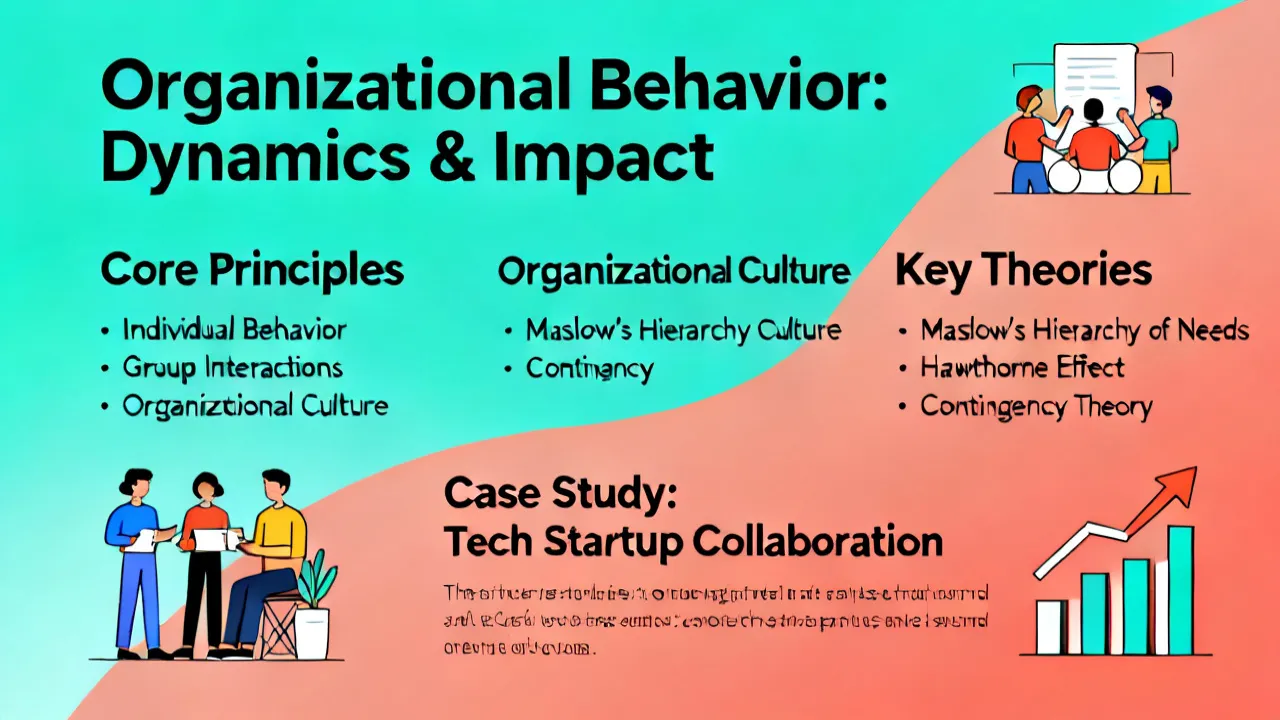
This article delves into the significance of Organisational Behaviour Slideshare for both educators and professionals. Organisational Behavior is a field that examines the impact individuals, groups, and structures have on behavior within organizations, aiming to improve an organization's effectiveness. With Slideshare's platform, these insights are easily shared, promoting a collaborative learning environment.
Mastering Organisational Behaviour Dynamics
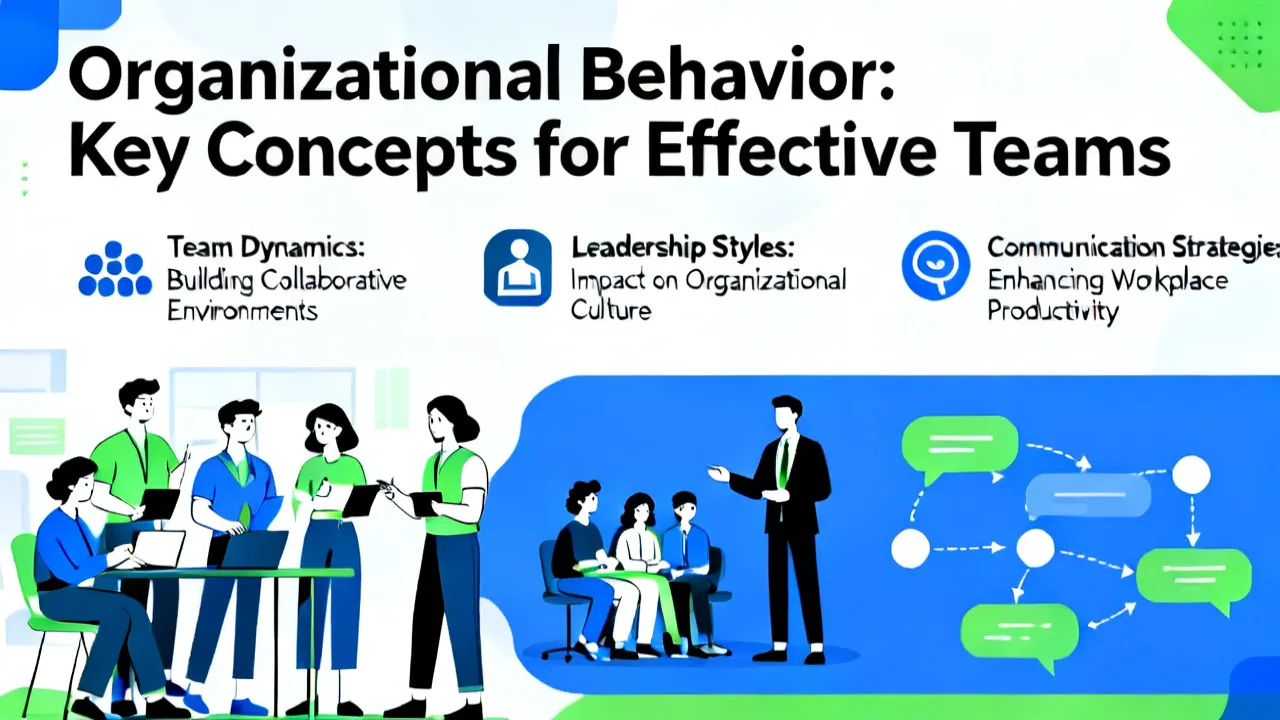
This guide explores the intricacies of Organisational Behaviour through Slideshare resources. It delves into the study of how people act within groups and organizations, offering insights into the psychological and sociological factors that influence workplace dynamics. This comprehensive analysis examines theories and practices to enhance understanding and improve corporate environments, supported with FAQs and expert perspectives.
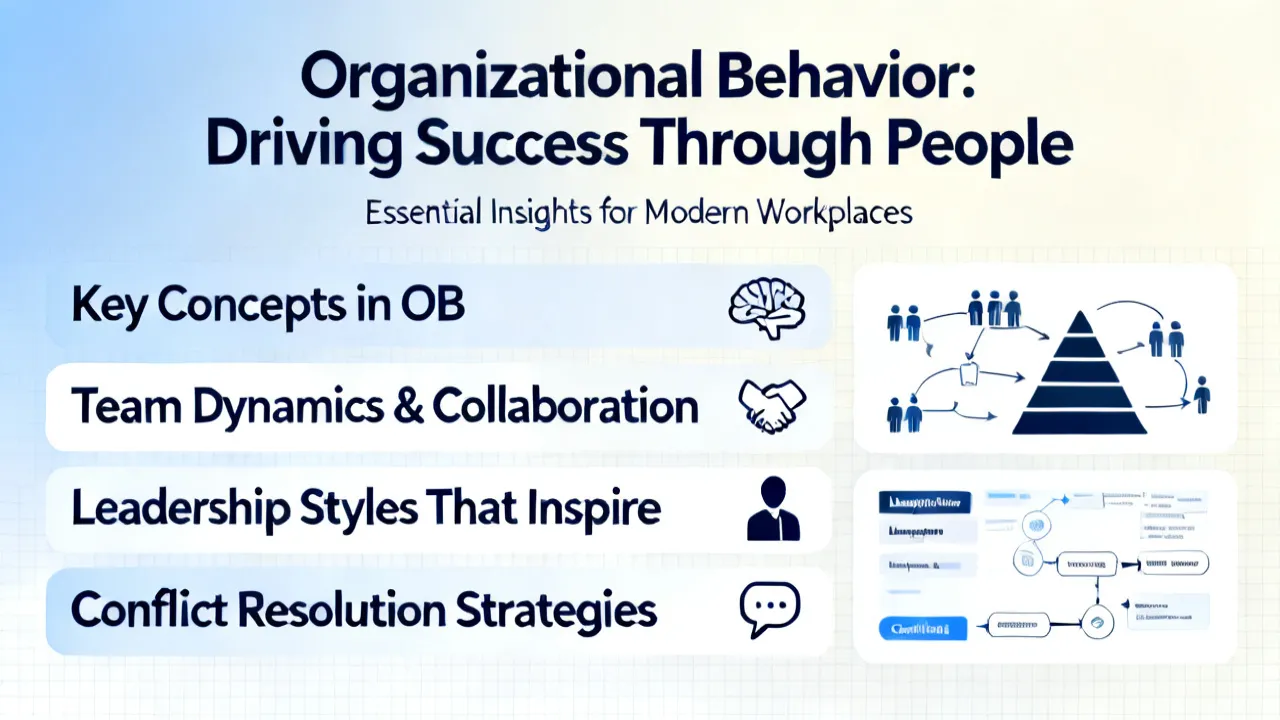
Mastering Organizational Behavior
This comprehensive guide explores the significance of organizational behavior within corporate settings, providing a deep dive into theories and practical applications as depicted on popular platforms like Slideshare. Organizational behavior studies the impact of individuals, groups, and structures on behavior within organizations to improve an organization's effectiveness.