This guide explains what 265 Cc means, how engines in this displacement range perform, and what buyers should evaluate before choosing a motorcycle or power unit. A 265 Cc designation refers to approximate engine displacement, not a complete measure of speed, efficiency, durability, or equipment. Real-world results depend on engine design, gearing, vehicle weight, maintenance, riding conditions, and local compliance requirements.
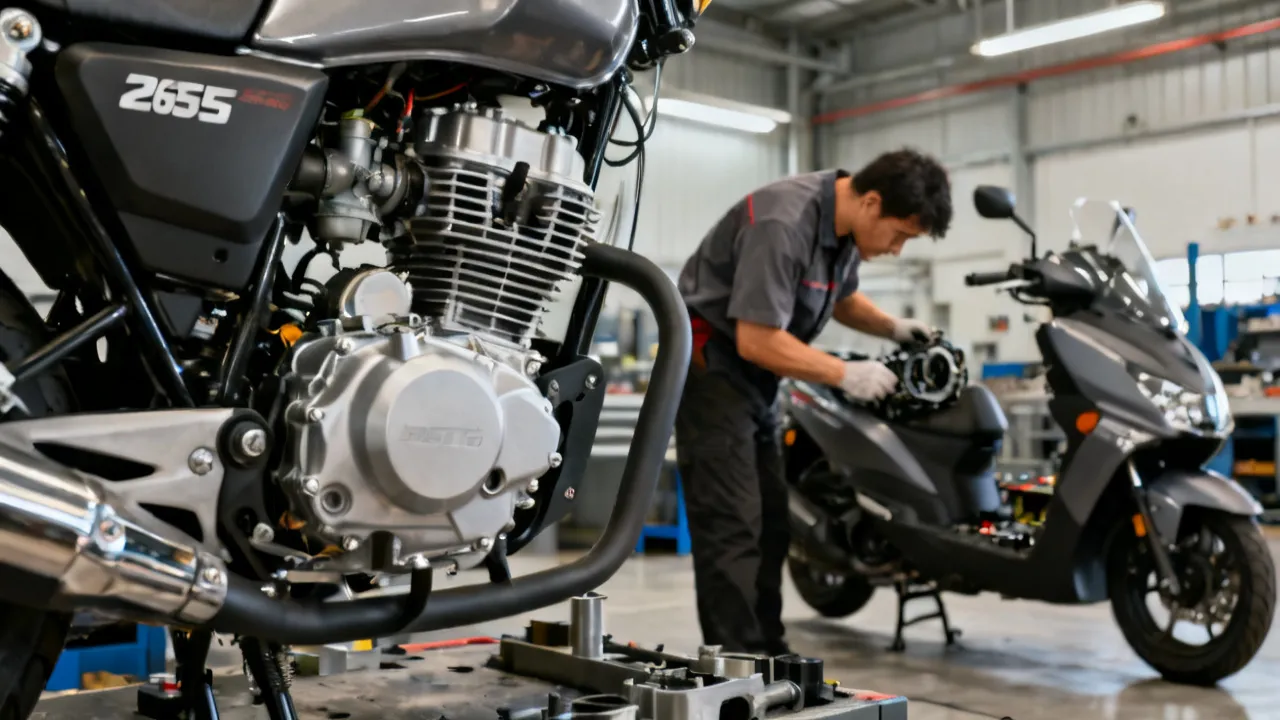
265 Cc describes an engine with an approximate total cylinder displacement of 265 cubic centimetres. Displacement is the combined volume swept by the piston or pistons as they travel through their cylinders. In practical terms, it indicates the engine’s basic air-and-fuel capacity, but it does not independently determine power, fuel consumption, acceleration, top speed, or reliability.
For motorcycles, a 265 Cc engine generally occupies a middle position between smaller urban machines and larger touring or performance motorcycles. It may offer a useful balance of manageable dimensions, moderate operating costs, and sufficient performance for commuting, recreational riding, and selected longer journeys. However, the suitability of a particular model depends on much more than its displacement badge.
Two motorcycles labeled 265 Cc can behave very differently. One may use a single-cylinder engine tuned for low-speed torque and uncomplicated maintenance. Another may use a more highly stressed design that prioritizes high-rpm output. Differences in compression ratio, fuel injection, valve arrangement, cooling method, gearbox ratios, chassis design, aerodynamics, and vehicle mass can substantially alter the riding experience.
From an engineering perspective, displacement should therefore be treated as a starting point for comparison rather than a final purchasing decision. A careful evaluation considers the complete powertrain and the intended operating environment.
Engine displacement is calculated from the cylinder dimensions. For a single-cylinder engine, the swept volume is determined by the bore diameter and the piston stroke. In a multi-cylinder engine, the volume of each cylinder is calculated and then multiplied by the number of cylinders. The result is usually expressed in cubic centimetres, although litres are also commonly used for larger engines.
The calculation does not include every space inside the combustion chamber. It refers specifically to the volume moved by the piston between its lowest and highest positions. The remaining chamber volume is called clearance volume. Together, swept volume and clearance volume influence the compression ratio, which is another important engine specification.
A designation of 265 Cc may represent a rounded or marketed figure rather than an exact measurement of 265.000 cubic centimetres. Manufacturers often use a convenient number for model identification. The official technical specification may list a slightly different displacement, such as 264 Cc or 266 Cc, while the motorcycle is still promoted within the 265 Cc class.
This distinction is normal and does not necessarily indicate a problem. Buyers should consult the technical data for the exact bore, stroke, cylinder count, and certified displacement when precision matters, particularly for licensing, taxation, insurance, or registration purposes.
Engine displacement affects how much air-fuel mixture an engine can process during each operating cycle. Under similar design conditions, a larger displacement can support greater torque and power because the engine has a greater swept volume. This relationship is not absolute, since modern engineering allows a smaller engine to produce strong output through efficient combustion, high rotational speed, forced induction, or advanced valve timing.
A 265 Cc motorcycle engine may be designed to deliver accessible torque at everyday speeds rather than peak performance at the upper end of the rev range. This character can make the motorcycle practical in traffic, particularly when the transmission is well matched to the engine’s torque curve. A suitable gearbox allows the rider to keep the engine within an effective operating range when starting, overtaking, climbing, or carrying additional load.
Displacement also affects internal dimensions. A manufacturer may achieve 265 Cc through a relatively large bore and short stroke, a smaller bore and longer stroke, or a balanced configuration. A short-stroke design may be capable of higher engine speeds, while a long-stroke design can emphasize low-speed response. These are general tendencies rather than guarantees, because combustion chamber shape, electronic control, intake design, and exhaust tuning also influence the result.
An expert comparison should examine these factors together. A motorcycle with a modest displacement may feel responsive because of low mass and carefully selected gearing, while a heavier machine with the same displacement may feel more relaxed but less agile.
The 265 Cc category can serve several purposes. It is often considered by riders who want more reserve performance than a small commuter motorcycle without moving immediately into a larger, heavier, or more expensive class. The category may suit urban travel, suburban roads, weekend riding, light touring, and rider development.
In urban use, a 265 Cc motorcycle can provide enough engine capacity for regular traffic flow while retaining a relatively compact footprint. Seat height, steering angle, clutch feel, turning radius, and low-speed balance may matter more than peak power. An engine with predictable throttle response can be easier to manage in congested streets than one tuned for aggressive acceleration.
Fuel economy is influenced by traffic density, rider behavior, tire pressure, vehicle load, maintenance, and weather. It should not be inferred from the 265 Cc label alone. Buyers should consult the manufacturer’s official specifications and, when available, standardized test information. Actual consumption may differ significantly from laboratory or certification results.
Urban riders should also think about heat management. Frequent stops mean less airflow across the engine and radiator, if fitted. A well-designed cooling fan, appropriate coolant, and clean air passages can help maintain normal operating temperature. Repeated short journeys may also prevent the engine and exhaust system from reaching their intended operating conditions, which can increase moisture accumulation and accelerate some forms of wear.
On suburban roads, riders may value smooth cruising, stable handling, and sufficient overtaking reserve. A 265 Cc engine can be appropriate for this role when the motorcycle’s transmission, aerodynamics, and chassis are designed for the expected road speeds. A windscreen, riding position, and seat shape can influence comfort as much as the engine itself.
Riders should assess the motorcycle under realistic conditions. A short test ride with one person may not reveal how the machine behaves with luggage, a passenger, headwinds, hills, or repeated acceleration. Prospective owners should review the permitted payload, recommended tire pressures, suspension adjustment range, and braking specifications.
For recreational use, engine character becomes particularly important. Some riders prefer a relaxed, predictable delivery, while others seek a more energetic response. A 265 Cc motorcycle can offer an engaging experience without requiring the physical commitment associated with a larger machine. Still, enjoyment depends on ergonomics, suspension quality, tire selection, vibration control, and the rider’s expectations.
Riding enjoyment is also affected by how the motorcycle communicates with its rider. Clear feedback through the throttle, brakes, handlebars, and seat can help the rider understand available grip and engine response. A machine does not need extreme acceleration to be enjoyable; balanced control, manageable momentum, and confidence on winding roads often matter more.
A 265 Cc motorcycle may be used for light touring, but the decision should be based on route conditions rather than engine size alone. Flat roads with modest loads place different demands on a motorcycle than steep mountain roads, high-speed motorways, or long stretches exposed to strong wind. Touring suitability also depends on luggage capacity, fuel range, seat comfort, weather protection, electrical capacity, and service access.
Before planning a long journey, the rider should establish the practical fuel range rather than relying only on the advertised tank capacity. A safe touring plan includes regular fuel stops, rest periods, weather awareness, and an emergency communication method. A small tool kit, tire-repair equipment, basic first-aid supplies, and a phone charger may be useful, provided they are stored securely and do not exceed the motorcycle’s load limit.
Many motorcycles in this displacement range use a single-cylinder configuration, although other layouts may exist. A single-cylinder engine can have a straightforward mechanical layout, compact packaging, and a distinctive pulse. It may also produce more noticeable vibration than a multi-cylinder engine, depending on balancing measures and mounting design.
Multi-cylinder engines divide displacement among several cylinders. This can support smoother power delivery and a different sound or response profile, although it may add mechanical complexity, weight, and service requirements. The number of cylinders should not be treated as a direct indicator of quality. The appropriate layout depends on the manufacturer’s objectives and the intended use of the motorcycle.
| Design consideration | Potential benefit | Possible trade-off |
|---|---|---|
| Single-cylinder layout | Compact packaging and a direct mechanical character | Vibration and pulse may be more noticeable |
| Multi-cylinder layout | Potentially smoother operation and broader refinement | May involve additional parts, weight, and service work |
| Long-stroke configuration | Can support strong low-speed response | May be less suited to very high engine speeds |
| Short-stroke configuration | Can support higher rotational speed | May require higher-rpm riding for top performance |
| Liquid cooling | More controlled temperature management under varied loads | Includes additional components and maintenance points |
| Air cooling | Mechanical simplicity and fewer cooling components | Temperature control can vary with speed and ambient conditions |
The table provides a framework for comparison, not a ranking. A well-developed engine can deliver dependable service with any of these arrangements when it is correctly operated and maintained.
Vibration should be evaluated carefully rather than judged from a brief stationary test. Some vibration is noticeable only at particular engine speeds, while other motorcycles transmit it through the seat, footpegs, or handlebars during extended riding. Excessive vibration can cause discomfort, loosen fasteners, or make mirrors difficult to use. A design with balanced crankshaft components and suitable mounting may remain comfortable even when its basic cylinder layout produces a strong engine pulse.
Manufacturers may publish maximum power and maximum torque figures, but those numbers should be read alongside the engine speeds at which they occur. Peak power at a high engine speed does not necessarily mean strong response in ordinary traffic. Similarly, a high torque figure may not guarantee easy acceleration if the motorcycle is heavy or the gearing is poorly matched.
Torque affects the engine’s ability to turn the rear wheel through the transmission. Power reflects how quickly that work can be performed. In simplified terms, acceleration depends on available wheel torque, vehicle mass, traction, aerodynamic resistance, incline, and the selected gear. This is why two 265 Cc motorcycles with similar engine specifications may deliver noticeably different results.
Throttle mapping is another important factor. Electronic fuel-injection systems can be calibrated for smooth response, sharper acceleration, reduced emissions, or a compromise among these objectives. A motorcycle that feels calm at low throttle openings may be easier for new riders to control. A more immediate response may appeal to experienced riders but can require greater precision.
When reviewing performance claims, readers should distinguish between manufacturer specifications, independent testing, and personal impressions. Manufacturer data is useful for confirming rated output, dimensions, and equipment. Independent tests can provide context, but results are affected by test conditions, rider technique, tire condition, altitude, temperature, and measurement method. Personal reviews are valuable for identifying practical characteristics, but they should not replace verified technical documentation.
Power delivery can be described through a torque curve or dyno chart. A broad, relatively flat curve may make the motorcycle easy to ride because usable force is available across a wider range of engine speeds. A narrow peak can produce an exciting character but may require more frequent gear changes. Neither approach is automatically superior; the best choice depends on whether the rider values relaxed operation, rapid response, or a more interactive riding style.
The compression ratio compares the volume above the piston when it is at the bottom of its stroke with the volume remaining when it is at the top. A higher compression ratio can improve thermal efficiency and power potential, but it may require fuel with an appropriate octane rating and careful control of ignition timing. The manufacturer’s fuel recommendation should always be followed.
Combustion efficiency is also affected by the shape of the combustion chamber, spark-plug position, valve timing, air movement, injector placement, and exhaust-gas management. Modern engines may use sensors and electronic controls to adjust operation across different temperatures and loads. These systems can provide good consistency, but they depend on functioning sensors, clean electrical connections, and correct maintenance.
Modern 265 Cc motorcycles commonly use electronically controlled fuel injection, although market-specific products may differ. Fuel injection can adjust fuel delivery according to sensor input, engine speed, throttle position, and operating temperature. This may improve starting behavior and consistency compared with older systems, but it also introduces electronic components that require proper diagnosis when faults occur.
Emissions equipment may include oxygen sensors, catalytic converters, evaporative controls, and electronically managed ignition. These systems are designed to help the motorcycle comply with applicable regulations. Removing, bypassing, or altering emissions-related equipment can affect legality, noise, reliability, and engine calibration. Owners should follow the requirements in the relevant jurisdiction and use approved replacement parts.
Fuel quality also matters. The owner’s manual should be treated as the primary reference for octane rating, ethanol compatibility, storage procedures, and fuel-system precautions. Using a fuel that does not meet the manufacturer’s recommendation can contribute to starting problems, poor running, or component damage.
Fuel-injection faults are not always caused by the injector itself. A weak battery, failed sensor, blocked fuel filter, damaged wiring, contaminated fuel, or air leak can create similar symptoms. Replacing parts without testing may increase cost without correcting the problem. Diagnostic work should begin with the manufacturer’s procedures and appropriate measurement tools.
Engine temperature influences combustion, lubrication, clearances, and component life. Air-cooled engines rely on airflow across external surfaces and may be mechanically simple. Their operating temperature can vary with ambient conditions, vehicle speed, traffic, and load.
Liquid-cooled engines use coolant passages, a radiator, a pump, and related controls to manage heat. This arrangement can provide more consistent temperature control, particularly under sustained load or slow traffic. It also requires periodic inspection of coolant level, hoses, seals, and the specified replacement interval.
Overheating should never be dismissed as an ordinary feature of a motorcycle. Warning lights, unusual smells, visible leaks, loss of power, or abnormal noises require prompt attention. Continuing to operate an overheating engine can worsen damage and increase repair costs. A qualified technician should diagnose the underlying cause rather than simply replacing a visible component.
Radiator fins should be kept reasonably clear of mud, insects, and debris. However, aggressive pressure washing can bend fins or force water into electrical connectors and seals. Cleaning should be performed carefully, and the motorcycle should be allowed to cool before contact with cold water or inspection of the cooling system.
A 265 Cc engine’s usability depends heavily on its transmission. A closely spaced gearbox can keep the engine in its effective operating range and may suit spirited riding. Wider ratios may support relaxed cruising and reduce frequent shifting. The top arrangement depends on the intended vehicle and the engine’s torque curve.
The clutch affects low-speed control, starting, hill work, and rider fatigue. A light clutch lever can be useful in dense traffic, while progressive engagement helps prevent abrupt starts. Some motorcycles use assist or slipper mechanisms that reduce lever effort or help manage rear-wheel behavior during aggressive downshifts. Equipment should be assessed by function rather than by terminology alone.
Chain drive is common because it is relatively light and allows gearing changes. It requires regular cleaning, lubrication, and adjustment. Belt drive can be quieter and may require less routine attention, while shaft drive can provide durability and convenience at the cost of additional weight and mechanical complexity. The owner’s manual should specify inspection procedures and replacement intervals.
Clutch slip is a common sign of wear or incorrect adjustment. The engine may rev higher without a corresponding increase in road speed, especially during acceleration or uphill riding. Difficult gear selection, creeping with the clutch fully pulled, or persistent clutch drag may indicate adjustment problems, worn components, incorrect oil, or internal damage. These symptoms should be checked before they cause additional wear.
Engine displacement cannot predict handling. Frame geometry, wheelbase, steering angle, suspension design, tire profile, brake hardware, and weight distribution all influence how a motorcycle feels. A 265 Cc machine may be agile in urban settings, stable on open roads, or capable on winding routes depending on its design priorities.
Riders should examine suspension travel, adjustment options, and response over uneven surfaces. A suspension system that feels comfortable on smooth pavement may require careful setup when carrying luggage or a passenger. Preload adjustment is not a substitute for observing the manufacturer’s maximum load requirements.
Braking performance should be considered in terms of hardware and control. Disc diameter, caliper design, brake-pad material, tire grip, anti-lock braking system availability, and chassis stability all contribute to stopping performance. Riders should understand how the braking system behaves in dry, wet, and low-grip conditions and should follow local laws regarding required safety equipment.
Wheelbase presents a compromise. A shorter wheelbase can make a motorcycle feel easier to turn and maneuver at low speed, while a longer wheelbase may provide additional straight-line stability. Steering geometry, tire construction, suspension condition, and rider technique can be just as influential. A buyer should evaluate stability and maneuverability together rather than assuming that the lightest or shortest motorcycle is automatically best.
A motorcycle can have suitable specifications and still be unsuitable if it does not fit the rider. Seat height affects confidence when stopping, while handlebar reach influences wrist, shoulder, and back comfort. Footpeg position changes knee angle and weight distribution. These factors are especially important during long commutes or extended recreational rides.
When evaluating a 265 Cc motorcycle, a rider should sit on the machine in normal footwear and check whether both feet can be placed securely according to personal comfort. The rider should also turn the handlebars, operate the clutch and brake levers, and assess whether the controls are easy to reach. A showroom impression is useful, but a supervised test ride provides better information.
Passenger considerations include rear-seat dimensions, grab points, footpeg location, suspension capacity, and braking response under additional load. The manufacturer’s payload limit includes the rider, passenger, luggage, and accessories together. Exceeding that limit may affect stability, tire loading, braking distance, and structural components.
Ergonomics can sometimes be adjusted with approved accessories, such as different handlebars, foot controls, seats, or windscreens. However, changes should not interfere with steering movement, cable routing, brake lines, lighting, or rider restraint. A comfortable modification that creates a control limitation is not a beneficial modification.
Regular maintenance is central to the dependable operation of any 265 Cc engine. The service schedule normally identifies tasks such as engine-oil replacement, oil-filter inspection, air-filter service, spark-plug inspection, valve-clearance checks, coolant inspection, brake-fluid replacement, chain adjustment, and tire evaluation.
Intervals may be expressed in distance, time, or both. A motorcycle that travels very little may still require calendar-based service because fluids degrade and rubber components age. Frequent short trips, dusty environments, repeated heavy loads, high ambient temperatures, and severe traffic can justify more attentive inspection than ordinary use.
Engine oil should match the viscosity, performance classification, and motorcycle-specific requirements stated by the manufacturer. The correct oil level is important; both insufficient and excessive oil can create problems. Oil should be checked using the prescribed procedure because the correct method may depend on whether the motorcycle is upright, warm, or resting for a specified period.
Valve clearance is another significant maintenance item. Incorrect clearance can affect starting, idle quality, performance, noise, and good valve-train condition. The required inspection interval varies by engine design. Owners should not assume that a quiet engine needs no inspection.
Chain maintenance is often overlooked. Excessive slack can create harsh engagement or allow the chain to derail, while excessive tension can stress bearings and suspension components. Alignment marks should not be accepted without verification when precision is needed. A technician can measure alignment and inspect sprocket wear during scheduled service.
Brake fluid absorbs moisture over time, even when the motorcycle is not ridden frequently. A change in color may indicate aging or contamination, but appearance alone does not establish fluid condition. Brake hoses, pad thickness, rotor condition, and lever feel should also be inspected. Spongy brakes, fluid leaks, or sudden changes in lever travel require immediate attention.
New engines may require a running-in period specified by the manufacturer. This period allows mating surfaces, rings, gears, and other parts to settle under controlled operating conditions. The exact procedure differs among products, so the owner’s manual takes priority over general advice.
Common principles may include avoiding prolonged operation at one constant engine speed, varying load appropriately, avoiding unnecessary hard acceleration, and observing temperature warnings. The rider should also check for fluid leaks, unusual sounds, loose fasteners, and changes in control feel during the first rides.
The first scheduled service is important because it may include an oil change, fastener inspection, chain adjustment, and general examination. Documentation of this service can support future maintenance and may be relevant to warranty conditions.
A buyer should begin with intended use rather than an engine-size preference. Consider the daily route, road speed, traffic pattern, passenger needs, storage requirements, weather exposure, and available service facilities. A motorcycle intended for short city trips may need different features from one used for weekend touring.
Next, compare verified specifications. Important items include curb or wet mass, seat height, wheel and tire sizes, fuel capacity, suspension travel, brake configuration, anti-lock braking system availability, rated payload, service intervals, warranty terms, and accessory compatibility.
Price should be evaluated as total ownership cost rather than purchase price alone. Registration, insurance, protective equipment, scheduled service, tires, chain and sprocket replacement, fuel, storage, and financing charges can all affect the budget. Prices vary by market, dealer, taxes, supply conditions, and optional equipment, so buyers should request a written quotation that clearly separates the motorcycle, mandatory charges, accessories, and documentation costs.
Supplier and dealer quality also matter. A reputable seller should provide a clear vehicle identification number, complete documentation, warranty information, delivery inspection details, and a realistic explanation of service support. Buyers should be cautious when a seller cannot explain the maintenance schedule, origin of the motorcycle, or status of required compliance equipment.
Accessories should be evaluated before purchase because factory-fitted or approved accessories may integrate more effectively with the motorcycle. Luggage racks, panniers, top boxes, center stands, heated equipment, engine guards, and windscreens can increase usefulness, but they also add weight and cost. The buyer should verify whether the motorcycle’s electrical system and payload rating can support the proposed equipment.
A new motorcycle normally offers known ownership history, current equipment, and manufacturer-backed warranty conditions, subject to the written terms. A used motorcycle may provide a lower acquisition cost, but its value depends on maintenance records, mileage, storage history, accident history, modifications, and the quality of previous repairs.
When inspecting a used 265 Cc motorcycle, begin with the engine cold if possible. A cold start can reveal starting difficulty, smoke, unusual noise, or unstable idle that may be less obvious after warming. Inspect the crankcase, cylinder area, cooling system, fork seals, brake lines, and final drive for leaks or damage.
Examine the frame and swingarm for signs of impact, distortion, or nonstandard repair. Check that the wheels rotate smoothly and that the tires have appropriate tread, correct size, and no cracking or bulges. Test the lighting, instruments, horn, switches, charging system, and safety interlocks.
A short ride should include low-speed control, clutch engagement, shifting, braking, straight-line stability, and turning. The rider should listen for abnormal mechanical sounds without taking unnecessary risks. An independent inspection by a qualified motorcycle technician is particularly valuable when the purchase involves substantial cost.
Wear items can materially change the apparent price of a used motorcycle. A motorcycle with worn tires, a stretched chain, weak battery, old brake fluid, and overdue valve inspection may require immediate expenditure. Buyers should identify these items and include their replacement cost in the purchase decision rather than focusing only on the advertised price.
Owners may consider changes to exhaust systems, air filters, gearing, suspension, handlebars, seats, lighting, luggage, or protective equipment. Some modifications improve ergonomics or practicality, while others can alter noise, emissions, handling, warranty status, or reliability.
Changing final-drive gearing can make acceleration feel stronger or reduce engine speed during cruising, but it also affects speedometer accuracy, fuel consumption, chain loading, and engine behavior. Exhaust and intake modifications may require recalibration. Installing parts without confirming compatibility can produce poor running or violate local regulations.
Additional luggage increases mass and changes the motorcycle’s aerodynamic and handling characteristics. It must be mounted securely and kept within the manufacturer’s load limits. Heavy items should be positioned low and close to the motorcycle’s centre of mass where possible. Loose straps and poorly balanced loads can create serious hazards.
Suspension modifications should be selected according to rider weight, passenger use, luggage, and road conditions. A stiffer spring is not automatically an improvement, and excessive damping can reduce tire contact over rough surfaces. Changes should be made systematically, with one adjustment at a time and with careful attention to steering stability and braking behavior.
Rider training, protective equipment, visibility, and hazard awareness are more important to safety than engine displacement. A properly fitted helmet that meets the applicable standard is essential. Gloves, abrasion-resistant clothing, protective footwear, and impact protection can reduce injury severity in a crash.
Riders should understand the motorcycle’s controls before entering busy traffic. Practice should include smooth starts, progressive braking, emergency stops in a controlled environment, low-speed turns, lane positioning, and observation of blind areas. Training should be adapted to local traffic rules and road conditions.
Wet surfaces, painted lines, metal covers, loose gravel, leaves, and diesel contamination can reduce tire grip. Riders should reduce speed, avoid abrupt inputs, and increase following distance when traction is uncertain. Wind can affect lighter motorcycles, especially near large vehicles, bridges, and open areas.
Passenger operation requires additional preparation. The passenger should know how to mount, dismount, hold the grab points, and remain aligned with the rider during turns. Tire pressures and suspension settings should follow the manufacturer’s guidance for the additional load.
Visibility is a shared responsibility. Headlights, brake lights, turn signals, reflective clothing, and lane positioning can help other road users notice the motorcycle. Riders should not assume that another driver has seen them simply because the motorcycle is legally illuminated. Eye contact, escape planning, and reduced speed near intersections remain important defensive techniques.
Motorcycle regulations differ by jurisdiction. Requirements may cover emissions, noise, lighting, registration, licensing, insurance, helmet use, anti-lock braking systems, and vehicle inspections. Buyers should verify these matters with the relevant transport authority or an authorized dealer before purchase or importation.
Environmental conditions also influence operation. At high altitude, reduced air density can affect engine output. Extreme heat can increase thermal stress, while cold temperatures may affect starting and battery performance. Humidity, salt, dust, and standing water can accelerate corrosion or contaminate electrical connections.
Storage should be adapted to the climate. The motorcycle should be protected from prolonged moisture and direct exposure when practical. If it will remain unused for an extended period, the owner’s manual may specify battery care, fuel treatment, tire support, and fluid checks. The correct procedure depends on the motorcycle and storage duration.
Riders who operate near the coast or on roads treated with salt should rinse exposed components with clean water when appropriate and dry the motorcycle thoroughly. Corrosion prevention should not involve spraying unsuitable chemicals onto brake discs, tires, belts, or electrical contacts. Products must be applied only where the manufacturer or product instructions permit.
An industry expert does not begin by asking which motorcycle has the largest advertised output. The first question is whether the motorcycle’s performance envelope matches the rider’s routine. A model used mainly in traffic should be judged on balance, cooling behavior, clutch action, visibility, braking control, and service convenience. A model used for touring deserves closer attention to comfort, payload, wind protection, stability, and equipment support.
The second question concerns ownership support. A technically attractive motorcycle may be less suitable if parts are difficult to obtain or qualified service is unavailable. Buyers should investigate the dealer network, normal maintenance costs, warranty process, and expected availability of wear items such as tires, brake pads, filters, chains, and sprockets.
The third question is documentation. A serious comparison relies on the official owner’s manual, technical specifications, compliance information, and written warranty terms. Marketing language should be separated from measurable facts. Claims about economy, durability, or performance need context and should not be accepted without a defined test method.
| Evaluation area | Questions to ask |
|---|---|
| Engine | What are the rated power and torque figures, and at which engine speeds do they occur? |
| Transmission | Is the gearing appropriate for city traffic, open roads, hills, or touring? |
| Chassis | How do mass, wheelbase, suspension, and tires affect handling? |
| Braking | What braking equipment is fitted, and is anti-lock braking available or required? |
| Ergonomics | Does the seating position suit the rider’s height, reach, and daily distance? |
| Maintenance | What service intervals, fluids, inspections, and consumable parts are specified? |
| Ownership | What are the insurance, registration, service, tire, and accessory costs? |
| Support | Can the supplier provide documentation and access to qualified technical service? |
Before purchasing a 265 Cc motorcycle, the buyer should confirm several conditions. The rider must hold the appropriate licence or permit for the motorcycle’s power and classification. Insurance requirements should be checked before the motorcycle is ridden on public roads. Registration and inspection procedures may require identification documents, conformity certificates, proof of purchase, or other records.
The motorcycle should be supplied with the documents required by the market in which it will be registered. These may include the owner’s manual, warranty booklet, service information, compliance documentation, and a valid sales invoice. When buying a used motorcycle, the vehicle identification number should match the documentation and the physical frame marking.
Buyers should also confirm whether accessories affect warranty conditions or legal compliance. Nonstandard exhausts, lighting, number-plate brackets, handlebars, suspension components, and electronic devices may require approval or may be restricted. The supplier should explain any known limitations in writing.
Practical conditions should also be considered. The owner needs a secure place to park the motorcycle, a method of protecting it from weather, and enough space to perform basic checks or arrange professional service. A suitable riding kit should include a compliant helmet, gloves, protective clothing, and footwear before the first regular journey.
Several symptoms can indicate that a 265 Cc motorcycle requires inspection. Hard starting may relate to battery condition, fuel delivery, ignition, air intake, or engine temperature sensing. An unstable idle may result from air leaks, contamination, incorrect adjustment, or electronic faults. Loss of power can arise from restricted airflow, fuel problems, ignition issues, overheating, clutch slip, or drivetrain wear.
Riders should avoid diagnosing complex issues solely from online comments or unrelated models. The correct procedure is to record when the symptom occurs, whether the engine is cold or warm, what warning lights appear, and whether the condition changes with load or engine speed. This information can help a technician identify the cause more efficiently.
Warning lights should be treated seriously. The owner’s manual may explain whether a light indicates a temporary condition, a service reminder, or a fault requiring immediate attention. If the motorcycle behaves abnormally, the safest course is to stop in a suitable location and seek qualified assistance.
Unusual tire wear can reveal incorrect pressure, wheel misalignment, worn suspension components, or unsuitable riding conditions. A scalloped or cupped pattern may affect steering feel and noise. Cracks, bulges, exposed cords, or tires beyond the recommended age should be treated as safety concerns rather than cosmetic defects.
Reliability is influenced by design, manufacturing quality, maintenance, operating conditions, storage, and repair history. Engine displacement alone cannot establish expected service life. A motorcycle that receives timely oil changes, correct adjustments, sensible warm-up practices, and appropriate loads is likely to experience different wear from one that is neglected or repeatedly operated beyond its design conditions.
Buyers should examine the manufacturer’s warranty, service bulletins where available, recall notices, and independent inspection findings. Official recall information is more dependable than unverified social-media claims. A pattern reported by owners may justify further research, but it should be checked against technical documentation and the specific model year or production version.
Reliability also includes the broader motorcycle. Electrical connectors, switches, wheel bearings, suspension seals, brake components, and fasteners all affect ownership satisfaction. A reliable engine does not compensate for poor maintenance of the chassis or braking system.
Evidence of reliability is strongest when several sources agree. Long-term ownership reports, service records, warranty data, parts availability, and technician experience can provide useful context. One isolated complaint or one highly positive review cannot establish the general performance of an entire model range.
For objective information about a 265 Cc motorcycle, the very useful primary source is the manufacturer’s official specification sheet and owner’s manual. These documents identify recommended fluids, service intervals, operating limits, load restrictions, tire pressures, and control procedures.
Regulatory information should come from the relevant national or regional transport authority. Emissions and safety requirements may be supported by official type-approval documents, certification records, or government consumer guidance. Independent road tests can add practical context, but readers should check the test date, measurement method, equipment condition, and market specification.
Technical standards organizations and recognized engineering publications can provide background on engine terminology, braking principles, tire ratings, and maintenance practices. When citing fuel-economy or emissions information, the testing authority and test cycle should be identified because results from different procedures are not directly interchangeable.
Specifications can change between model years and markets. A motorcycle with the same name may have different emissions equipment, brakes, suspension components, instrument functions, or engine calibration in another country. The vehicle identification number, production year, and local specification should therefore be confirmed before ordering parts or relying on a review.
It can be suitable for some beginners, but suitability depends on rider training, physical fit, motorcycle mass, throttle response, seat height, and local licensing rules. A beginner should choose a motorcycle that can be controlled confidently at low speed and during emergency braking. Professional instruction and gradual practice are more important than selecting a particular displacement.
No. Engine displacement does not specify maximum speed. Top speed depends on power, gearing, aerodynamics, mass, rider position, tire condition, road gradient, wind, and electronic limits. Manufacturer specifications and responsible testing should be used instead of assumptions based on the displacement figure.
It may have moderate operating costs compared with larger motorcycles, but actual expenses vary. Fuel consumption depends on riding style, traffic, maintenance, load, tire pressure, and road conditions. Insurance, service, tires, registration, financing, and accessories may represent a substantial portion of total ownership cost.
That depends on local law and the motorcycle’s certified capability. The rider should consider legal minimum speeds, traffic flow, wind exposure, braking reserve, engine temperature, and comfort during sustained operation. The owner’s manual and transport authority provide the appropriate guidance.
The correct interval is specified by the manufacturer and may be based on distance, time, or operating severity. Routine items commonly include oil, filters, chain condition, brakes, tires, controls, and fasteners. The official maintenance schedule should take precedence over generalized intervals.
Neither system is universally better. Liquid cooling can provide more controlled temperature management under sustained or variable loads, while air cooling may offer mechanical simplicity. The quality of the complete design, maintenance, and operating environment determines practical performance.
Some modifications can change throttle response or output, but results depend on compatibility and calibration. Intake, exhaust, ignition, or gearing changes may affect emissions, noise, reliability, fuel consumption, warranty coverage, and legality. Any modification should be evaluated by a qualified professional and checked against applicable regulations.
Check the cold start, engine noise, fluid leaks, frame condition, wheel alignment, tire age and condition, brakes, suspension seals, chain and sprockets, electrical equipment, documentation, service records, and signs of accident damage. An independent inspection is advisable when the buyer lacks mechanical experience.
No. A larger engine may provide additional power, but it can also add mass, cost, heat, and physical demands. The top motorcycle is the one whose performance, ergonomics, equipment, and maintenance requirements match the rider’s use.
There is no single answer for every rider. Rated torque and power, vehicle mass, seat height, braking equipment, payload, service intervals, and ergonomics are all important. For daily use, predictable control and practical support may matter more than peak output.
No. Displacement only identifies approximate swept volume. Bore, stroke, cylinder count, valve arrangement, compression ratio, cooling, fuel system, tuning, gearbox, and chassis design may all differ. Two motorcycles with similar displacement can have different performance, comfort, and maintenance requirements.
A 265 Cc engine offers a useful reference point for comparing motorcycles, but it should never be treated as a complete description of the vehicle. The very meaningful assessment combines engine architecture, power delivery, gearing, cooling, chassis design, braking, ergonomics, maintenance, legal compliance, and supplier support.
For many riders, this displacement range can provide a balanced platform for commuting, recreational travel, and measured progression in riding experience. Its success depends on selecting a motorcycle that fits the route, rider, load, climate, and service environment. By consulting official documentation, testing the motorcycle responsibly, verifying ownership costs, and maintaining every major system according to specification, buyers can make a more informed and technically sound decision.
Striking the Perfect Balance: Navigating Premiums and Out-of-Pocket Expenses in Senior Insurance Plans

Explore the Tranquil Bliss of Idyllic Rural Retreats

How to Make Lasting Memories at Disneyland Attractions

Affordable Phones and Plans for Seniors

Affordable Full Mouth Dental Implants Near You

Unlock the Top Kept Secrets to Finding Your Ideal Dentist for Flawless Dental Implant Results!

Discovering Springdale Estates

Unveiling RS Sul Telecom Services

The Guide to Car Trading

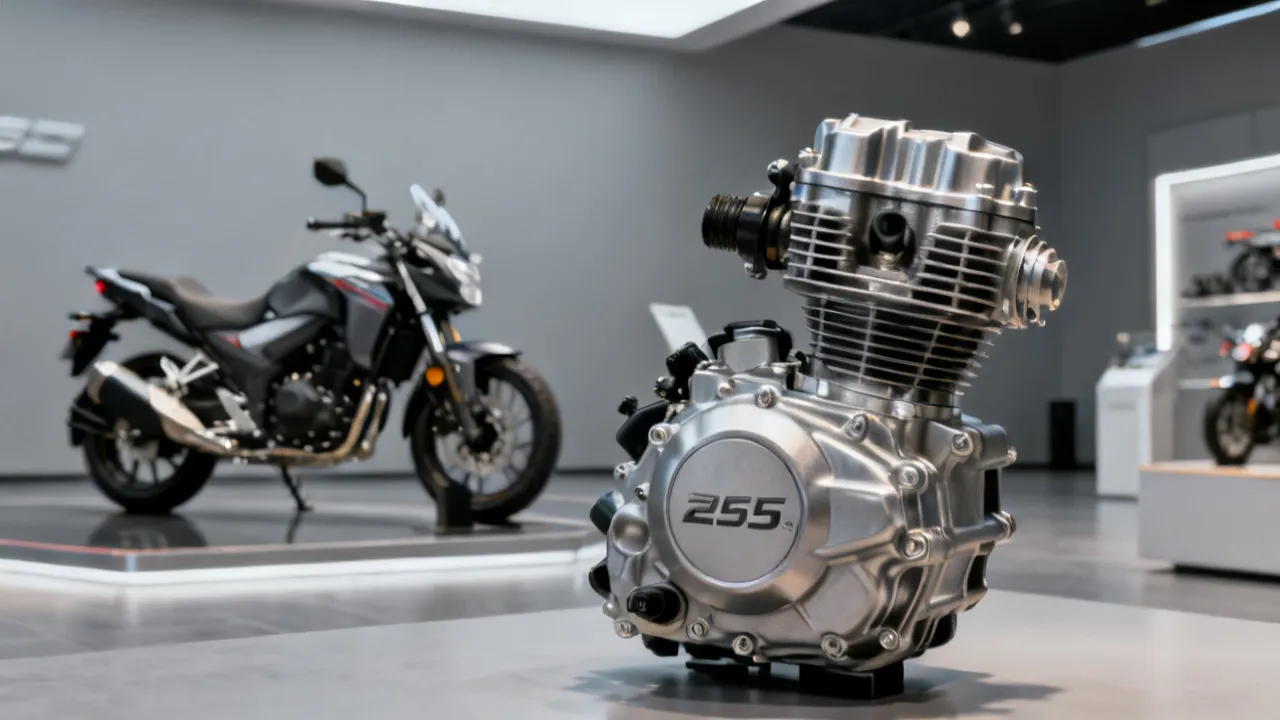
Understanding 265 Cc Engines and Vehicles
This guide explains what 265 Cc means, how engine displacement affects performance, efficiency, maintenance, and vehicle selection, and which specifications should be checked before purchase. A 265 cc engine is a power unit with a swept cylinder volume of approximately 265 cubic centimetres, although actual output varies according to cylinder count, design, tuning, fuel system, transmission, vehicle weight, and emissions equipment. Buyers should assess complete manufacturer specifications rather than displacement alone.
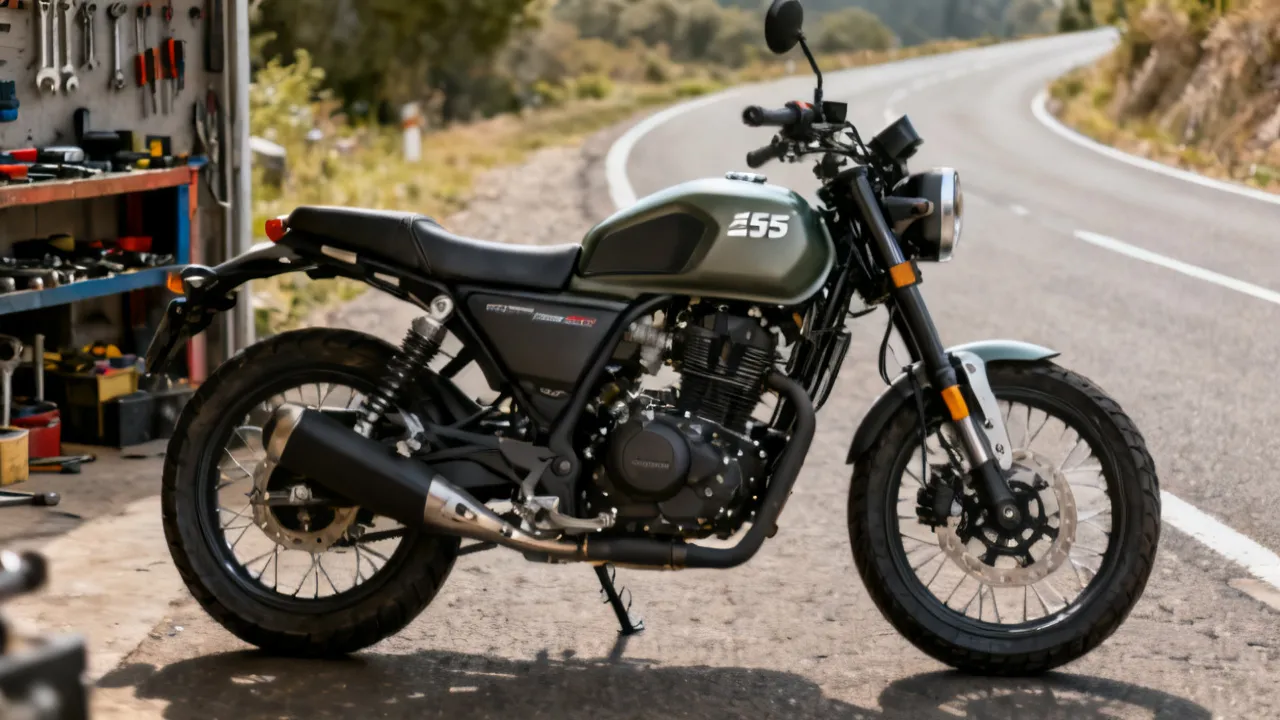
Understanding the 265 Cc Motorcycle Class
This guide explains what a 265 Cc motorcycle specification means and how buyers can evaluate performance, efficiency, comfort, maintenance, safety, and ownership costs. A 265 cc engine belongs to the lightweight-to-mid-displacement category, although actual capability depends on engine design, gearing, chassis construction, rider conditions, and regulatory requirements. The article provides an objective framework for comparing models without assuming that displacement alone determines quality.
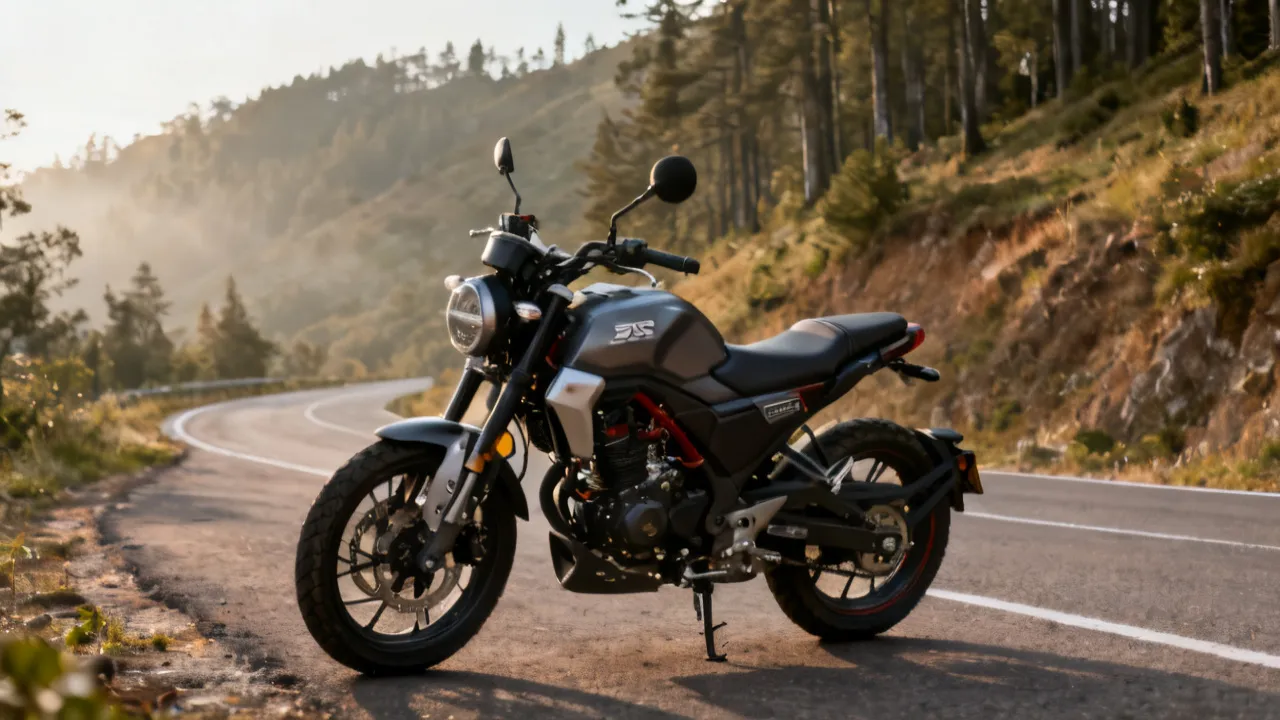
Understanding the 265 Cc Motorcycle Class
This guide explains what 265 cc means, how engines in this displacement range perform, and what buyers should evaluate before choosing a motorcycle. A 265 cc engine describes an approximate cylinder displacement of 265 cubic centimetres, but displacement alone does not determine acceleration, fuel consumption, comfort, reliability, or legal classification. Engine design, gearing, weight, maintenance, and intended use are equally important.
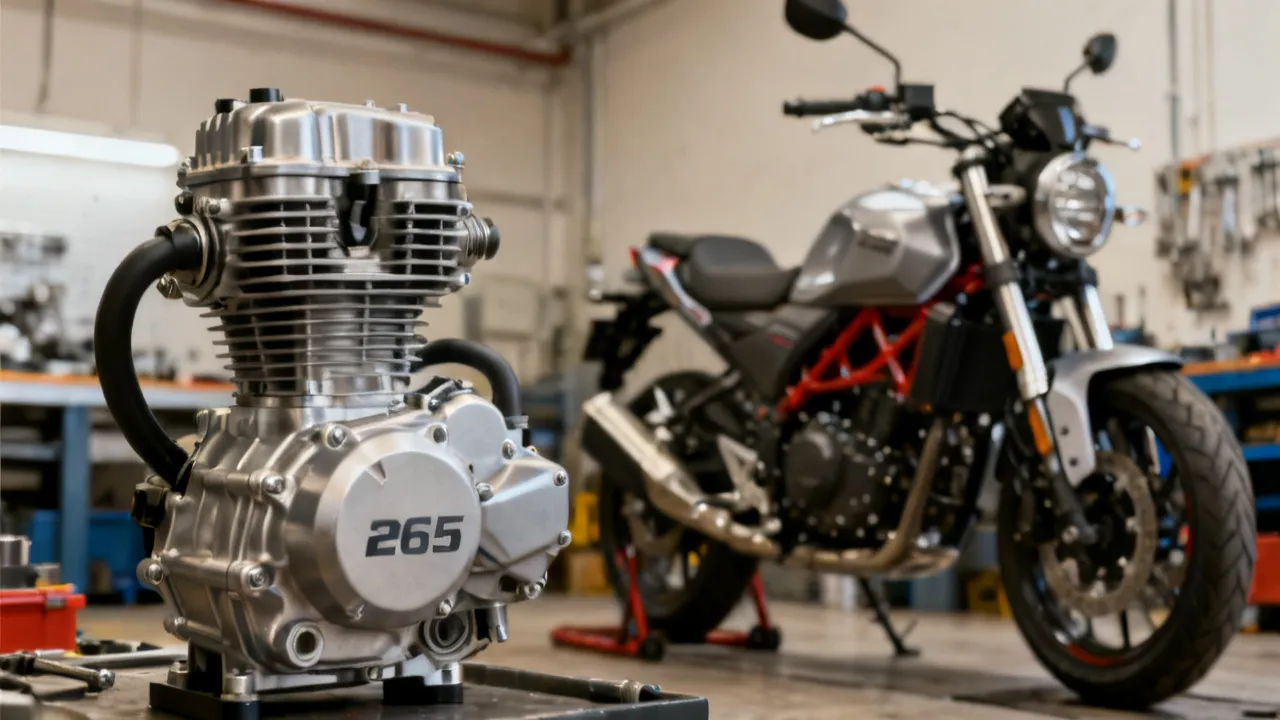
Understanding 265 Cc Engines and Motorcycles
This guide explains what 265 cc means, how engine displacement affects motorcycle performance, and what buyers should evaluate before selecting a 265 cc model. The term describes an engine’s approximate swept volume, not a guaranteed power rating or vehicle category. Actual performance depends on design, tuning, gearing, weight, fuel system, cooling, emissions equipment, maintenance, and intended use.
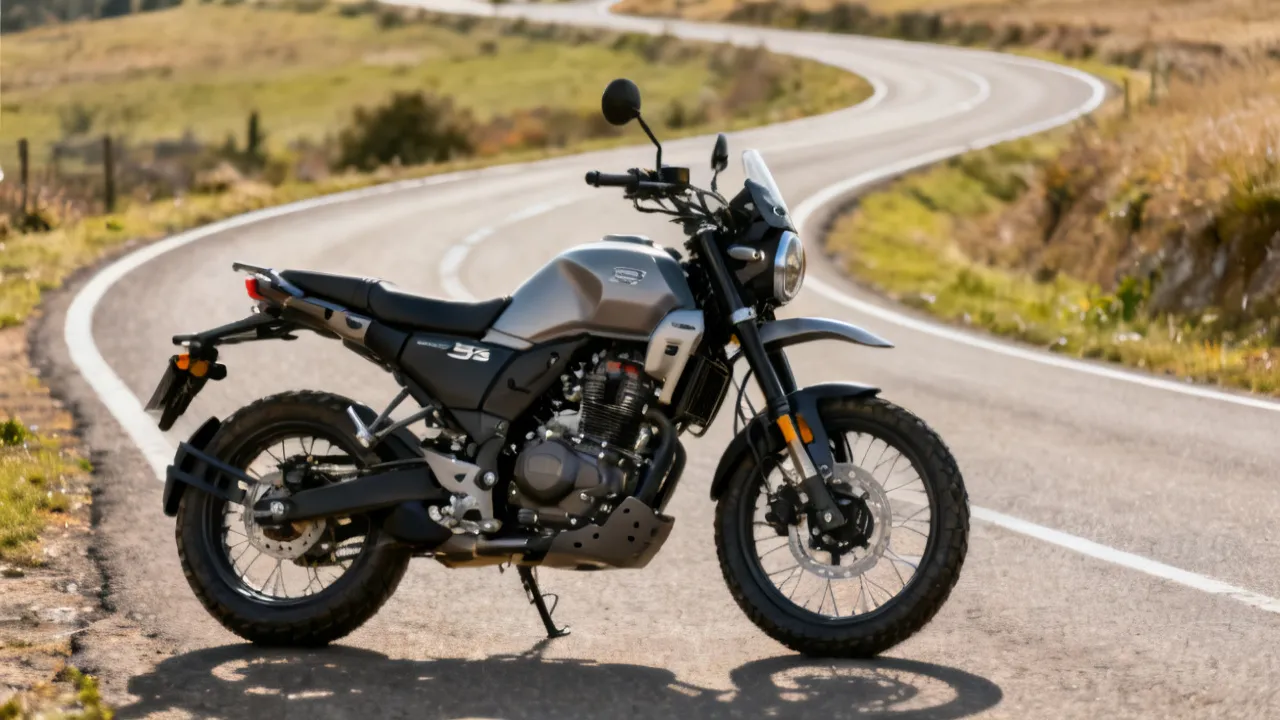
Understanding the 265 Cc Motorcycle Class
This guide explains what 265 Cc means, how motorcycles in this displacement class perform, and which factors matter when comparing models. Engine displacement describes the combined swept volume of the cylinders, but it does not independently determine power, fuel consumption, comfort, or reliability. Buyers should assess engine design, gearing, weight, braking equipment, maintenance requirements, regulatory compliance, and intended use before choosing a 265 Cc motorcycle.
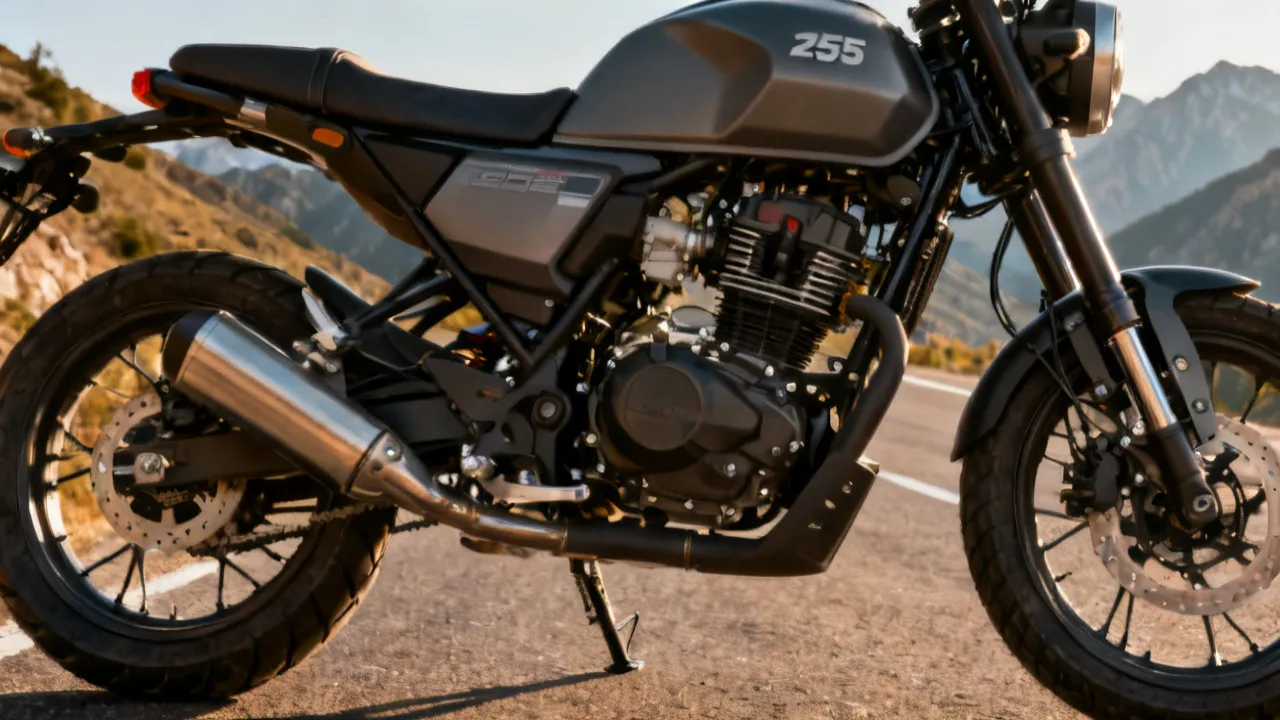
Understanding 265 Cc Motorcycle Engines
This guide explains what a 265 Cc engine designation means and how it affects motorcycle performance, efficiency, maintenance, comfort, and purchasing decisions. Engine displacement is only one part of a motorcycle’s design: cylinder configuration, tuning, gearing, vehicle weight, emissions equipment, and intended use also shape real-world behavior. Readers will find a practical framework for comparing 265 Cc motorcycles without relying on unsupported performance claims.