If you need a new phone, this guide explains how major Lifeline-supported wireless providers work and how to request eligibility review. It offers an objective background on government phone programs, their typical application paths, and what kinds of service terms vary by state and plan. Readers will also find a comparison table, application steps, and practical FAQs to help plan next moves.
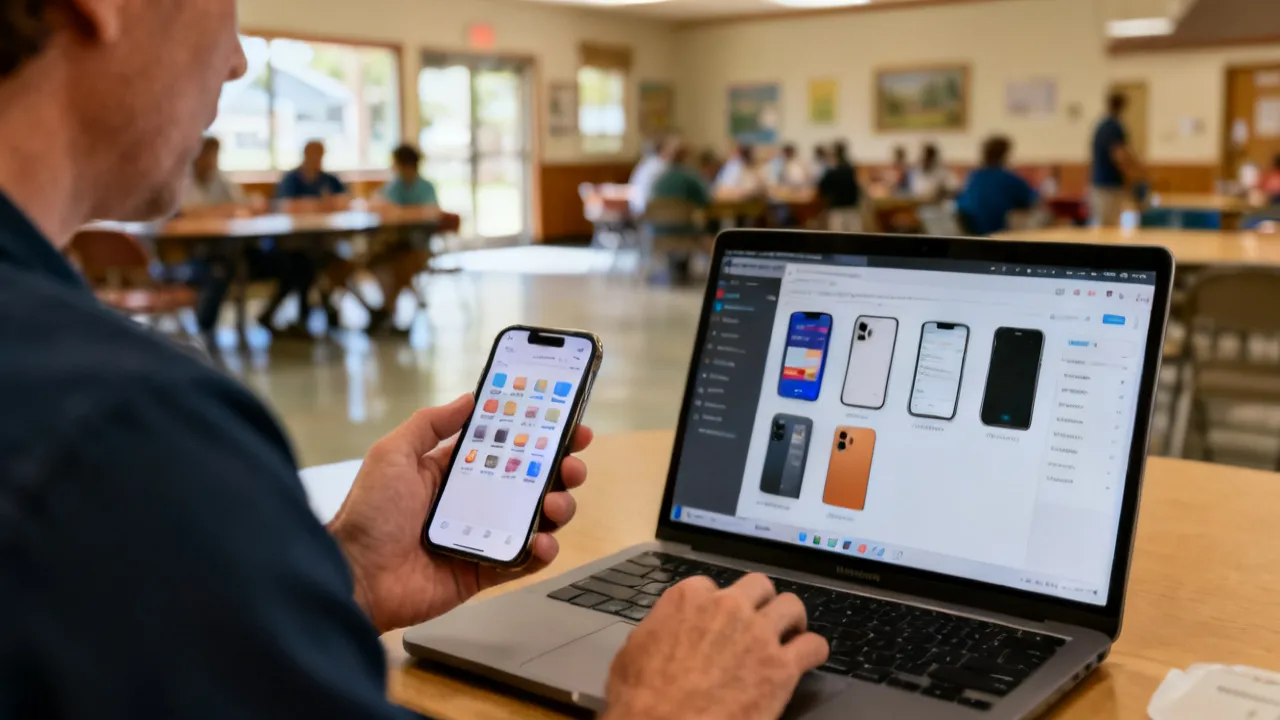
If you’re searching for a new phone, start by identifying which government-supported wireless program fits your situation, then match the provider’s device-and-service terms to your daily needs (talk/text and data allowance). In the U.S., several Lifeline-linked carriers offer smartphone options through eligible enrollment pathways; the exact device model and service limits can differ by plan and state.
From an industry perspective, the very important success factor is not the brand name—it’s whether your eligibility can be verified during application. That usually depends on documentation, the correct program selection, and whether you’re already enrolled in qualifying assistance.
In other words: don’t begin by picking a phone you want. Begin by confirming that you can be approved. Then, once you know approval is likely, you can narrow down device options and data needs with much less risk of wasting time.
Government phone programs are designed to help eligible households maintain affordable connectivity. They are commonly structured around federal programs such as Lifeline and (in many areas) the Affordable Connectivity Program (ACP). Carriers participating in these programs may offer a handset and a wireless service plan that includes core communications (voice and text) with limited data or data allowances, subject to program rules.
Because programs involve eligibility verification, providers follow specific application flows—often requiring proof of identity and program participation or income-based qualification. If you are considering a phone upgrade, treat this as an administrative process first and a shopping process second: your eligibility status largely determines what options are available.
It also helps to understand that “government phone plan” is an umbrella phrase people use for several related benefit structures. In practice, the benefit experience includes a mix of: (1) eligibility enrollment rules, (2) carrier participation rules, (3) device inventory, and (4) plan configuration for data. Each of these can change over time, even when the high-level idea remains the same.
For example, even if two people are both eligible for a Lifeline-style benefit, one may be offered a smartphone through a participating carrier’s “new device” option while the other is asked to bring their own device (BYOD). Another eligible person may be assigned a plan with a particular data structure, such as a monthly data allowance or a “high-speed then reduced-speed” model. Those differences can affect day-to-day satisfaction more than the general label of “government plan.”
Additionally, the administrative process can be faster when you already have current documentation and your personal details match what your assistance program records show. Conversely, minor mismatches—like an address format, a missing middle initial, or a document that is too low-quality to read—can slow verification.
Below is a concise comparison of the official participating providers, the types of services typically included in their government-supported offerings, and the very common categories of add-on costs. Exact details can change by state, device availability, and plan configuration.
| Provider (Official Site) | Services Commonly Included in Government-Supported Plans | Typical Additional Package Costs (If Any) |
|---|---|---|
| SafeLink Wireless | Unlimited talk and text; data allowance that may vary by plan and state; device support options (smartphone or BYOD depending on eligibility flow) | Upgrades to premium/better devices and/or additional data boosts may cost extra |
| Assurance Wireless | Affordable Android smartphone option; unlimited talk and text; data allowances within the selected plan | Optional upgrades such as higher high-speed data tiers or add-on services may incur charges |
| StandUp Wireless | Smartphone or BYOD options; unlimited talk and text; qualifying data plan terms | Fees may apply for premium device upgrades or extra data packages |
| Access Wireless | Unlimited voice and text; limited high-speed data within Lifeline/related benefit structures | Data boosts and device upgrades may be available for a fee |
| True Wireless | Government-supported phone availability; voice and qualifying data plan terms | Optional upgrades to better devices or additional data plans may cost extra |
source: www.safelinkwireless.com, www.assurancewireless.com, standupwireless.com, www.accesswireless.com, www.gotruewireless.com (Source of the information used above: official provider pages.)
Because you said, “I Need a New Phone,” the practical question is: what must be true for you to qualify and how do you apply without wasting time? The section below outlines common eligibility conditions used across these providers’ Lifeline/benefit-linked programs.
To avoid confusion, remember that the “new phone” part is only one piece of the outcome. The first milestone is being approved for the benefit. The second milestone is being offered an eligible device option—either a smartphone through their program or the ability to activate service using your current device.
Even though the eligibility categories may look simple on paper, the reality can vary. For example, some people qualify because they are already enrolled in programs like SNAP or Medicaid. Others qualify through household income. That distinction matters because the required document set may differ—so the “correct program selection” during application is important.
It’s also worth noting that eligibility verification systems rely heavily on consistent data. If your program enrollment is active but your document does not show the same name/address details you submit, you can experience delays. While some providers can correct mismatches with additional documentation, the easiest path is to submit details as accurately as possible the first time.
Another real-world difference is household size documentation. Some income-based qualifications require the number of people in your household to calculate the threshold. If you enter an incorrect household size, verification may fail until corrected. Therefore, before you apply, confirm how many people should be counted under the program’s definition (and keep that number consistent throughout the application).
Providers often request documents in common formats (for example, clear scans or readable photos). The biggest issue applicants face is not having the wrong document category—it’s having a document that is hard to read. Before submission, check that the document image shows all critical information. Make sure names, dates, and identification numbers are legible.
Also, consider your document currency. Some program documents expire or update periodically. If you use an older document that still looks valid but no longer matches your current eligibility, verification may reject it. When possible, use the most recent document that shows your eligibility category and is aligned with the provider’s requirement window.
Finally, pay attention to name format. If your identity document includes a middle initial but your application omits it, or if your application includes a nickname not shown on the identity card, mismatches can occur. This doesn’t mean you can never fix it—but avoiding preventable mismatch problems speeds up the process.
Because your goal is a new phone, you may feel pressure to rush. But rushing increases the odds of data entry errors, which can prolong the verification step. Here’s how to apply with fewer mistakes.
From an industry analyst’s view, choosing a provider is less about marketing and more about fit:
It can help to think in categories. For instance, people use phones in different ways:
If you identify your main use category before you apply, you can select the provider and plan terms more intelligently. This reduces the chance that you approve quickly but end up dissatisfied because the data experience doesn’t match your habits.
Even when you’re eligible, a few operational details can delay or complicate the process. Consider these checkpoints:
BYOD can be convenient, especially if your current phone is still functional. But it can also add complexity. Before choosing BYOD, consider whether your device supports the network technology and configuration the provider requires (for example, specific bands or standards). Some providers list compatible models or require your phone to be “unlocked.”
Also, if your phone is failing—battery drains quickly, it won’t hold a charge, or it doesn’t receive updates—BYOD might reduce satisfaction even if eligibility approval is successful. In those cases, a smartphone offered directly through the program can be more reliable.
Therefore, ask yourself: do you need a new phone because you’re eligible, or because your current phone is unreliable? If the phone is unreliable, a direct smartphone option might be the better path even if it takes longer to ship.
Very government-supported plans share a consistent foundation:
Therefore, when you tell yourself “I Need a New Phone,” also define what you need data for: navigation, messaging apps, email, work calls, or streaming. That use-case definition helps you choose a plan that won’t feel under-provisioned once your first billing cycle begins.
Unlimited voice and text is often the part of the experience that most consistently matches expectations. If the network coverage in your area is good, you may find that calls and messages behave similarly to commercial plans, though real-world performance can still vary by location.
However, it’s still smart to test service after activation. Some people forget that activation includes provisioning processes (for example, ensuring your SIM is properly configured). If calls fail or messages don’t send, the most effective remedy is usually to confirm that you completed all activation steps correctly and then contact support with your account details.
Data plans in these programs can be structured in multiple ways:
Because plan rules can differ, the most effective approach is to read the plan terms once approved and look for language that describes how the network behaves after the limit. Then adjust your daily habits. For example, if you frequently stream videos, you might rely on Wi-Fi at home for streaming, and use mobile data mainly for navigation and messaging.
Many participating carriers offer a smartphone option as part of their government-supported offering. Some also allow BYOD (bring your own device). The very accurate answer depends on your eligibility outcome and the provider’s current handset inventory.
In practice, inventory can be a major factor. Even if you qualify, the device you receive might depend on what’s available at the time your application is approved and processed. That means you should be flexible about brand/model if your immediate need is urgent.
Across the participating providers commonly discussed in this guide, plans typically include unlimited voice and unlimited text. Data is included as part of the program’s plan terms, though the amount and speed behavior can vary by plan and state.
When comparing plans, focus less on the general label (“unlimited”) and more on how data is described. Look for terms like “high-speed,” “after the allowance,” “throttled,” or “reduced speed.” These details influence day-to-day usability.
Optional upgrades—such as premium device models, additional high-speed data, or extra calling/features—may involve extra costs. Core plan terms tied to eligibility generally do not require additional payment, but add-ons can.
To manage costs, ask yourself whether you truly need an upgraded device. If your main problem is connectivity and not performance, a standard smartphone may be enough. If your current device is failing or your apps require more storage or memory, an upgraded handset might be worth the extra expense—assuming you can afford it comfortably.
Very providers offer online applications. You typically need proof of identity and proof of eligibility (either income documentation or documentation showing enrollment in qualifying programs). Some applications require uploading documents after you submit the form.
If you’re applying in a hurry, prioritize clarity and completeness. A “mostly readable” document can still fail verification. Use lighting and ensure the scan includes all corners of the document so that numbers and dates are legible.
In many verification workflows, denials may occur due to document mismatch, incomplete uploads, incorrect details, or failure to meet eligibility criteria. The top next step is to check the provider’s feedback instructions, correct any inconsistencies, and reapply if allowed.
It’s also useful to check whether you selected the correct eligibility path. For example, choosing an income-based option when your documentation is program-participation based can create confusion. Aligning your selection with your actual documentation often reduces repeated denials.
Receiving a handset depends on eligibility verification and available device inventories. Eligibility approval is necessary, and the device model offered may vary.
If you need a phone urgently, it can help to apply as soon as possible and to verify any expected shipping windows or activation timelines. Some applicants may receive an approval quickly but still wait for shipment because devices are sent separately from the approval process.
No. Eligibility thresholds and plan configurations can differ based on household circumstances and program structure. Providers may also vary slightly in handset offerings and how they present data allowances.
Therefore, don’t assume that because a neighbor received a certain phone or a certain data tier, you will receive the same. Each application is evaluated based on documentation and plan availability.
In some program contexts, residing on Tribal lands may provide additional benefits or eligibility options, depending on program rules and documentation.
If you live on Tribal lands, make sure your address and mailing information are entered correctly. If your situation includes Tribal-specific resources or streamlined documentation options, using the appropriate selection during application can reduce delays.
Use each provider’s official website to review the very current application instructions, participating program criteria, and plan details.
Because program rules and device lists can change, relying on outdated screenshots or informal information can cause frustration. Always use the provider’s official website as your “source of truth” right before you apply.
When you’re trying to solve “I Need a New Phone” quickly, avoid common administrative pitfalls:
Beyond the basics, applicants often overlook small factors that impact verification speed:
These practices don’t guarantee instant approval, but they reduce the “administrative noise” that slows down the process.
Even after approval, people often wonder how to handle everyday tasks. These are the practical questions that arise in the days after activation.
Thinking through these details helps you avoid the stress of having a new phone but not being able to use it in the ways that matter most.
If you need a new phone, the fastest reliable path is to treat eligibility verification as the core step. Once approved, you can then evaluate which provider’s government-supported plan top matches your voice/text needs and your data expectations—while being mindful that optional device or data upgrades may carry additional costs.
When time matters, keep your process disciplined: (1) gather correct documents, (2) apply with accurate details, (3) complete uploads clearly, (4) confirm plan terms after approval, and (5) test service immediately after activation.
1) The above information comes from online resources, and the data is as of October 2023.
2) This website cannot guarantee that applicants will definitely get a government affordable phone. For specific application requirements and how to obtain it, please refer to the official requirements of the provider. This website will not be updated in real time.
https://www.safelinkwireless.com
https://www.assurancewireless.com
https://standupwireless.com/
https://www.accesswireless.com
https://www.gotruewireless.com/
Striking the Perfect Balance: Navigating Premiums and Out-of-Pocket Expenses in Senior Insurance Plans

Explore the Tranquil Bliss of Idyllic Rural Retreats

How to Make Lasting Memories at Disneyland Attractions

4rkojvsx Technology: Industry Insights and Buying Guide
Affordable Phones and Plans for Seniors

Affordable Full Mouth Dental Implants Near You

Unlock the Top Kept Secrets to Finding Your Ideal Dentist for Flawless Dental Implant Results!

Discovering Springdale Estates

Unveiling RS Sul Telecom Services

Affordable Phones and Plans for Seniors
Discover the top deals on new phones and plans tailored for seniors, including discounts on 5G technology and unsold models.
Affordable Cell Phones Without Plans
Discover affordable cell phones for sale without plans, exclusive discounts for seniors, and tailored mobile plan options in your area.

Navigating Government Phone Programs
This guide provides an expert analysis of government-supported phone programs for eligible individuals, offering insights into available providers and their services. Affordable phones are often a necessity for individuals under economic constraints, aiding in communication, job searches, and access to emergency services. The article delves into eligibility criteria, application processes, and compares popular service providers in various regions.
Unlocking the Top Cell Phone Deals
Discover unbeatable cell phone discounts, plans, and offers for seniors and iPhone enthusiasts without contracts.
Navigating Affordable Phone Offers
Discover the essential details about government-assisted phone programs aimed at providing budget-friendly devices to eligible individuals. These programs offer complementary mobile phones and services to qualified beneficiaries, ensuring connectivity at minimal expense. This guide breaks down how to access such benefits and what conditions apply.
How to Apply for a Affordable Phone
This guide provides insights on how to apply for a affordable phone through government-sponsored programs. Understanding how these programs operate and their eligibility requirements is essential. These initiatives aim to support individuals in low-income households or those enrolled in specified government assistance programs by providing basic communication tools.