This guide offers a comprehensive analysis of payroll systems, tools essential for managing employee compensation efficiently. Payroll systems automate salary calculations, tax deductions, and ensure accurate compliance with financial and legal obligations. By reducing manual errors and streamlining operations, these systems are invaluable in modern business environments.
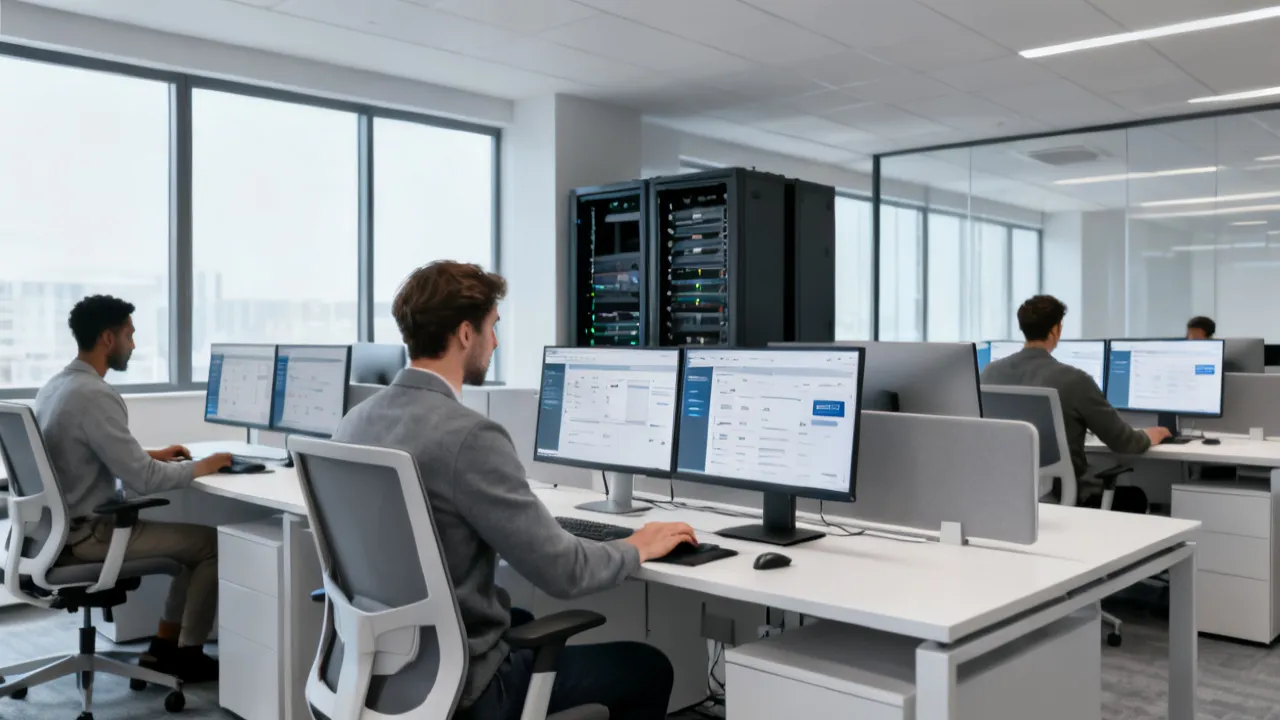
In the rapidly changing landscape of business operations, payroll systems have emerged as critical components for managing employee compensation. These systems are designed to automate tasks such as salary calculations, tax deductions, and benefits administration, thereby ensuring compliance with financial and legal standards. The evolution from manual ledger entries to sophisticated software solutions reflects the increased demand for accuracy and efficiency in modern workplaces.
The journey of payroll systems has been marked by significant advancements influenced by technological innovations and changes in the workplace environment. Initially, payroll was a labor-intensive task managed primarily by hand, requiring meticulous entries to guarantee accuracy in payments. Organizations relied heavily on accountants and bookkeeping staff to maintain these records, leading to potential errors and delays. As businesses grew, the complexity of payroll calculations, involving various salary structures, overtime, and benefits, made manual processes increasingly unmanageable, laying the groundwork for the development of automated systems.
As computer technology became widely adopted in the 1980s and 1990s, payroll systems began transitioning to software-based solutions. This shift not only streamlined payroll processing but also moved more work towards accounting software, ensuring that more accurate records were kept electronically. Innovations such as spreadsheets empowered small businesses to establish their payroll systems without the need for dedicated payroll departments, thereby democratizing access to effective payroll management tools.
Further advancements, including the introduction of cloud computing in the early 2000s, transformed payroll systems yet again. Cloud-based payroll systems enabled businesses to access their payroll data from anywhere, provided real-time processing capabilities, and alleviated concerns about storing sensitive data on local servers. The convenience, flexibility, and security offered by these platforms redefined how businesses approached payroll processing, and the integration of payroll with other HR systems began to take shape, enhancing operational fluidity across departments.
Today’s payroll systems offer a multitude of features that go beyond basic payroll processing. They include automation of timesheets, direct deposit functionalities, customized reporting, and integration with other business systems such as Human Resources Information Systems (HRIS). These features reduce manual errors and allow businesses to scale their operations seamlessly.
The primary advantage of a modern payroll system lies in its ability to automate complex calculations. Automated systems reduce the risk of human error in calculating salaries, deductions, and taxes. Additionally, they ensure timely remuneration, which is critical for maintaining employee satisfaction and trust. Automation also facilitates the collection and processing of employee data, including attendance and leave records, ensuring that compensation is based on accurate inputs.
Moreover, payroll automation supports real-time adjustments; for instance, when an employee changes their tax withholding status or enrolls in a new benefits program, the system can instantly reflect these changes without manual intervention. This immediacy not only preserves accuracy but also minimizes the administrative burden on HR teams, allowing them to concentrate on more high-value strategic initiatives.
Payroll systems are equipped to handle statutory compliance, adhering to the tax regulations and employment laws in specific jurisdictions. They provide businesses with timely updates and alerts about changes in tax laws, ensuring adherence to both federal and local standards. For example, systems can automatically update to reflect new tax rates or employment regulations, so payroll runs smoothly and accurately without the need for human oversight.
Moreover, the reporting function allows for detailed insights into financial outflows, aiding management in decision-making processes. Businesses can generate reports that provide insights into labor costs, overtime expenditures, and employee benefits utilization, giving stakeholders the information needed to evaluate and optimize workforce strategies effectively. These reports can also assist in budget forecasting and compliance audits, acting as invaluable tools for financial planning.
Selecting an appropriate payroll system depends on several factors, including the size of the organization, the complexity of its operations, and the geographical locations of its workforce. Businesses must assess their specific needs such as scalability, user-friendliness, and integration capabilities with existing systems before making a decision.
Additionally, understanding the organization's growth trajectory is vital. A payroll system that works well for a small company might not meet the demands as the business expands. Therefore, evaluating not just the current requirements but future necessities is crucial. This foresight ensures that the chosen system can handle increased employee numbers, additional benefits, or expanded compliance needs without requiring a complete overhaul later.
It is also beneficial to consider factors such as customer support, training availability, and user feedback when selecting a payroll system. Engaging with other businesses that have similar operational needs can provide practical insights into system performance and reliability. Most providers offer demo versions or trial periods, which can be leveraged to ascertain if the features align with organizational requirements before finalizing a purchase.
| Feature | Benefit | Considerations |
|---|---|---|
| Automation | Reduces manual errors and saves time. | Ensure system compatibility with existing infrastructure. |
| Compliance Management | Keeps the company aligned with tax and employment laws. | Regular updates to the system are necessary. |
| Scalability | Adapts to the growing size and complexity of the organization. | Evaluate the system's flexibility and potential future costs. |
| Direct Deposit | Streamlines payments and enhances employee satisfaction. | Check compatibility with employee banking needs. |
| Mobile Access | Enables payroll management on-the-go. | Verify security measures for mobile platforms. |
| Custom Reporting | Facilitates personalized insights into payroll data. | Ensure ease of use in the reporting tool. |
The integration of Artificial Intelligence (AI) and Machine Learning (ML) with payroll systems promises enhanced predictive capabilities and data analytics. These advancements will further personalize the user experience and optimization of payroll functions. For instance, AI can help predict payroll trends based on historical data and suggest adjustments needed to accommodate future business growth or changes in labor laws.
Moreover, as businesses navigate the complexities of hybrid workforces blending remote and on-site employees, payroll systems will need to adapt accordingly. Future systems may provide enhanced support for tracking employee performance across varying locations and arrangements, ensuring that compensation models are fair and equitable.
With the rise of gig economies and contract-based work, payroll systems will likely evolve to better support the unique needs of non-traditional employees. This could involve features that allow for flexible payment schedules, performance-based payouts, and streamlined onboarding processes for gig workers. By addressing the distinct challenges posed by this evolving workforce, payroll systems will remain a critical asset in managing compensation effectively.
Continuing innovations in digital wallets and cryptocurrency may also begin to shape payroll systems, allowing for more flexible payment options. Organizations may explore the viability of issuing payments in non-traditional currencies or providing bonuses in cryptocurrency, further modernizing the payroll experience.
The main benefits include increased accuracy in payroll processing, automation of tedious tasks, compliance with tax laws, improved reporting, and often a reduction in labor-related costs. By shifting to a payroll system, businesses can also enhance employee morale as payments become more predictable and timely.
Yes, there are payroll system solutions catered specifically for small and medium-sized enterprises (SMEs) which are cost-effective and easy to implement. Organizations should compare different providers to find the very economical option that fits their needs. Many systems now operate on a subscription basis, reducing upfront costs and allowing businesses to pay only for the features they need.
Cloud-based payroll systems offer robust security features, including encryption and regular security updates, making them a secure choice for handling sensitive employee data. Cloud providers often invest heavily in cybersecurity measures that individual businesses may find financially prohibitive, thereby enhancing overall data integrity and security for payroll information.
Payroll systems should be regularly updated to comply with current tax legislation and integrate technological advancements. Many providers offer automatic updates to ensure the system remains optimal and compliant. Regular updates can also include improvements based on user feedback, security patches, and enhancements to the user interface that improve overall experience and effectiveness.
Transitioning to a new payroll system can present several challenges, including resistance to change from employees, data migration issues, and temporary disruption in payroll processing during the switch. To mitigate these concerns, thorough training should be provided, and clear communication regarding the reasons for the change and its benefits should be emphasized. Consideration should also be given to phased implementation, allowing for gradual adjustments as employees acclimate to the new system.
In conclusion, payroll systems are indispensable tools in modern business environments, offering both efficiency and compliance in managing employee compensation. By selecting the right system tailored to an organization's needs, businesses can improve their operational efficacy and focus more on strategic growth initiatives. The continuing evolution of payroll systems, driven by technological advancements and changing workforce dynamics, will likely provide even greater opportunities for organizations to streamline their processes and enhance employee satisfaction in the future.
Striking the Perfect Balance: Navigating Premiums and Out-of-Pocket Expenses in Senior Insurance Plans

Explore the Tranquil Bliss of Idyllic Rural Retreats

How to Make Lasting Memories at Disneyland Attractions

Affordable Phones and Plans for Seniors

Affordable Full Mouth Dental Implants Near You

Unlock the Top Kept Secrets to Finding Your Ideal Dentist for Flawless Dental Implant Results!

Discovering Springdale Estates

Unveiling RS Sul Telecom Services

The Guide to Car Trading

Unveiling RS Sul Telecom Services
RS Sul Telecom emerges as a prominent entity in the telecommunications industry, providing reliable services across various regions. This article delves into the offerings of RS Sul Telecom, the benefits it presents to both individual and business clients, and its impact on the modern telecom landscape.

Understanding Rlock Advpl in Business
Rlock Advpl represents a pivotal advancement in business software solutions, offering enhanced security and efficiency for enterprise resource planning systems. This article delves into the intricacies of Rlock Advpl, its application in modern businesses, and the benefits it offers in streamlining operations and safeguarding data. As an expert tool, Rlock Advpl is essential for businesses looking to optimize their IT infrastructure.

Unveiling Atranet Innovation
Atranet represents a cutting-edge concept in networking technology. Harnessing its capabilities can transform digital communication by providing seamless connectivity. Designed to optimize data transfer, security, and efficiency, Atranet is shaping the future of how we connect and share information. This article delves into its structure, applications, and potential impacts on industry practices and consumer experiences.

Understanding Polysulfide Adhesive Applications
This comprehensive guide explores the applications and benefits of polysulfide adhesive, highlighting its unique properties and widespread use in construction, aerospace, and automotive industries. Known for its flexibility and resistance to various environmental factors, polysulfide adhesive is a key component in sealing and bonding applications, providing durability and reliability in demanding conditions.
Comparing Vtex with Salesforce Commerce
This article provides an in-depth comparison between Vtex and Salesforce Commerce, two leading digital commerce platforms. Each offers unique features suited to different business needs. Vtex is renowned for its collaborative commerce approach, while Salesforce Commerce shines with its comprehensive customer relationship management capabilities. Explore their differences, strengths, and insights from industry experts.
Understanding the Latest Chrome Version
This article delves into the intricacies and features of the latest Chrome version. Chrome, developed by Google, is one of the very popular web browsers globally, known for its speed, simplicity, and security features. Each update aims to enhance user experience through improved functionality and performance. Understanding these updates is crucial for both everyday users and developers.