This guide explains how to evaluate Vehicle Availability and buy a cheap car on sale without sacrificing safety or reliability. It outlines what “availability” really means in dealership inventories, why listings change quickly, and how to compare offers across official marketplaces. You’ll also find a practical checklist for screening listings, verifying vehicle history, and negotiating transparently using reputable sources such as cars.com, Carmax, Caronsale, and Autotrader.

When shoppers talk about Vehicle Availability, they usually mean more than “are cars listed?” In practice, it’s about whether the specific model, trim, mileage, and condition you want can be located—and can be purchased within your timeline. For anyone trying to secure a cheap car on sale, availability determines pricing power: the longer an inventory sits unsold, the more likely listings may be adjusted, discounts may appear, or financing terms may become competitive. The very effective strategy is to treat availability as a dynamic variable you actively manage—checking, verifying, and comparing before you commit.
In other words, availability is not just a “yes/no” state. It’s a moving target that depends on how quickly dealers process paperwork, how fast reconditioning is completed, how inventory is shipped between lots, and how consumer demand shifts. A car that looks like a bargain may be “available” in the sense that the ad exists, but not “available” in the sense that the dealer can actually hand you keys today. If you’re trying to buy on sale, you want to align your actions with what’s truly ready—because your leverage depends on the reality behind the listing.
From an industry perspective, Vehicle Availability is the intersection of three systems: (1) inventory management, (2) listing accuracy, and (3) buyer demand. Even when a platform shows a vehicle “for sale,” the car’s status might still change due to inspections, recon reconditioning, title processing, transport logistics, or pending sale. Therefore, your buying decision should be anchored to confirmation steps—especially when you’re targeting the “on sale” segment for lower pricing.
It also helps to understand what availability can look like on the dealer side. Inventory management systems often classify a car through several stages such as: incoming (in transit), inspected, ready for photos, priced, available for appointments, pending buyer hold, and finally delivered or sold. Online listings may update at different times than the internal system. That mismatch is why you can sometimes see a “for sale” vehicle that suddenly disappears from the page—or why a dealer may say a car is available, but only after it finishes a reconditioning job that could take days.
Therefore, your definition of availability should include not only whether the car exists in inventory, but also whether it is in a condition that supports the advertised price. If a listing indicates “on sale” pricing, your job is to confirm that the vehicle is truly ready at that discount level, and that nothing is pending that would later inflate the effective cost.
In very markets, “cheap” doesn’t usually mean “randomly underpriced.” Instead, lower purchase prices often reflect one or more of these conditions:
The practical takeaway: your goal is not simply to find a low sticker price; it’s to find the lowest total cost for ownership that fits your usage, risk tolerance, and budget.
This is also why availability matters so much. If a dealer reduces price to move a vehicle, the discount is often tied to how quickly they need it off the lot. If that car can’t be finalized due to recon or paperwork, the dealer may not actually be able to honor the “cheap” deal at the moment you want. Your job is to match your timeline with the car’s true readiness so your savings are real—not just hypothetical.
To evaluate Vehicle Availability effectively, start with reputable, high-traffic marketplaces that typically integrate inventory feeds from dealers. Below is a comparison table of major official online destinations where you can search for vehicles on sale and cross-check availability.
| Platform | Primary role |
|---|---|
| cars.com | Broader marketplace listings and dealer inventory search |
| Carmax | Dealer-style pre-owned inventory with a standardized buying experience |
| Caronsale | Vehicle listing marketplace for finding cars on sale |
| Autotrader | Marketplace listings enabling comparisons across sellers |
source: www.cars.com; www.carmax.com/cars; www.caronsale.com/en; www.autotrader.com
Use these platforms as “discovery tools.” Then shift to “verification tools” (vehicle history, service records, inspection requirements, and dealer confirmation) before negotiating.
To make this approach more effective, treat each platform as a different lens. Some sites show more detailed listing metadata, such as mileage, photos, and status indicators. Others might show a wider range of dealers and private sellers. The key is not where you find the car first; the key is how quickly you verify that what you found is actually purchase-ready.
You can also build a “availability map” using your shortlist. If the same VIN appears across multiple sites or the same dealer’s listings are updated frequently, it often signals that the inventory is being processed actively. Conversely, if listing details look stale—such as unchanged photos and unchanged “available” status for a long time—that can indicate the car has been sitting or may not be truly ready. Both cases may create negotiation opportunities, but they should affect your offer and your timing.
Below is a step-by-step guide designed to help you convert Vehicle Availability into real purchase leverage—especially when targeting on-sale inventory.
Start with a strict cap on total cost, not only purchase price. Include:
This prevents the common trap: a “cheap” listing that becomes expensive after taxes, fees, and near-term repairs.
To improve accuracy, consider building a simple “month-by-month reality check.” For example, if you’re buying a vehicle near a known service interval (like timing chain checks, transmission service, brake refresh, coolant change, or tire replacement), your short-term maintenance expectation should be reflected in your cost ceiling. Buyers often negotiate based on the sticker price, but the real savings is the difference between your expected total cost and the dealer’s total. Availability affects the purchase price, but your ownership costs are what determine whether the deal is truly cheap.
It also helps to define whether you’re optimizing for lowest monthly payment or lowest overall outlay. A car can be discounted but financed in a way that reduces your “real” savings. Or a car can appear cheap due to a trade-in requirement. Availability can influence financing terms too, because dealers may promote certain inventory to meet monthly goals, which can lead to more favorable rates—or sometimes to less favorable rates if the lender or program is constrained.
In practice, the top “cheap car on sale” deals often show up when you filter for:
Think like an inventory manager: if supply is abundant relative to demand, the price becomes more negotiable.
However, “discounting signals” should not be confused with “red flag signals.” Availability can make a car cheaper even when it’s perfectly healthy. But availability can also hide problems that take time to fix. Your filtering step should therefore be paired with verification later. At this stage, the goal is to identify candidates likely to be discounted. Later, you’ll identify which candidates are discounted for benign reasons (like color or season) versus serious reasons (like mechanical faults or title complications).
In addition to the filters on typical marketplaces, you can use subtle listing clues. For example:
Use these clues to form a shortlist, but don’t assume. You still need confirmation.
Vehicle Availability can change without notice. Confirm:
Ask for a direct confirmation in writing (email or dealer portal) to avoid misunderstandings.
Verification should be fast because low-priced inventory often attracts attention. If you wait too long, the deal may disappear. A practical workflow is to contact the dealer within 15–30 minutes of finding the listing (or as soon as your schedule allows) and ask a small set of targeted questions. This prevents the common “message ping-pong” that wastes time and may cause you to miss the best window.
When you message, include the VIN and ask specific questions such as:
Clear questions often lead to faster answers. If the dealer responds vaguely, it may indicate that the process behind the scenes is not stable, which affects your confidence and your negotiating position.
A “deal” should be supported by documentation. Request:
If documentation is thin, your discount should be smaller—or your offer should reflect the uncertainty.
It’s useful to distinguish between “missing information” and “no issues.” A car can be undervalued because it has no service records, even if it has been maintained well by a careful owner who simply didn’t keep paperwork. But it can also be undervalued because it has unresolved issues. Documentation helps you decide which scenario is more likely.
In many markets, vehicle history reports can help you understand accident claims, ownership history, and sometimes title issues. But history reports are not perfect. A meaningful strategy is to cross-check: use the report as a baseline, then confirm with inspection and service documentation, and finally verify that what you’re told matches the car you see.
Also, consider asking about the “reason for the sale” from the dealer (e.g., trade-in, end-of-lease, off-rent fleet, repossession, etc.). While dealers may give varying answers, a consistent explanation often aligns with actual paperwork. Inconsistent explanations can be a signal that you should proceed carefully.
When you’re chasing Vehicle Availability for a low price, inspection quality matters more, not less. Use a structured approach:
This turns “on sale” into a measurable evaluation instead of an emotional purchase.
To make your inspection more productive, build a checklist that matches the type of bargain you’re shopping for. For example:
Even if a dealer advertises “certified” status or thorough inspection, you should still consider a pre-purchase inspection through an independent mechanic if your budget allows. The reason is that independent inspections can reveal patterns of wear that sellers might not flag.
If the dealer won’t allow an independent inspection or won’t disclose key records, that becomes a negotiating factor. You may either walk away or reduce your maximum offer. A cheap car is not a cheap car if it requires urgent work you didn’t plan for.
Negotiation works top when you anchor to verified comparables (same model, similar mileage, similar condition). From an expert standpoint, a strong offer does three things:
To strengthen your negotiation, calculate a “risk-adjusted offer.” This means you don’t just ask for the average discount. You ask for a discount large enough to cover the realistic uncertainty you’ve identified. For example:
This approach makes your offer coherent. Instead of saying, “I want it cheaper because it’s cheap,” you say, “Based on these verified conditions and comparable sales, plus the near-term maintenance I expect, this is the maximum number that makes sense for me.”
Also, remember that dealer pricing strategies vary. Sometimes the “on sale” number is already near the dealer’s floor price. In that case, negotiation may not lower the cost much, but it can still improve the deal by removing add-ons, lowering doc fees where negotiable, or adjusting warranties to fit your preferences. If your negotiation can’t reduce the purchase price, it can still improve the out-the-door total.
Cheap car shopping often fails at the last step. Make sure your total out-the-door figure includes all mandatory fees and taxes, and that any added products (warranties, protection plans) match your priorities.
“Out-the-door” is where real savings live. Two cars with identical advertised prices can produce different totals based on local taxes, registration fees, doc fees, and finance-related add-ons. A listing that seems cheap might actually become less favorable after you account for everything.
Practical tip: ask for an itemized worksheet. Require the dealer to show the breakdown of:
This prevents common surprises. It also gives you negotiation leverage: if the dealer refuses to provide clear breakdowns, it’s a sign you should slow down.
Even well-maintained vehicles need predictable upkeep. Build a short list of “first 30–90 day” actions based on the car’s service history, so you don’t unintentionally erase the savings you worked to secure.
Many buyers treat the purchase as the finish line. But when you buy a “cheap on sale” vehicle, you should treat the purchase as the start of a short planning window. For instance:
When you plan, you protect your deal. If you didn’t plan, you may end up spending unexpectedly and losing the savings you thought you secured.
It’s also wise to get your own baseline diagnostic scan after purchase. Some dealers remove error codes or clear certain alerts during recon. A scan can reveal stored history that helps you plan maintenance and avoid sudden failures.
To keep the process realistic, you should treat cheap-car buying as a set of requirements. The table below frames common conditions and what to do about them.
| Condition/Requirement | Why it matters for Vehicle Availability and price | Recommended action |
|---|---|---|
| Vehicle is “available now” | Reduces risk of price changes or sale before checkout | Request a VIN-confirmed hold and confirm purchase timeline |
| Disclosed accident or repair history | Impacts good value and safety confidence | Request repair documentation and consider a specialist inspection |
| Service records completeness | Lower records often correlate with unknown maintenance gaps | Adjust offer price and prioritize early maintenance |
| Inspection access | Limits your ability to confirm condition before purchase | Schedule a pre-purchase inspection whenever possible |
| Financing vs. cash difference | Availability promos may apply only to certain financing programs | Compare total costs for financing and cash; request full rate details |
| Dealer add-ons and protection plans | Can inflate out-the-door price despite a low advertised cost | Confirm which products are required vs. optional before signing |
Note: This framework helps you keep your negotiations consistent even when online listings update quickly.
One way to keep this consistency is to create a simple scorecard for each vehicle on your shortlist. You can rate aspects like documentation quality, tire and brake condition signals, accident disclosure severity, and clarity of availability. Then you decide which vehicles deserve negotiation time. Vehicles that score low on availability certainty or inspection access may not be worth the effort even if the sticker price is attractive.
While the four platforms listed earlier share the common goal of connecting buyers to cars on sale, their workflow influences how effectively you can track Vehicle Availability.
To get the most out of marketplaces, you can adopt a workflow that reduces wasted effort:
In practice, the best “cheap car on sale” deals often disappear quickly once a listing is verified. Marketplace discovery can be broad, but your verification needs to be narrow and fast.
Also, because inventory feeds can sometimes lag behind actual status, it’s helpful to compare the listing status wording. For example, some listings might say “available,” while others indicate “in stock,” “in transit,” or “contact dealer.” Each phrase suggests a different probability that you can buy immediately. Align your actions with those differences.
Even experienced shoppers can get derailed by mistakes that contradict how Vehicle Availability really behaves.
Another subtle mistake is treating the listing photos as proof of condition. Photos can be misleading due to lighting, angles, or even updated images taken before wear increased. The more correct approach is to assume photos are only a starting point, then validate using inspection and diagnostics.
Finally, avoid the “deadline trap.” Some buyers panic when they’re pressed by employment schedules, school calendars, or upcoming travel. In that context, they may accept a vehicle that is “available soon” but not actually within their deadline. If the car can’t be delivered when you need it, you can end up with additional rental costs or forced financing decisions. Availability should match your practical timeline.
Vehicle Availability refers to whether the exact vehicle you want is currently accessible for purchase (including its current inventory status, timing, and documentation readiness). It’s not only whether a listing exists online, but whether the seller can finalize the transaction based on the car’s current state.
Use a risk-adjusted process: verify VIN and current status, request vehicle history or disclosure materials, and complete a pre-purchase inspection. Treat price as a starting point, then adjust your offer based on condition evidence and required near-term maintenance.
No. Inventory feed changes and seller updates can differ by platform. For stronger accuracy, cross-check your shortlist across multiple listings and confirm directly with the seller before negotiations.
Because dealership inventory moves through reconditioning, paperwork, and buyer holds. Demand, transport timing, and internal processing can change a vehicle’s status rapidly—so quick confirmation matters when the goal is to buy at a favorable “on sale” price.
Compare similar vehicles, anchor your offer to verified condition and documentation, and clarify every cost line item before signing. Ask how fees and add-ons are calculated so you can negotiate based on total cost rather than only the advertised price.
Marketplace prices are helpful for discovery, but they can change. Always confirm the final number with the seller and verify that the listing details match the car’s VIN and current paperwork status.
As quickly as possible—ideally within the same day you find it. Cheap inventory often attracts fast attention. If you wait multiple days, the vehicle may move into a pending state, be re-priced, or be removed after a buyer holds it.
If the purchase price is firm, negotiate the parts that still affect your total cost—like removing or reducing add-ons, adjusting warranty coverage you don’t need, or correcting fee items. You can also request minor recon work to be completed before delivery if that work is realistically identified by inspection.
Usually yes, unless the timeline fits your needs. A car that’s truly available now reduces risk and keeps your leverage intact. A car that’s cheaper but not deliverable soon can lead to missed transportation, insurance timing delays, or last-minute financing changes.
Not always. Higher mileage can reduce sticker price, but it can also increase near-term wear costs. The “best deal” is the one where the condition and documentation justify the mileage band, not simply the one with the lowest advertised cost.
Ask for the vehicle history report/disclosure packet (where applicable), service records if available, and any recon/inspection notes. If there are accidents or repairs, request details on the scope of work, parts used, and whether repairs were performed to OEM or equivalent standards.
Yes. A respectful approach is to focus on facts and readiness: you can say you’re ready to move forward if the vehicle is available within your timeline and if documentation and inspection confirm the condition you’re expecting. This frames negotiation around alignment and risk reduction rather than conflict.
1) The above information comes from online resources, and the data is as of October 2023. 2) For more information, please refer to the official website.
References & Links:
Striking the Perfect Balance: Navigating Premiums and Out-of-Pocket Expenses in Senior Insurance Plans

Explore the Tranquil Bliss of Idyllic Rural Retreats

How to Make Lasting Memories at Disneyland Attractions

4rkojvsx Technology: Industry Insights and Buying Guide

Affordable Phones and Plans for Seniors

Affordable Full Mouth Dental Implants Near You

Unlock the Top Kept Secrets to Finding Your Ideal Dentist for Flawless Dental Implant Results!

Discovering Springdale Estates

Unveiling RS Sul Telecom Services


The Guide to Car Trading
This comprehensive guide explores the dynamics of car trading through the lens of organizational culture theories by Cameron & Quinn. With a focus on how these theories influence business operations and consumer behavior in the car trading industry, this article also introduces platforms where vehicles are commonly traded. Considered resources like Autotrader and Carmax, ensuring access to up-to-date car listings and information.

How to Buy Quality Used Cars Affordably
Buying a used car can be an excellent way to save money while still obtaining a reliable vehicle. However, it requires careful planning and informed decision-making to ensure that you get the best deal without compromising on quality. This guide will walk you through the essential steps to buy a quality used car affordably, covering key considerations and strategies.
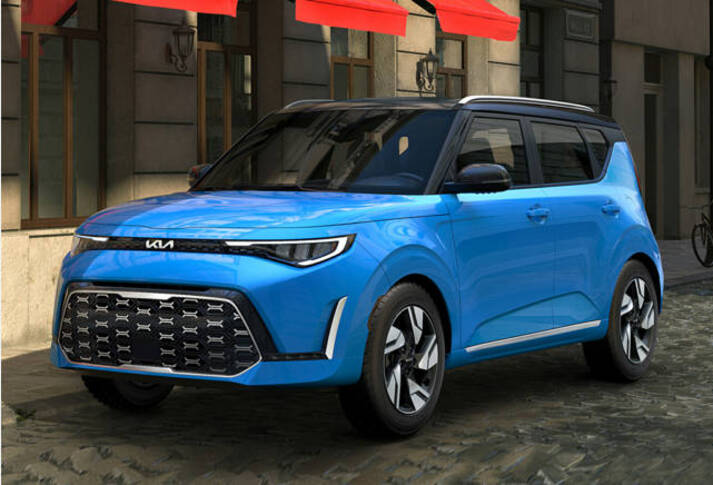
Choosing the Perfect Economical SUV for the Elderly
Selecting an economical SUV for seniors involves considering affordability, comfort, and safety. This guide offers valuable tips to help older adults find their ideal vehicle.

How to Buy a Camaro on Sale: Expert Guide
This guide explains how to research, compare, and purchase a Chevrolet Camaro on sale using reputable online car marketplaces. In objective terms, “Camaro” refers to a long-running American performance model whose pricing varies by trim, model year, condition, and demand. Consumers typically compare inventory across dealers, certify vehicle history, and verify total out-the-door costs before committing.

Driving into the Future: Electric Cars for Seniors and Their Benefits
In today's world, electric cars offer seniors numerous benefits. This guide provides advice and tips to help seniors transition to electric vehicles seamlessly.

Maximizing Medicare Benefits for Senior Mobility Scooter Users
As the population ages, the importance of ensuring senior citizens retain mobility and independence becomes increasingly critical. For many seniors who have limited mobility, mobility scooters serve as a vital tool for enhancing quality of life. However, understanding how to maximize Medicare benefits for mobility scooter usage can be complex. This article aims to provide an overview of how seniors can navigate Medicare provisions to make the most of their mobility assistance devices.
