The Shogun Assassination Arc is a pivotal narrative in the acclaimed anime series "Gintama," showcasing intense political upheaval and character development. Set in a fictional Edo period, the arc explores themes of loyalty, betrayal, and the complexity of power dynamics. This analysis delves into its impact on both the storyline and the audience, revealing why it remains a beloved and talked-about part of the series.
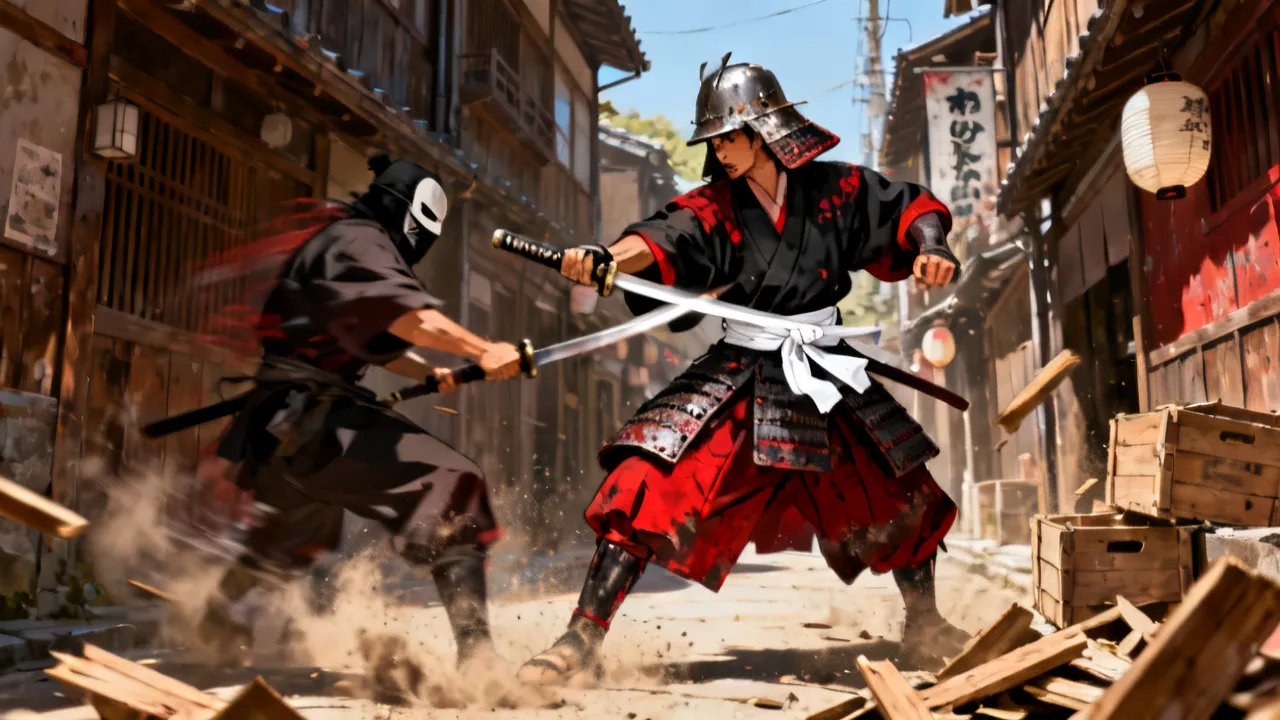
The Shogun Assassination Arc stands as one of the very significant storylines in the popular anime "Gintama." Known for its witty humor and satirical take on samurai culture, "Gintama" captivates audiences with a blend of comedy, action, and drama. However, it is during the Shogun Assassination Arc that the series takes a darker, more intense turn, exploring deeply resonant themes of loyalty, betrayal, and political intrigue. This dramatic shift not only plays a pivotal role in character development but also serves as a lens through which sociopolitical issues can be examined, making the arc an essential focal point for both fans and scholars of the genre.
Set in a fictional version of Edo Japan, the anime paints a world where the samurai class struggles under the rule of a corrupt government. With the rise of foreign powers and a crumbling status quo, the landscape of labor, honor, and traditional values is increasingly fraught with tension. The introduction of this arc marks a shift from light-hearted episodic adventures to a narrative filled with high-stakes political drama. The central plot follows the characters' involvement in a conspiracy to assassinate the Shogun, showcasing their moral dilemmas and loyalties put to the test under intense pressure. The historical fabric, which includes elements of the samurai’s bushido code, is carefully interwoven into this narrative, creating a rich tapestry of conflict and emotion.
The Shogun Assassination Arc is more than a mere plot device; it serves as a critical juncture for character development. Protagonists like Gintoki Sakata face difficult decisions that challenge their values and friendships. This arc not only deepens character backstories but also intertwines their personal struggles with the broader political turmoil, offering viewers a complex and layered storytelling experience. With Gintoki at the helm, the plot often elevates the tension, forcing characters to confront not just their enemies but their own pasts. In this light, characters such as Katsura, Hijikata, and even the Shogun himself receive significant arcs that transform them, reflecting the broader themes of morality versus duty.
The arc delves into several themes that resonate deeply with audiences. Themes of loyalty and betrayal are explored as characters navigate a web of political intrigue capable of undermining even the strongest bonds. The tension between duty and personal morals is palpable, providing a rich commentary on leadership and honor within the difficult landscapes of feudal and fictional Japan. Moreover, concepts of identity and belonging emerge as characters grapple with their roles not just as warriors but as individuals with their own motivations, desires, and fears. Through these themes, "Gintama" manages to capture the universal struggle between personal convictions and societal expectations, marking a profound narrative exploration.
The Shogun Assassination Arc is praised not only for its intense and gripping storyline but also for the emotional depth it brings to the series. Viewers have lauded it for its balance of action and dramatic intensity, setting it apart as one of the standout arcs in "Gintama." The character dynamics, particularly the friendships and rivalries that emerge, receive considerable attention. By incorporating elements of traditional samurai honor in a modern narrative, the arc skillfully maintains the cultural nuances that attract both anime enthusiasts and newcomers to the genre. Social media platforms and anime forums buzz with discussions and analyses of the various layers present in this arc, showcasing its lasting impact on the community and the medium.
To help encapsulate the arc’s complexity, let's explore some of the crucial elements that define its impact:
| Element | Description |
|---|---|
| Political Intrigue | The storyline navigates the intricacies of power and rebellion, challenging characters to remain steadfast in the face of corruption. The layers of conspiracy woven throughout the narrative also serve to reflect real-world historical tensions... |
| Character Arcs | Character development reaches new heights, with past traumas and future uncertainties explored in depth. Gintoki's internal struggle becomes emblematic of the broader disillusionment with leadership prevalent in the arc. |
| Cultural Impact | The anime’s portrayal of feudal dynamics offers a glimpse into the cultural and historical essence of the Edo period. Themes of honor, duty, and the samurai ethos resonate in ways that are both compelling and educational. |
| Visual and Aesthetic Elements | The animation style shifts subtly during the arc, emphasizing emotional weight and the gravity of the situation. The use of color, lighting, and framing showcases the darker undertones of the story. |
| Humor | Evidently, despite the heavy themes, "Gintama" retains its characteristic humor. The comedy acts as a counterbalance, providing moments of levity that serve to enhance the emotional stakes of dramatic events. |
Gintoki Sakata, the series' protagonist, serves as a focal point throughout the Shogun Assassination Arc. Throughout the arc, viewers witness a profound transformation in Gintoki's character, who evolves from a carefree, humor-laden individual to a deeply introspective leader faced with challenges where he must assess his morals and convictions. The narrative juxtaposes his initial flippancy with the gravity of his role in the conspiracy against the Shogun. His motivations—rooted in personal loss and betrayal—emerge, shedding light on why protecting comrades remains paramount to him.
In moments of confrontation, Gintoki embodies strength with vulnerability. This complexity allows the audience to resonate with him on a profoundly personal level. Engagements with supporting characters provide multi-layered interactions, where friendships are tested, and true intentions are unveiled. For instance, the interactions between Gintoki and Katsura show a delicate balance between trust and skepticism, paralleling broader themes of loyalty found throughout the arc.
The supporting cast plays crucial roles in the development of the Shogun Assassination Arc, each contributing to the overarching narrative with their unique perspectives and histories. Characters like Katsura, Hijikata, and the Shogun himself bring additional layers of emotional weight, illustrating the varied experiences of individuals caught in the machinations of political intrigue.
Katsura, Gintoki's long-time friend and ally, embodies the struggle between idealism and realism. His commitment to the assassination plot stems from a deep-seated desire to bring about change in a corrupt system. The philosophical discussions between him and Gintoki highlight the differences in their ideologies, which are pivotal in understanding the moral quandaries faced by the protagonists. Katsura's journey is equally compelling as he grapples with his identity and purpose, revealing the conflict between his goals as a leader and the emotional weight of risking the lives of his comrades.
In contrast, Hijikata represents the fierce loyalty of the Shinsengumi, an elite police force burdened with the task of maintaining order amidst chaos. His dedicated pursuit of justice is mired in personal sacrifice and strong connections with those around him. The dynamic between Hijikata and his subordinates showcases the stark realities of loyalty under duress, creating a gripping commentary on the burdens carried by those in power. His character development is intricately tied to the storyline, revealing the shades of gray in what it means to serve a system that is fundamentally flawed.
Even the Shogun, traditionally viewed as a figurehead, is given depth throughout this arc. His portrayal challenges the archetype of the corrupt leader, showcasing moments of vulnerability and an earnest desire to protect those he rules. This complexity heightens the drama within the narrative, pushing characters like Gintoki to reassess their motives and the broader implications of their actions. The Shogun's interactions with key characters create a moral labyrinth where the lines between right and wrong blur, forcing each character to make harrowing choices that define the essence of their beings.
One cannot discuss the Shogun Assassination Arc without noting the notable changes in visual storytelling. As this arc delves deeper into darker tones and serious subject matter, a transformation in animation style reflects the intense emotions exhibited by the characters. The use of shadowing and light creates a stark contrast between moments of calm and the bursts of violence that punctuate the narrative. This aesthetic choice is vital in amplifying the gravity of the characters' decisions and the consequences they must face.
Moreover, colors are employed strategically, with colder colors dominating scenes of conflict. In moments of tension, the animation draws viewers into the emotional turmoil that the characters experience. Enhanced animation techniques elevate action sequences, providing a more visceral experience as viewers are immersed in the high-stakes atmosphere present throughout the arc. This treatment not only enhances the viewing experience but also underscores the gravity of the storyline, making the commentary on political and social themes more impactful.
Despite the overarching tension and emotional weight, "Gintama" retains its hallmark humor even in the Shogun Assassination Arc. This delicate balance of comedy and drama serves to enrich character dynamics, offering viewers moments of relief amidst the chaos. Comedic timing, witty banter, and absurd encounters allow for unexpected enjoyment, challenging the notion that serious narratives must remain devoid of lighthearted moments.
For example, interactions between Gintoki and his friends bring levity to dire circumstances, often showcasing their knack for comedy even when grappling with dire issues such as loyalty and betrayal. These comedic interludes serve as reminders of their humanity and camaraderie, often reiterating that even in the most challenging times, the bonds formed through laughter and friendship can offer solace.
The Shogun Assassination Arc significantly influences the overall trajectory of the "Gintama" series, marking a transition towards more profound storytelling. Themes introduced in this arc set the groundwork for character developments in subsequent arcs, redefining dynamics and relationships that had previously been established. Issues relating to loyalty, justice, and personal conviction reverberate, creating a rich narrative tapestry that keeps viewers engaged and invested long after the arc has concluded.
Fans and critics alike often cite this arc as a turning point for the series, where it demonstrates the potential of anime to tackle complex themes while still retaining its signature humor. It elevates the bar for episodic action series, pushing the envelope in terms of character depth and emotional resonance. The impact of this arc is evident in how it serves as a reference point for discussions about storytelling in anime, inspiring future creators. Discussions about politics, personal sacrifice, and the struggle between individual desires and societal needs continue to be relevant, thereby securing the Shogun Assassination Arc’s place in anime history.
Q: What makes the Shogun Assassination Arc stand out?
A: Its unique blend of action, drama, and strategic storytelling distinguishes it as an unforgettable part of the "Gintama" series, with its complex character dynamics and rich thematic explorations enhancing its narrative depth.
Q: How does the arc contribute to the main storyline?
A: It acts as a pivotal point in the overarching narrative, bringing essential backstories to light and setting the stage for future conflict resolutions. This transition allows character arcs to deepen, enriching the viewer's understanding of their motivations and relationships.
Q: Are there cultural references specific to Japan’s Edo period?
A: Yes, the setting and samurai code reflect Edo period themes, presenting culturally rich content that resonates with historical elements. The anime uses these references to explore the complexities of honor and ethics within the confines of feudal Japan, allowing viewers to connect historical context with contemporary issues.
Q: How do the themes in the Shogun Assassination Arc resonate with contemporary issues?
A: The themes of loyalty, betrayal, and moral ambiguity speak to universal and timeless issues found in society. The challenges between personal values and societal expectations mirrored in the arc reflect ongoing discussions about integrity and ethics in leadership, making the narratives relevant across time and cultural barriers.
Q: What role does humor play in the Shogun Assassination Arc?
A: Humor serves as a necessary counterbalance to the heavy themes, providing levity amidst the drama. It reinforces character relationships and often highlights the absurdity of extreme situations, reinforcing the idea that friendship and laughter can persevere even in chaos.
In conclusion, the Shogun Assassination Arc stands as a testament to "Gintama's" ability to weave profound narratives within an anime format. Its meticulous construction of character arcs, alongside a dense political framework, provides viewers with an intricately layered viewing experience that is both educational and emotionally engaging. From its historical nods to its contemporary resonance, the legacy of this arc continues to thrive in the community, inviting analysis and admiration well beyond its original airing. The confluence of humor, action, and serious socio-political commentary makes it not just a hallmark of anime storytelling but an everlasting symbol of narrative possibility.
Striking the Perfect Balance: Navigating Premiums and Out-of-Pocket Expenses in Senior Insurance Plans

Explore the Tranquil Bliss of Idyllic Rural Retreats

How to Make Lasting Memories at Disneyland Attractions

Affordable Phones and Plans for Seniors

Affordable Full Mouth Dental Implants Near You

Unlock the Top Kept Secrets to Finding Your Ideal Dentist for Flawless Dental Implant Results!

Discovering Springdale Estates

Unveiling RS Sul Telecom Services

The Guide to Car Trading


Understanding Lato Sensu Education
Lato Sensu is a term used to describe a type of specialized education, typically in the context of postgraduate studies. It emphasizes a flexible, broad approach to learning compared to more narrowly defined courses. This article delves into the significance, scope, and benefits of Lato Sensu programs, particularly how they cater to professionals seeking career advancement.

Unlocking the Secrets of Wizard Lessons
Wizard Lessons offer a glimpse into the mystical world of magic, providing structured learning experiences for aspiring wizards. These lessons cover various aspects of magic, from spell casting to potion making, and are deeply rooted in both tradition and evolving magical practices. Aspiring wizards can delve into these teachings to enhance their magical prowess and understanding of the enchanted arts.

Understanding Lato Sensu Courses
Lato Sensu refers to postgraduate courses offering specialized education, often linked to practical experiences and professional enhancement. These programs emphasize advanced learning tailored to students' chosen fields, with flexible formats to accommodate diverse educational goals and local contexts. This article explores the significance, structure, and advantages of Lato Sensu programs for aspiring professionals.

Understanding Lato Sensu Education Courses
Lato sensu education courses are specialized postgraduate programs offering practical skills and knowledge in specific fields. Distinct from stricto sensu programs focusing on academic research, lato sensu courses are typically shorter and professionally oriented, making them attractive to those seeking career enhancement. This article delves into the intricacies of lato sensu education, exploring its benefits, structure, and global perspective.

Understanding PECB AAT Certifications
This article offers an in-depth analysis of PECB AAT certifications, renowned for providing a standardized framework for auditing, assessment, and training in various professional sectors. It highlights the importance of these certifications in ensuring industry compliance and enhancing career opportunities. From certification pathways to FAQs, explore how these qualifications uphold standards and elevate expertise in their fields.

Understanding Lato Sensu Education
This guide explores the essential aspects of Lato Sensu programs, which are critical post-graduate courses focusing on specific professional skills enhancement. Typically found in Brazilian education, these programs differ from Stricto Sensu courses by emphasizing practical skills over theoretical research. The article analyzes the elements critical to choosing a Lato Sensu course, such as institution reputation, course content, and potential career outcomes.