This article explores the concept of Silogism, a form of reasoning established through deductive logic. Originating from Aristotle's philosophies, Silogism involves structuring arguments by deducing conclusions from two given premises. Understanding Silogism offers valuable insights into logical thinking patterns and strengthens critical analysis skills applicable in various fields of study.

Silogism, derived from the Greek term "syllogismos," meaning deduction, is a systematic approach to reasoned argumentation. It was developed by Aristotle, often hailed as the father of logic. Silogism exemplifies deductive reasoning where a valid conclusion flows logically from two premises. Typically, a general statement (known as the major premise) is paired with a more specific assertion (the minor premise) to conclude. This method of reasoning is not only fundamental to logic but also offers a clear framework through which individuals can assess the validity of various arguments across multiple disciplines. By establishing clear premises, reasoning becomes a structured approach to inquiry, guiding us to sound conclusions based on the evidence presented.
Aristotle's Silogism serves as the foundational stone for logical deduction, forming the basis of Western logical traditions. Its structure is pivotal in academic settings, legal discourse, and everyday decision-making, promoting clear, analytical thinking. For instance, in formal logic, Silogism might be expressed as:
Major Premise: All humans are mortal.
Minor Premise: Socrates is a human.
Conclusion: Therefore, Socrates is mortal.
This structure rigorously tests the validity of the connection between premises and their conclusion, shaping a disciplined approach to deductions. The simplicity of this format belies its power; by using categorical statements, one can derive conclusions that are universally applicable. This fundamental aspect of Silogism means that when premises are true, conclusions must also be true, assuming the logical form is correctly followed. In a wider context, Aristotle's contributions also include defining various kinds of syllogistic forms that adhere to strict logical structures, which have later been categorized into further types based on their nature and function. It is this systematic approach that elevates simple reasoning into a profound and transformative tool recognizable across time and culture.
Various forms of syllogistic arguments exist, each serving unique functions within deductive reasoning. Understanding these different types enhances one’s ability to analyze arguments and engage in reasoned discussions. The versatility of syllogistic arguments allows them to be applied in countless scenarios, from academic debates to everyday conversations.
In the real world, understanding Silogistic principles aids in dissecting complex arguments across various professions, including law, science, and literature. Legal professionals, for instance, use Silogism to deconstruct arguments and build cases, ensuring that the links between evidence and conclusions are logically sound. A lawyer might argue:
Major Premise: All defendants have the right to a fair trial.
Minor Premise: John is a defendant.
Conclusion: Therefore, John has the right to a fair trial.
This logical assessment safeguards the integrity of the judicial process, emphasizing the necessity of reasoned conclusions based on established premises. Furthermore, scientists apply deductive reasoning to hypothesize and validate experiments, using syllogistic reasoning to build on existing knowledge and propose new theories. For example:
Major Premise: All living organisms require water to survive.
Minor Premise: Bacteria are living organisms.
Conclusion: Therefore, bacteria require water to survive.
By employing syllogistic logic, researchers can assert conclusions with confidence, relying on structured reasoning as a foundation for scientific inquiry. Additionally, the field of literature also benefits from syllogistic reasoning, where authors might craft narratives and characters based on logical relationships. Readers engage with texts more deeply, discerning patterns and connections shaped by deductive reasoning. The framework provided by Silogism supports critical analysis of various texts and ideologies, enabling readers to make informed interpretations and evaluations.
Universities across the globe have incorporated studies of Silogism in philosophy, logic, and critical thinking courses. By fostering these skills, students learn to evaluate statements critically, compose new arguments, and identify logical fallacies. The inclusion of Silogism in curricula reflects its enduring relevance in developing a strong foundation for analytical thinking.
Furthermore, educators emphasize practical applications of Silogism by encouraging students to analyze current events, debates, and even social media discourse through a logical lens. This approach not only engages students but also equips them with tools to navigate an increasingly complex world, where arguments and misinformation can often cloud judgment. Disciplined reasoning teaches students not only to formulate their own arguments but also to critique others’ reasoning, fostering a culture of respectful discourse based on logic rather than emotion.
A vital aspect of teaching Silogism involves the identification and analysis of logical fallacies, which are errors in reasoning that can undermine the truth of an argument. By understanding different types of fallacies—such as ad hominem, straw man, or slippery slope—students develop enhanced critical thinking skills, enabling them to recognize flawed reasoning in discussions around them. This competency proves invaluable, especially in an era characterized by rapid information dissemination through digital platforms, where the ability to discern fact from fallacy is more essential than ever.
| Logical System | Key Characteristics |
|---|---|
| Silogism | Emphasizes structured deductive reasoning with fixed premises leading to a conclusion. This traditional approach prioritizes logical consistency and clarity, ensuring that if premises are true, the conclusion must also be true. Its simplicity makes it widely accessible, serving as an introductory framework for learning logic. |
| Natural Deduction | Expands on Silogism by incorporating more complex rules and justification mechanisms like proof by contradiction. This method allows for a greater variety of inference rules and exemplifies how various logical conclusions can be systematically derived from an informal structure. Natural deduction presents a more fluid approach to reasoning, accommodating nuances and complexities present in everyday reasoning. |
| Modal Logic | Explores possibilities and necessities beyond mere truths and falsehoods, integrating truths across possible worlds. By considering 'what could be' and 'what must be,' modal logic introduces a layer of complexity absent in classical Silogism. This evolution of logical thought reflects an understanding that reasoning often deals with uncertainties and hypothetical situations. |
While Silogism is often closely associated with Western philosophy, similar forms of deductive reasoning and argumentation can be found across cultures and civilizations. Various ancient cultures, including Indian, Chinese, and Islamic scholars, developed their own logical frameworks that, while distinct, share similar principles with Aristotle's model.
In Indian philosophy, for instance, Nyaya is a classical school that employs a systematized approach to logic, often paralleling Aristotle’s syllogistic method. The Nyaya Sutras, composed by Gautama around 200 BCE, outline the principles of reasoning and proof, which emphasize valid reasoning. The Nyaya tradition showcases an intricate understanding of inference and deduction, demonstrating that the quest for knowledge and logical consistency transcends cultural boundaries.
Similarly, Islamic scholars during the Golden Age of Islam contributed significantly to the development of logic, utilizing Aristotle's works as a foundation while also generating new insights. Thinkers such as Al-Farabi and Ibn Sina (Avicenna) elaborated on syllogistic principles within the context of their philosophical inquiries, expanding upon Aristotle’s foundations and adapting them to their religious and intellectual environments. This cultural synthesis enriched both Eastern and Western thought traditions, illustrating the universal appeal of logical reasoning.
In recent years, educational technology has transformed the way Silogism is taught and learned. Online platforms, educational apps, and interactive software have made the principles of logical reasoning more accessible and engaging for students. For instance, educational games and simulations that incorporate logical puzzles and challenges can enhance students' understanding and application of syllogistic reasoning.
Moreover, virtual classrooms enable learners from diverse geographical and cultural backgrounds to engage with syllogistic logic, facilitating a global dialogue on reasoning and argumentation. The use of multimedia resources, such as videos and podcasts, exposes students to discussions on logic from different perspectives, enriching their learning experience and fostering a nuanced understanding of Silogism's role in various fields.
Additionally, the rise of artificial intelligence and machine learning has sparked interest in the application of logical principles to computational problems. By investigating how machines can replicate human deductive reasoning, scholars are expanding the scope of logic beyond traditional boundaries, exploring new frontiers in AI philosophy and ethics.
Despite its fundamental importance, students and individuals often face challenges in grasping the nuances of Silogism. The primary difficulty lies in the intricate nature of logical constructs and the precision required in formulating premises. Misunderstandings can arise when individuals use vague or ambiguous language, leading to flawed conclusions that contradict the precise demands of syllogistic reasoning.
Additionally, cognitive biases can impede one’s ability to apply logical principles effectively. For example, confirmation bias—where individuals favor information that confirms existing beliefs—can cloud judgment and lead to erroneous reasoning. Teaching strategies that focus on critical self-reflection and awareness of biases can help students overcome these obstacles, fostering a more robust understanding of logical deduction.
Furthermore, the complexity of modern arguments often invites emotional reasoning and subjective perspectives that challenge the objective nature of Silogism. While emotions have their rightful place in human communication, they can obscure logical clarity, making it essential for individuals to consciously prioritize structured reasoning in discussions, especially in politically charged or emotionally sensitive topics.
The enduring legacy of Silogism, owing to its systematic and accessible approach to logical deduction, continues to influence disciplines worldwide. By delving into the structured nature of Silogism, individuals can significantly hone their analytical abilities, enhancing not just professional acumen but also everyday decision-making capabilities. The act of engaging with Silogistic reasoning promotes clarity in thought, fostering deeper understanding and productive discourse in a world where logical precision is increasingly essential.
Moreover, as the landscape of knowledge evolves, the principles of Silogism inspire ongoing inquiry into the nature of reasoning itself, prompting further exploration of how we may improve reasoning capabilities, educate future generations, and engage with the complexities of modern life. With a firm grasp of Silogism, individuals are better equipped to navigate challenges, articulate their thoughts coherently, and engage in fruitful discussions that advance knowledge and cultivate understanding amid diversity.
Striking the Perfect Balance: Navigating Premiums and Out-of-Pocket Expenses in Senior Insurance Plans

Explore the Tranquil Bliss of Idyllic Rural Retreats

How to Make Lasting Memories at Disneyland Attractions

Affordable Phones and Plans for Seniors

Affordable Full Mouth Dental Implants Near You

Unlock the Top Kept Secrets to Finding Your Ideal Dentist for Flawless Dental Implant Results!

Discovering Springdale Estates

Unveiling RS Sul Telecom Services

The Guide to Car Trading


Understanding Lato Sensu Education
Lato Sensu is a term used to describe a type of specialized education, typically in the context of postgraduate studies. It emphasizes a flexible, broad approach to learning compared to more narrowly defined courses. This article delves into the significance, scope, and benefits of Lato Sensu programs, particularly how they cater to professionals seeking career advancement.

Unlocking the Secrets of Wizard Lessons
Wizard Lessons offer a glimpse into the mystical world of magic, providing structured learning experiences for aspiring wizards. These lessons cover various aspects of magic, from spell casting to potion making, and are deeply rooted in both tradition and evolving magical practices. Aspiring wizards can delve into these teachings to enhance their magical prowess and understanding of the enchanted arts.

Understanding Lato Sensu Courses
Lato Sensu refers to postgraduate courses offering specialized education, often linked to practical experiences and professional enhancement. These programs emphasize advanced learning tailored to students' chosen fields, with flexible formats to accommodate diverse educational goals and local contexts. This article explores the significance, structure, and advantages of Lato Sensu programs for aspiring professionals.

Understanding Lato Sensu Education Courses
Lato sensu education courses are specialized postgraduate programs offering practical skills and knowledge in specific fields. Distinct from stricto sensu programs focusing on academic research, lato sensu courses are typically shorter and professionally oriented, making them attractive to those seeking career enhancement. This article delves into the intricacies of lato sensu education, exploring its benefits, structure, and global perspective.
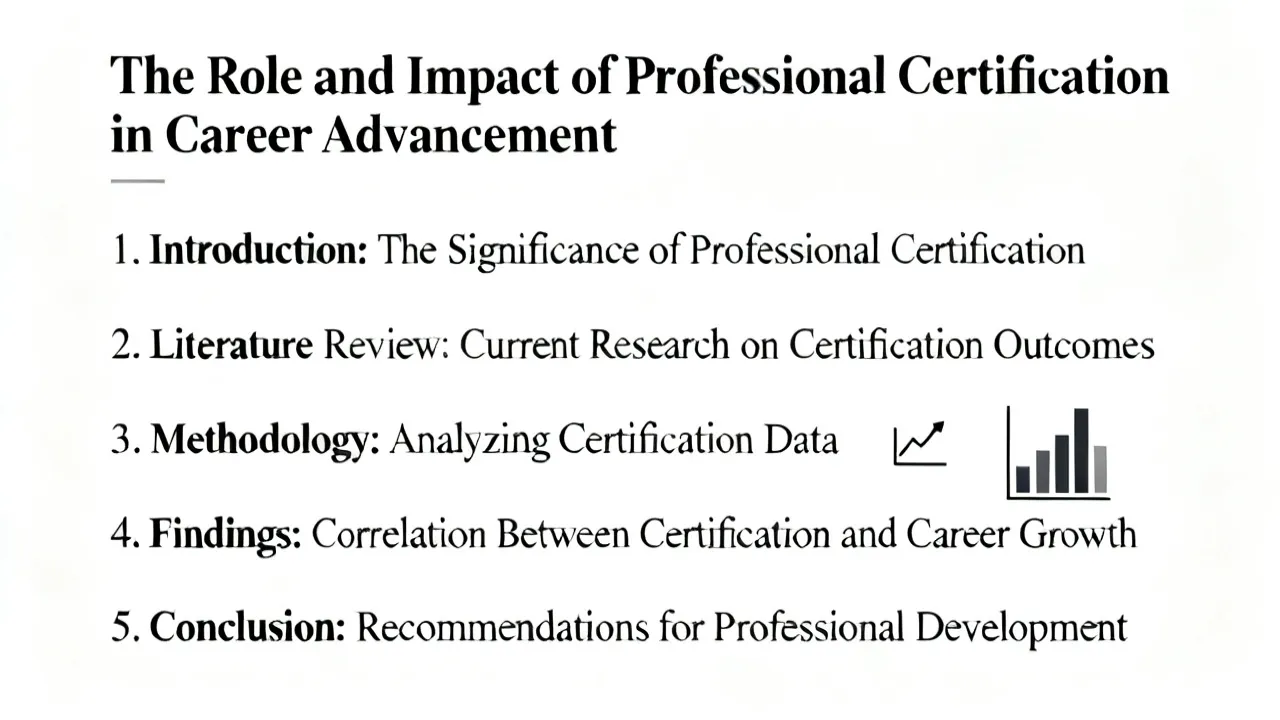
Understanding PECB AAT Certifications
This article offers an in-depth analysis of PECB AAT certifications, renowned for providing a standardized framework for auditing, assessment, and training in various professional sectors. It highlights the importance of these certifications in ensuring industry compliance and enhancing career opportunities. From certification pathways to FAQs, explore how these qualifications uphold standards and elevate expertise in their fields.

Understanding Lato Sensu Education
This guide explores the essential aspects of Lato Sensu programs, which are critical post-graduate courses focusing on specific professional skills enhancement. Typically found in Brazilian education, these programs differ from Stricto Sensu courses by emphasizing practical skills over theoretical research. The article analyzes the elements critical to choosing a Lato Sensu course, such as institution reputation, course content, and potential career outcomes.