This guide explains how to select, use, and evaluate a Poly Mailer for modern shipping operations. Poly mailers are lightweight plastic shipping envelopes made primarily from polyethylene and are commonly used for apparel, textiles, documents, and other non-fragile products. Their performance depends on film thickness, seal quality, dimensions, recycled content, recyclability, protection requirements, labeling, and local waste-management systems.
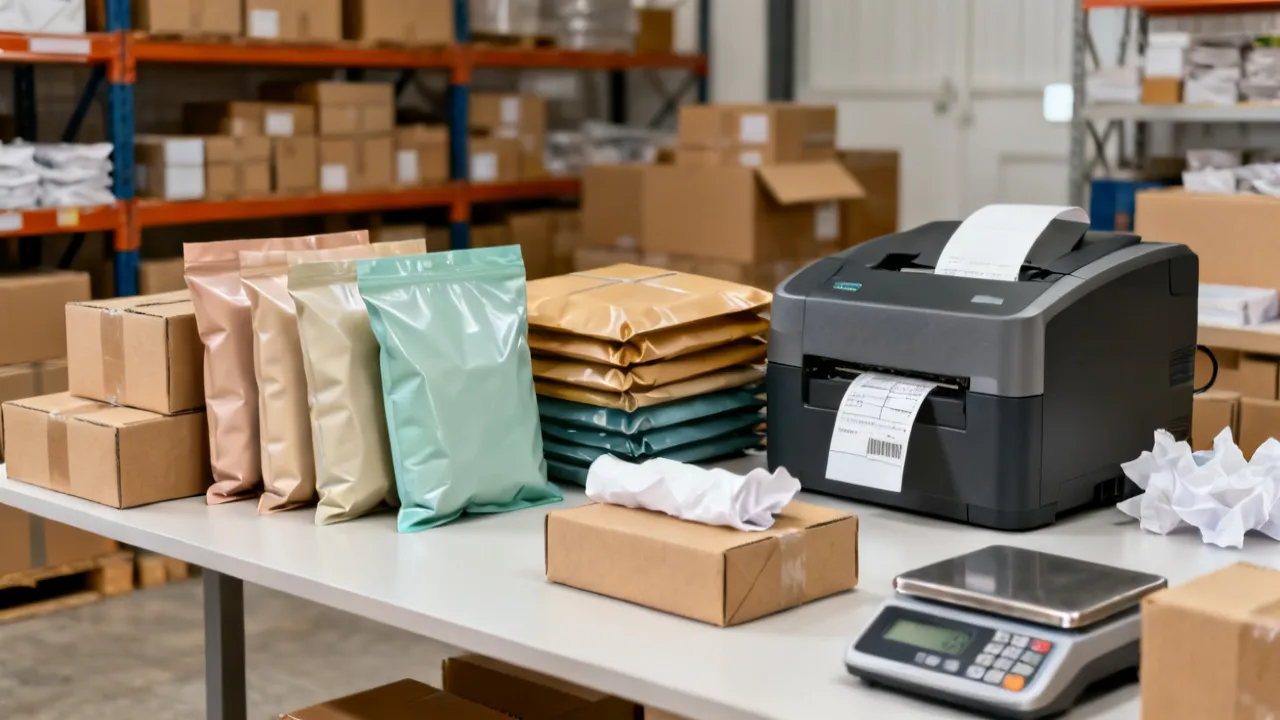
A Poly Mailer is a lightweight shipping envelope designed to protect and contain products during handling, storage, and delivery. The most important selection decision is not color or branding; it is whether the mailer matches the product’s physical characteristics, shipping environment, closure requirements, labeling system, and end-of-life pathway. A well-chosen mailer can reduce dimensional bulk, simplify packing, and present a consistent brand image. An unsuitable one may tear, split at the seams, expose the contents, interfere with scanning, or create unnecessary packaging waste.
Poly mailers are widely used in ecommerce, apparel fulfillment, subscription services, marketplace selling, document distribution, promotional shipments, and returns management. Their popularity comes from a combination of low weight, compact storage, moisture resistance, and simple packing procedures. However, these benefits apply only when the mailer is used for an appropriate product and tested under realistic conditions. A flexible film envelope is not a universal replacement for a corrugated carton, padded box, rigid mailer, or specialized transport package.
From an industry perspective, four questions should be answered before placing a bulk order:
The top choice balances protection, material use, packing speed, presentation, and disposal realities. A thinner mailer is not automatically more sustainable, and a thicker mailer is not automatically more protective. Product testing and accurate specifications are more useful than relying on appearance alone.
Selection should also reflect the business’s order profile. A seller shipping one lightweight T-shirt may need a very different mailer from a seller shipping several thick sweaters, a pair of shoes, or a mixed subscription box. The best program may therefore use two or three sizes or constructions rather than forcing every order into one standard envelope.
A Poly Mailer is a flexible envelope manufactured from polyethylene film. Polyethylene is a thermoplastic polymer used in many packaging applications because it is lightweight, moisture resistant, and capable of being produced in different thicknesses and finishes. Mailers may be made from low-density polyethylene, high-density polyethylene, or blended film structures, depending on the desired strength, flexibility, opacity, and appearance.
Most shipping mailers include a three-sided pouch with an opening along one edge. The top flap generally contains a pressure-sensitive adhesive strip. Some designs include a second adhesive strip, allowing a customer to return the item in the same package. Other versions contain bubble cushioning, a reinforced layer, tamper-evident features, a tear strip, or a gusset that creates additional internal volume.
Unlike a corrugated carton, a Poly Mailer does not provide substantial rigid protection against crushing or impact. Its primary functions are containment, surface protection, moisture resistance, and efficient handling. It can prevent dirt, light rain, scuffing, and minor abrasion from reaching the product, but it should not be treated as a substitute for structural packaging when the contents are fragile.
The term “poly mailer” may describe several related designs. A standard flat mailer is primarily intended for flexible products. A padded poly mailer adds cushioning for minor impact and surface protection. A gusseted mailer expands to accommodate thicker contents. A security mailer may use opaque film, tamper-evident construction, or specialized closure features. These options should be evaluated according to function rather than assumed to be interchangeable.
A Poly Mailer is especially suitable for products that are soft, flexible, lightweight, or already protected by an inner package. Typical examples include clothing, bedding, towels, fabric accessories, printed materials, and selected consumer goods that do not require rigid support.
In apparel fulfillment, the mailer can surround folded garments without adding the volume of a box. This is useful for direct-to-consumer orders, subscription shipments, returns, and promotional campaigns. A store shipping a sweater, for example, may place the garment in an inner bag or tissue wrap before inserting it into a properly sized mailer. The inner layer protects the product from handling, while the outer mailer provides a weather-resistant shipping surface.
Mailers also have a role in returns management. A dual-seal model can provide one closure for the outbound shipment and another for a later return. This design may simplify the customer experience, but it should be evaluated carefully. A return feature is useful only if the adhesive remains reliable, the dimensions accommodate the original contents, and the printed instructions are clear.
Poly mailers can also be practical for products that are already packaged in a rigid retail box but need additional protection from dirt and scuffing. For example, a shoe box, cosmetic gift set, or small appliance package may be placed inside a mailer when the seller wants to preserve the retail presentation. In this situation, the mailer functions as an outer protective skin rather than the primary impact-protection structure.
A flexible mailer is generally less appropriate for glass, ceramics, precision instruments, sharp-edged hardware, liquid containers, and products that can be damaged by bending or compression. A mailer can still serve as an outer layer in some of these cases, but it should not be the only protective component.
Books and documents may fit a mailer when they are not vulnerable to bending, yet a rigid mailer or cardboard insert may be more suitable for valuable prints, certificates, photographs, or thin items that can crease. Similarly, shoes often travel better in a box placed inside a mailer if the seller wants to reduce scuffing while preserving the shoe box’s appearance.
Products with concentrated edges deserve special attention. A belt buckle, zipper, metal clasp, tool handle, or hard plastic corner may puncture film even when the overall product is lightweight. An inner wrap, folded cardboard insert, or padded layer can distribute pressure and reduce this risk. The solution should be selected based on observed failure points rather than added automatically to every package.
| Product Type | Typical Packaging Suitability | Recommended Consideration |
|---|---|---|
| Clothing and textiles | Highly suitable | Use a suitable size and consider an inner moisture barrier for sensitive fabrics. |
| Documents and soft printed materials | Suitable with conditions | Add a stiffener when bending, creasing, or folding could cause damage. |
| Shoes | Suitable with conditions | Use an inner shoe box or protective wrap when presentation and shape matter. |
| Glass and ceramics | Generally unsuitable as the sole package | Use cushioning and a rigid outer container designed for impact protection. |
| Sharp-edged products | Generally unsuitable without reinforcement | Cover edges and select puncture-resistant outer packaging. |
| Liquids | Conditionally suitable | Use leak-resistant primary packaging, secondary containment, and carrier-compliant preparation. |
| Small electronics | Conditionally suitable | Use cushioning, anti-static protection where required, and rigid support for vulnerable components. |
Choosing the correct mailer size is one of the simplest ways to improve packing performance. A mailer that is too small may strain the seams and adhesive flap. One that is too large can allow contents to shift, create unattractive excess material, and complicate automated or manual handling.
Oversized packaging can also increase the chance that the mailer catches on conveyor equipment or becomes folded under heavier parcels. Although flexible packaging does not normally create the same dimensional-weight penalty as a large box, unnecessary volume can still affect storage, packing efficiency, and shipping presentation. Undersized packaging creates the more serious risk of bursting, but both extremes should be avoided.
Manufacturers may state dimensions in different ways. Some list the usable internal area, while others include the flap. Buyers should confirm whether the stated width and height represent the interior pouch, the external dimensions, or the total film panel. This distinction matters when a product is close to the maximum capacity.
For irregular products, a gusseted Poly Mailer may provide better capacity than a flat envelope. A gusset creates a folded side or bottom section that expands when filled. It can be helpful for thicker garments or several soft items, but the additional volume should not be confused with rigid support.
Size charts should be based on actual packed dimensions rather than product dimensions taken from a catalog. Folding method, tissue paper, promotional inserts, and customer return materials can change the final package substantially. A business may also need separate size guidance for single-item orders and multi-item orders.
Film thickness is commonly described in mils or microns, although terminology and measurement practices can vary by supplier. Thickness alone does not define total performance. Resin type, additives, film orientation, seam construction, adhesive quality, and manufacturing consistency also affect durability.
A thicker mailer may offer greater resistance to puncture and tearing, but it may use more material and cost more per unit. A thinner mailer can perform well when the contents are soft and the distribution route is controlled. The correct approach is to match construction to the risk profile rather than selecting the heaviest specification as a default.
Film may be produced in different structures to achieve different performance characteristics. Some films prioritize flexibility and stretch, while others emphasize stiffness, opacity, or puncture resistance. A very stiff film may resist certain forms of damage but can be less forgiving when a bulky product is inserted. A highly flexible film may conform well to soft goods but require reinforcement around hard edges.
Businesses should request a technical data sheet and sample units before approving a large purchase. A supplier’s description may state that a mailer is “heavy duty,” but the buyer should ask for measurable specifications and test methods. When comparing products, ensure that the same measurement basis is being used.
The adhesive strip is a small component with a major operational effect. A closure that peels away during transit can lead to product loss, contamination, or carrier rework. A closure that bonds too aggressively may make returns difficult or cause the film to split when opened.
Good adhesive strips are common for outbound fulfillment. A dual-strip design adds a second closure for returns. Tamper-evident mailers may include a tear line or security feature that indicates whether the package has been opened. These designs can support customer confidence, but they are not a substitute for secure handling procedures or documented chain-of-custody controls.
The release liner should be easy for packers to remove without excessive force. If the liner tears irregularly or the adhesive is exposed before the product is positioned, packing speed and closure quality may suffer. In high-volume operations, small difficulties repeated across thousands of orders can create substantial labor costs.
Adhesives can behave differently in cold warehouses, hot delivery vehicles, and humid storage areas. A packaging evaluation should therefore include the environmental conditions most relevant to the business rather than being limited to a desk-side demonstration.
Sustainability claims require careful interpretation. A Poly Mailer is often made from polyethylene, a material that can be technically recyclable in appropriate streams. However, technical recyclability and practical collection are not identical. Many household curbside programs do not accept flexible plastic film because it can interfere with sorting equipment. In some regions, film is collected through dedicated retail drop-off points or commercial recycling systems.
Before selecting a mailer described as recyclable, a business should identify the intended collection pathway. It should also confirm whether the mailer’s inks, adhesive, labels, metallic effects, laminates, or mixed-material components affect acceptance. Local policies can change, so packaging instructions should be reviewed with the relevant waste operator or municipal authority.
Recycled content is another separate issue. A mailer may contain post-consumer or post-industrial recycled polyethylene, but the percentage, source, color consistency, and performance should be documented by the supplier. Recycled content does not automatically establish that the product is accepted in every local recycling program.
Material reduction should be approached cautiously. Reducing film thickness can lower material use, but if the result is more punctures, product damage, replacements, and reverse shipments, the overall waste burden may increase. Packaging decisions should therefore use damage data, customer complaints, and return records as part of the evaluation.
Terms such as “compostable” and “biodegradable” should not be treated as interchangeable with recyclable. Compostable packaging is designed to break down under specified biological conditions, often within an industrial composting environment. If that infrastructure is unavailable, the intended environmental benefit may not be achieved.
Buyers should request certification details, the applicable test standard, and disposal instructions. For compostable plastic packaging, standards such as ASTM D6400 or EN 13432 may be relevant depending on the market and product claim. Certification to a standard does not guarantee acceptance by every composting facility; the local operator’s requirements remain important.
A package that is described as biodegradable may break down only under certain temperature, moisture, oxygen, or microbial conditions. Some claims may also refer to a limited additive effect rather than complete conversion into environmentally benign substances. Clear technical documentation is essential before using such language in advertising or disposal instructions.
An environmental review should consider the complete packaging system. Preventing product damage, reducing transport volume, and improving warehouse efficiency may all matter, but these benefits should be assessed alongside material sourcing and end-of-life management.
Custom printing can turn a plain Poly Mailer into a recognizable part of the customer experience. A logo, color scheme, care message, return instruction, or security notice may improve consistency across shipments. At the same time, excessive artwork can increase production complexity and make later design changes more expensive.
Before approving printed packaging, confirm the print process, color references, minimum order quantity, artwork requirements, and proofing procedure. Ask whether the ink is suitable for the film surface and whether it remains legible after folding and handling. High-contrast printing is especially important when the mailer also carries a shipping label.
Label placement should be standardized. The label needs a smooth, clean area with sufficient contrast and minimal wrinkles. If the mailer is highly glossy or textured, test thermal labels and barcode scanning under realistic warehouse lighting. A printed pattern should not sit behind the barcode area unless the supplier confirms that scanning performance remains reliable.
Branding should not obscure essential shipping information. The recipient address, carrier barcode, handling instructions, customs information, and return address need adequate space and visual separation. A printed mailer should be designed with the actual label dimensions in mind, including the possibility that labels may be applied by hand and not perfectly centered.
| Design Element | Potential Benefit | Operational Risk |
|---|---|---|
| Single-color logo | Clear identification with relatively simple production | Limited visual flexibility for complex brand systems |
| Full-surface printing | Strong visual impact and campaign presentation | Higher production complexity and possible label-contrast concerns |
| Interior printing | Creates a branded unboxing moment | May add material or production cost without improving shipping performance |
| Return instructions | Can clarify the customer process | Instructions may become outdated if the returns policy changes |
| Disposal instructions | May help customers understand the intended recovery route | Local collection rules may differ between destinations |
In a well-organized packing area, mailers can support rapid order preparation because they are supplied flat, easy to open, and simple to seal. They also occupy less storage volume than many rigid containers. These advantages can be valuable to small retailers, subscription businesses, marketplace sellers, and large fulfillment operations.
However, speed should not be measured only by the time needed to place an item in the envelope. A reliable process also includes product inspection, correct order verification, label application, closure inspection, and exception handling. If the mailer is difficult to open or the adhesive liner is hard to remove, nominal packing speed may not translate into higher throughput.
Ergonomics matter as well. Mailers should be positioned so employees do not repeatedly reach, twist, or pull awkwardly. A dispenser or vertical rack may make different sizes easier to access. Clear color coding or printed size identifiers can reduce selection errors, especially when several mailer sizes look similar.
Standardized work instructions help reduce variation among packers. Photographs or diagrams can be useful for showing how different products should be folded, where labels should be placed, and which items require a carton or protective insert instead of a mailer.
Operations managers should track packing errors separately from transport damage. A torn seam may indicate unsuitable material or overfilling, while an unreadable label may indicate a placement or printer problem. Separating these causes makes corrective action more efficient.
Polyethylene film is durable, but mailers should still be stored in a clean, dry area away from sharp objects, excessive heat, and direct sunlight. Prolonged exposure to unsuitable conditions may affect film appearance, adhesive behavior, or print quality. Stacking should not create pressure that permanently deforms the mailers or makes them difficult to separate.
Inventory rotation is sensible, particularly for custom-printed mailers and products with specialized adhesive systems. The supplier should provide any storage-life guidance relevant to the adhesive and film construction. If a mailer has been stored for an extended period, test a representative sample before returning it to routine use.
Bundles should be protected from dust and moisture during storage. If mailers are delivered in cartons, the cartons should remain closed until the material is needed. The warehouse should also avoid placing heavy objects on top of mailer bundles, as prolonged compression can create folds or distort adhesive flaps.
Supplier selection should be based on documented capability rather than unit price alone. A low quoted price may be offset by high minimum quantities, inconsistent dimensions, weak seals, long production lead times, or expensive shipping. Conversely, a higher-priced mailer may provide better quality control, more reliable delivery, and fewer packaging failures.
Supply continuity is particularly important for businesses with seasonal peaks. A company should understand normal lead times, holiday production schedules, raw-material constraints, and the supplier’s ability to reproduce colors or specifications in later orders. Maintaining an approved backup source may reduce the risk of a packaging shortage.
A procurement team should document approved specifications in a purchase agreement. The document can state the mailer dimensions, thickness range, closure design, print requirements, recycled content, packaging configuration, inspection criteria, and acceptable tolerance. This makes supplier performance easier to evaluate over time.
Quality control does not need to be elaborate to be useful. A basic inspection program can identify problems before they affect customer orders. Inspectors may review random units from each shipment for dimensions, film consistency, seal alignment, adhesive coverage, print registration, odor, and visible contamination.
For higher-volume operations, quality sampling can be designed around an established acceptance plan. The chosen plan should reflect the business’s risk tolerance and the consequences of failure. Critical issues such as an adhesive that does not bond or a seam that separates under ordinary loading deserve greater attention than minor cosmetic variation.
Incoming inspection should be documented with the supplier, lot number, delivery date, quantity received, sample size, findings, and disposition. Photographs of defects can make supplier discussions more productive. If problems recur, the buyer should request a corrective-action response rather than repeatedly accepting defective units.
| Inspection Area | What to Check |
|---|---|
| Dimensions | Confirm width, height, flap length, and opening size against the approved specification. |
| Film | Look for holes, weak spots, uneven thickness, excessive wrinkles, or contamination. |
| Seams | Check that side and bottom seals are continuous and properly aligned. |
| Adhesive | Verify liner removal, adhesive coverage, bonding, and closure consistency. |
| Printing | Review color, text, barcode area, registration, smearing, and legibility. |
| Packaging count | Confirm the quantity and labeling of cartons or bundles received. |
| Odor and cleanliness | Check for unusual odor, foreign particles, residue, or visible contamination. |
A small pilot can reveal issues that samples on an office desk do not show. Select representative products, pack them using normal procedures, apply real shipping labels, and expose them to the types of handling expected in the distribution network. The objective is not to recreate every possible event, but to identify predictable weaknesses.
Testing should include the actual packing method used by employees or contract packers. A mailer may perform well when carefully filled by a packaging engineer but fail when workers insert products quickly during a peak period. Testing several packers can reveal whether closure quality depends too heavily on individual technique.
Testing should be proportionate to the value and sensitivity of the contents. A retailer shipping ordinary clothing may need a different evaluation than a company shipping archival documents or high-value accessories.
Field data should supplement laboratory or controlled testing. Customer complaints, photographs of damaged packages, carrier claims, and return inspections can identify failure modes that were not anticipated during initial approval. When a pattern appears, the business should review whether the issue relates to the mailer, the product design, the packing method, or the distribution route.
Unit price is influenced by dimensions, film thickness, color, printing, recycled content, order quantity, closure type, cushioning, and production location. Custom work generally involves artwork setup and production requirements that do not apply to plain stock mailers. Shipping and storage costs also affect the total procurement decision.
A useful cost model includes:
Businesses should compare packaging on a cost-per-successful-delivery basis rather than cost per unit alone. If a slightly stronger mailer reduces damage claims or repacking work, its overall value may be better. The conclusion should be based on actual operational records rather than assumptions.
Forecasting is also important. Purchasing too little may cause emergency orders at a higher price, while purchasing too much can tie up cash and create obsolete inventory if branding or product dimensions change. A practical purchasing plan considers average demand, seasonal peaks, supplier lead time, safety stock, and the likelihood of design revisions.
A single size may appear convenient, but it can create excess film around small products and stress around larger ones. A small range of carefully selected sizes often provides a better balance between inventory complexity and packing efficiency.
Zippers, buckles, corners, and hardware can press against the film during handling. Soft products may still contain hard features that require an inner wrap or a different mailer construction.
A shipping label placed on a folded or highly curved section may detach or become difficult to scan. The packer should flatten the label area and avoid placing it over the opening flap when possible.
Polyethylene film resists surface moisture, but the complete package may still be vulnerable at the adhesive area, seams, label, or damaged sections. The word “waterproof” should not be used as a blanket conclusion without defined test conditions.
Return shipments may contain different products, altered folding, or additional paperwork. A dual-seal design can help, but the mailer must still have enough capacity and clear instructions.
Statements about recyclability, compostability, or environmental superiority should be supported by product documentation and relevant local disposal guidance. A claim that is technically accurate in one region may be misleading in another.
Overfilling can place continuous stress on the side seals and adhesive flap. It may also create a package with protruding corners that is more vulnerable to abrasion. Employees should know when to move an order into a larger mailer or rigid package instead of forcing it into the first available size.
Fibers, tissue fragments, and product dust can reduce adhesive contact. A clean seal area is a basic but important requirement. Packing stations should be kept orderly, and products should be positioned so that loose material does not collect near the flap.
Small retailers often benefit from plain or lightly branded mailers because they can keep packaging inventory manageable. The priority should be consistent sizing, dependable adhesive, and a clear packing routine. A short pilot with actual orders can reveal whether the selected mailer is suitable before the retailer commits to custom production.
Fashion companies may treat packaging as part of brand presentation. Color, print quality, tactile appearance, and return functionality can influence the customer experience. Yet the aesthetic decision should remain connected to logistics. A dark exterior may provide useful opacity, while a busy pattern may interfere with labels if the artwork is not planned carefully.
Subscription shipments often contain recurring combinations of soft goods, printed materials, and promotional inserts. A gusseted or slightly larger mailer may accommodate changes in monthly contents, but oversizing can increase material use. Pack-out testing should cover the fullest expected configuration.
Marketplace sellers must pay close attention to carrier rules, label readability, product protection, and returns. Packaging should be selected with the platform’s handling expectations and customer-service procedures in mind. A mailer that performs well for local delivery may require additional protection for longer-distance fulfillment.
Organizations shipping catalogs, certificates, photographs, or marketing materials may use poly mailers for moisture protection, but bending can remain a concern. A paperboard stiffener, rigid insert, or specialized flat mailer can preserve presentation quality. The choice depends on the value of the material and the acceptable level of bending.
Packaging requirements vary by product, carrier, destination, and jurisdiction. Sellers should verify rules that apply to dangerous goods, liquids, batteries, medical products, food-contact materials, privacy-sensitive documents, and international shipments. A general Poly Mailer specification cannot replace product-specific compliance review.
Where environmental claims are made, businesses should consult applicable advertising and consumer-protection rules. In the United States, the Federal Trade Commission’s environmental marketing guidance is relevant to how broad environmental claims are communicated. In other markets, national or regional authorities may impose different requirements.
Testing standards can help create a common technical language, but the correct standard depends on the claim and product. ASTM, ISO, EN, and other recognized systems cover various aspects of packaging, plastics, labeling, and transport testing. The buyer should identify the claim first, then confirm which test method and certification framework apply.
International shipping may introduce additional requirements for customs declarations, commercial invoices, product descriptions, and destination-specific labeling. The mailer itself may be acceptable, but the overall shipment can still be delayed if documents are hidden, damaged, or incorrectly attached. International orders should therefore be included in testing whenever they represent a meaningful portion of sales.
Before approving a Poly Mailer, an organization should establish clear conditions for use. These conditions protect the product, the customer, and the business’s operational objectives.
From an industry expert’s standpoint, the strongest packaging programs are built around evidence. Start with the products and delivery risks, not a preferred material. Compare several mailer constructions, test them using representative orders, and calculate the total operational effect. Do not select a package solely because it is thin, glossy, inexpensive, or marketed with a broad environmental phrase.
It is also wise to separate three decisions that are often confused: performance, presentation, and end-of-life. Performance concerns whether the product arrives in acceptable condition. Presentation concerns the visual and tactile customer experience. End-of-life concerns how the packaging is managed after use. One design may perform well in one category and poorly in another, so a balanced assessment is required.
Businesses should use real data wherever possible. Measure average pack time, mailer consumption by size, damage frequency, return rates, label-scanning errors, and customer feedback. These metrics can show whether a design change has delivered a practical benefit. For example, a new mailer may look more premium but slow the packing line, or a thinner material may reduce purchase cost while increasing replacement shipments.
Finally, establish a review cycle. Changes in product assortment, carrier routing, warehouse climate, label technology, supplier materials, or local recycling rules can affect the suitability of an existing mailer. Periodic review keeps packaging decisions aligned with actual business conditions.
Poly mailers are commonly used for clothing, textiles, soft accessories, documents, and other non-fragile products. Items with sharp edges, substantial weight, liquid contents, or breakage risk may require inner protection, a rigid container, or an alternative packaging format.
Polyethylene film provides resistance to surface moisture, but the full package should not automatically be described as waterproof. Seams, adhesive closures, labels, punctures, and prolonged exposure can affect protection. Use precise performance claims supported by testing.
Some polyethylene mailers can enter flexible-film recycling systems, but acceptance varies by location. Many curbside programs do not collect plastic film. Check the local waste authority, retailer collection point, or commercial recycler before providing disposal instructions.
Mailers containing recycled polyethylene can provide suitable performance when properly engineered and manufactured. Durability depends on the film structure, recycled-content percentage, thickness, seals, and adhesive. Request technical documentation and conduct product-specific tests.
A regular mailer consists primarily of flexible film. A padded mailer contains an internal cushioning layer, often an air-bubble structure or another protective material. Padding can reduce minor abrasion and impact, but it does not provide the same structural protection as a properly designed box.
Measure the product after all inner packaging has been added. Select a mailer that permits insertion and closure without forcing the contents against the seams. Avoid excessive unused space, especially when products can shift during transport.
Yes. Dual-adhesive-strip models are designed to support an outbound shipment and a subsequent return. Confirm that the dimensions, instructions, adhesive, and product protection remain suitable when the item is repacked by the customer.
No. Thickness is one performance factor among several. Film formulation, orientation, seam construction, adhesive quality, and product shape also influence results. The appropriate specification should be established through testing under realistic handling conditions.
They can usually be applied directly when the surface is clean, dry, smooth, and compatible with the label adhesive. Test the specific label stock and printing method, particularly when the mailer has a glossy finish, a textured surface, or extensive custom printing.
Review dimensions, film thickness, material composition, recycled content, adhesive design, print colors, artwork placement, label area, minimum order quantity, lead time, tolerances, sample approval, and quality-control procedures. Written specifications help prevent misunderstandings.
Store them in a clean, dry location away from excessive heat, direct sunlight, moisture, and sharp objects. Keep bundles organized to prevent deformation and follow any storage-life instructions supplied for the adhesive and printed film.
Not necessarily. Compostable products require the correct environmental conditions and collection infrastructure. Review certification, disposal instructions, recipient-market requirements, and the policies of local composting facilities before adopting this option.
Use a suitable size, avoid unnecessary layers, select designs compatible with the intended recovery system, and monitor damage rates. Reducing material should not create more waste through product damage, repacking, returns, or replacement shipments.
No. Custom printing can support recognition and presentation, but it also creates minimum-order requirements, longer lead times, and potential obsolete inventory. Plain mailers with labels, stickers, or inserts may be more practical for new or frequently changing businesses.
Record the product type, mailer size, batch, closure method, damage location, and handling conditions if known. Review whether the mailer was overfilled, punctured by the product, poorly sealed, or unsuitable for the route. Corrective action may involve changing the material, size, inner protection, or packing procedure.
A Poly Mailer can be an efficient packaging solution for soft, lightweight, and non-fragile products, particularly in ecommerce and direct-to-consumer fulfillment. Its value depends on more than low weight or visual simplicity. Correct sizing, reliable film and seams, effective adhesive, label compatibility, appropriate product protection, and accurate environmental communication all contribute to successful use.
Businesses should evaluate the complete shipping system, request verifiable specifications, test representative orders, and maintain clear operating procedures. When these steps are followed, a Poly Mailer can support dependable fulfillment while giving organizations a practical basis for managing cost, presentation, protection, and material responsibility.
The selection process should remain flexible. Product lines evolve, carriers change their handling processes, customer expectations develop, and recovery infrastructure varies by market. A mailer that is appropriate today should still be reviewed when any of these conditions change. Continuous improvement is more reliable than assuming that one packaging format will remain ideal indefinitely.
Striking the Perfect Balance: Navigating Premiums and Out-of-Pocket Expenses in Senior Insurance Plans

Explore the Tranquil Bliss of Idyllic Rural Retreats

How to Make Lasting Memories at Disneyland Attractions

Affordable Phones and Plans for Seniors

Affordable Full Mouth Dental Implants Near You

Unlock the Top Kept Secrets to Finding Your Ideal Dentist for Flawless Dental Implant Results!

Discovering Springdale Estates

Unveiling RS Sul Telecom Services

The Guide to Car Trading


Understanding Proportional Valves
Proportional valves are hydraulic components vital for controlling fluid flow and pressure with high precision in various industrial applications. Their importance in automation and manufacturing settings stems from their ability to offer variable output in response to input signals, greatly enhancing system efficiency and performance.
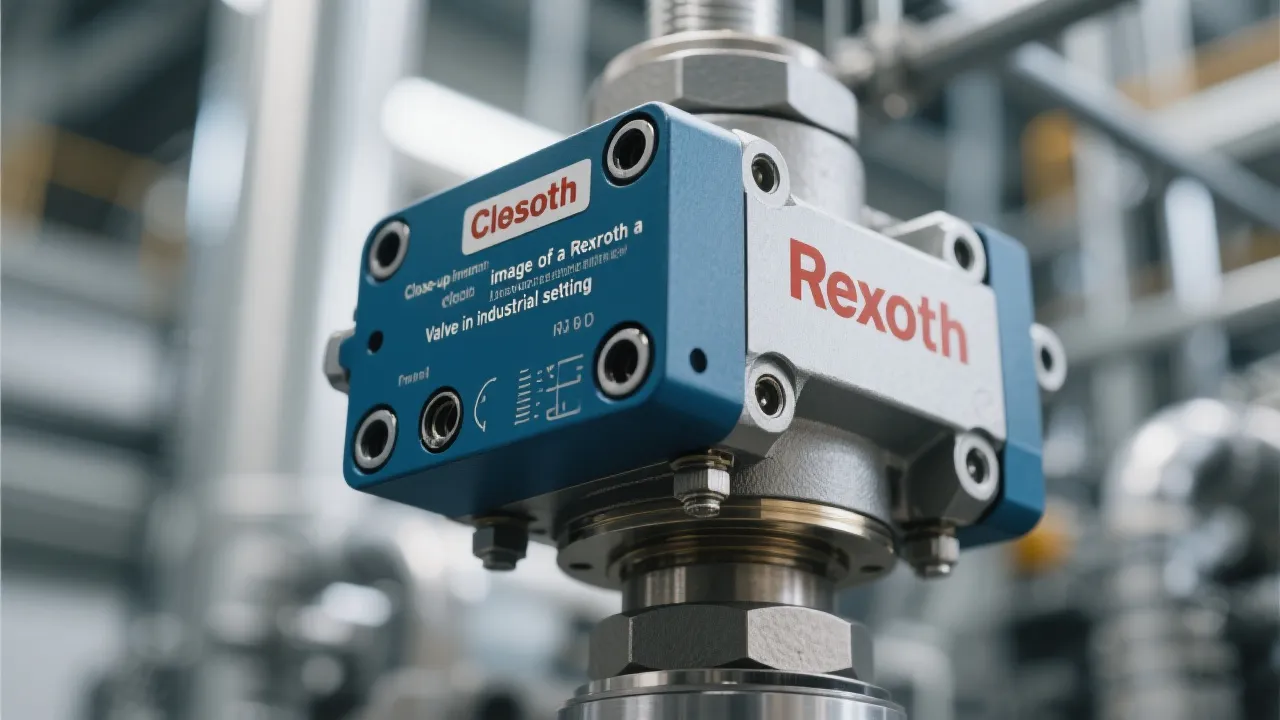
Understanding Rexroth Valve Systems
Rexroth Valves are quintessential components in various industrial applications, known for their precision and reliability. These hydraulic, pneumatic, and electrohydraulic valves regulate fluid flow in machinery, ensuring optimal performance and safety. Understanding their functionality and benefits is crucial for industries seeking efficiency and sustainability in their operations.

Unveiling Thermo Fisher Chromatography
This article explores the pivotal role of Thermo Fisher Chromatography in modern analytical science. Chromatography is crucial for separating compounds within mixtures, making it indispensable in industries such as pharmaceuticals and environmental testing. Thermo Fisher Scientific stands out in this field for its innovative solutions, leading to improved accuracy and efficiency in research and development.

Understanding Corrosion Inhibitor Manufacturers
In today's industrial landscape, corrosion inhibitor manufacturers play a crucial role in safeguarding equipment and infrastructure against corrosive damage. These manufacturers provide specialized chemicals that prevent corrosion in various environments, including industries such as oil and gas, marine, and construction. Understanding their operations and offerings is essential for selecting the right supplier and maintaining asset longevity.

Analyzing Lm66100 Digikey Components
This article offers an in-depth analysis of the Lm66100 component available through Digikey, a renowned distributor of electronic components. The Lm66100, a load switch, is integral in industry applications, providing efficient power management. This piece explores its features, applications, and availability through Digikey, while offering a comprehensive guide for industry professionals seeking to optimize their electronic designs.

Leading Corrosion Inhibitor Suppliers
Corrosion inhibitor manufacturers play a crucial role in protecting materials from degradation. These companies specialize in creating chemical compounds that slow down or prevent the corrosive effects on various surfaces, especially metals. Understanding their production processes and solutions offered is vital for industries reliant on metal infrastructure.