ISO 9001 is a globally recognized standard for quality management systems, providing a framework for consistent quality assurance across industries. Established by the International Organization for Standardization, the ISO 9001 certification guides businesses in maintaining robust quality processes, enhancing customer satisfaction, and improving operational efficiency. This article delves into the comprehensive process of achieving ISO 9001 certification, its benefits, and expert insights into its implementation.
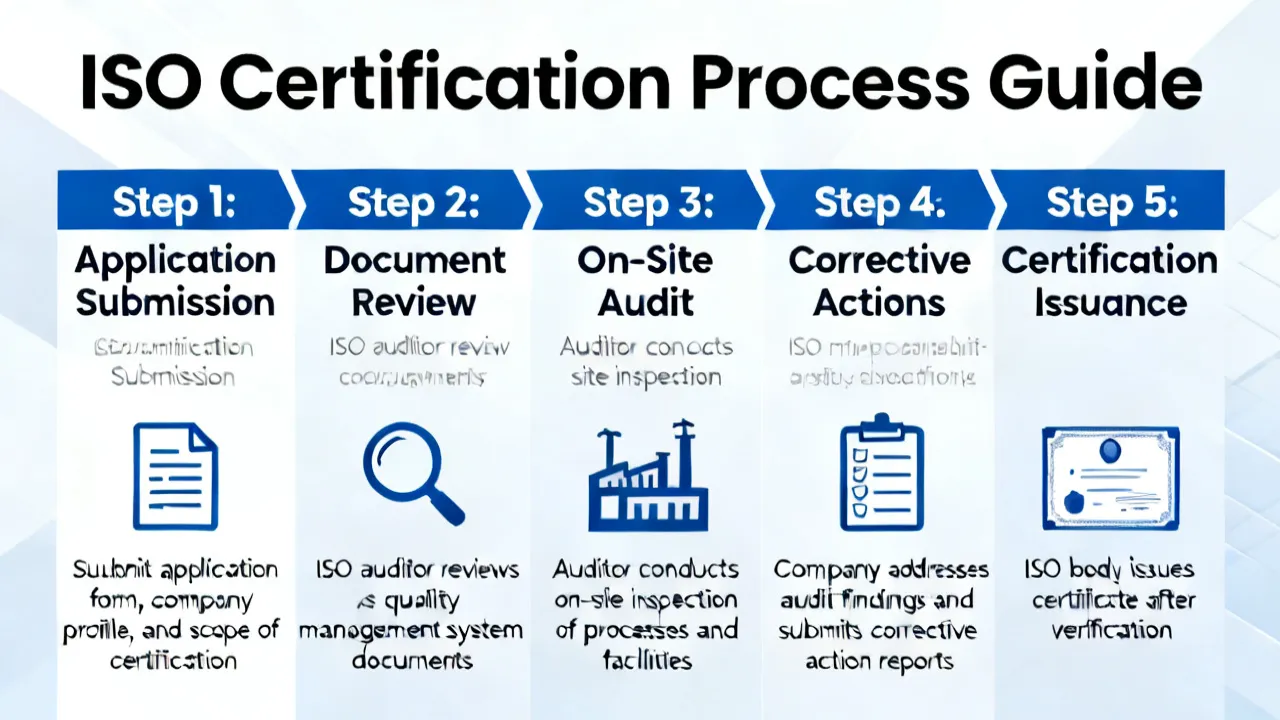
ISO 9001 certification represents a quality management standard that organizations across various industries pursue to ensure superiority and consistency in their products and services. The certification serves as a testament to a company's ability to meet rigorous quality control standards, thereby securing a competitive edge in the marketplace. It emphasizes the importance of customer satisfaction, efficient process management, and continuous improvement, making it a critical component of organizational success.
At its core, ISO 9001 provides a framework for organizations to manage their business processes effectively and efficiently. By adhering to the guidelines set forth in the ISO 9001 standard, companies are equipped to consistently deliver products and services that not only meet customer expectations but also comply with relevant regulations and standards. This is particularly crucial in today’s highly competitive business environment, where consumers are increasingly demanding transparency and accountability from the brands they engage with.
Adopting ISO 9001 standards involves implementing a systematic approach to manage processes and product quality. This approach enhances operational efficiency, minimizes errors, and boosts customer satisfaction. Over one million organizations worldwide hold ISO 9001 certification, reflecting its global acceptance and importance in maintaining high-quality benchmarks. The standard is designed to be applicable to any organization, regardless of its size, type, or sector, ensuring a wide-ranging impact on quality management practices.
Moreover, ISO 9001 certification is not just a mark of quality but also a sign of credibility in the marketplace. It indicates that an organization prioritizes quality and has systematic processes in place to achieve consistency and reliability in its offerings. This recognition is vital for building trust with customers and stakeholders and can significantly influence purchasing decisions.
Furthermore, organizations that pursue ISO 9001 certification often experience a cultural shift towards quality awareness among employees. This shift cultivates a commitment to quality at every level of the organization, encouraging everyone to take ownership of their role in delivering high-quality products and services. This holistic approach is fundamental in driving overall performance improvements and fostering a culture of excellence.
Achieving ISO 9001 certification is a multi-step process that requires dedication, resource allocation, and a keen understanding of the standard's requirements. Here's a detailed breakdown of each step involved in achieving ISO 9001 certification:
Following these steps diligently can significantly enhance an organization's likelihood of achieving successful ISO 9001 certification. The iterative process of assessment, improvement, and training fosters not just compliance but a long-term commitment to quality that transcends the certification itself.
The advantages of obtaining ISO 9001 certification are manifold and can profoundly impact various aspects of the organization. Here are some of the key benefits:
While becoming ISO 9001 certified offers multiple benefits, organizations may face challenges, such as resource allocation, employee resistance to change, and the need for continuous compliance. It is essential to foster an organizational culture that values quality and continuous improvement to overcome these challenges effectively. Here are some specific challenges organizations may encounter:
Overcoming these challenges requires strong leadership, clear communication, and a facility-wide commitment to fostering a culture of quality. Organizations must recognize that the journey to ISO 9001 certification is not a one-time event but an ongoing commitment to excellence.
A: The duration varies based on the company size and complexity of processes, but typically ranges from six to twelve months. Smaller organizations with straightforward operations may achieve certification more quickly, whereas larger and more complex entities may require additional time for thorough assessments and adjustments.
A: Yes, ISO 9001 certification requires renewal every three years to ensure ongoing compliance and implementation of new standards. Regular surveillance audits may also be conducted during this period to verify continued adherence to the quality management system.
A: Absolutely. ISO 9001 aligns all businesses, regardless of size, with industry standards and can improve efficiencies and market reliability. Small businesses can utilize the principles of ISO 9001 to gain a competitive edge, enhance operational effectiveness, and enhance customer trust.
A: Costs can vary widely depending on factors such as company size, current processes, and the chosen certification body. Budget considerations should include training costs, consultancy fees, documentation creation, and certification body charges for audits.
A: Yes, many organizations implement ISO 9001 alongside other ISO standards, such as ISO 14001 for environmental management or ISO 45001 for occupational health and safety. Integrating these systems can streamline processes and enhance overall organizational effectiveness.
| Standard | Focus Area | Key Benefits |
|---|---|---|
| ISO 9001 | Quality Management Systems | Improved product/service quality and customer satisfaction. |
| ISO 14001 | Environmental Management Systems | Enhanced environmental protection and compliance with regulations. |
| ISO 45001 | Occupational Health and Safety | Improved employee safety and reduction of workplace risks. |
| ISO 27001 | Information Security Management | Proactive management of information security risks and data protection. |
By understanding the distinct focus areas of each standard, organizations can better align their quality management objectives with broader operational goals. The implementation of multiple ISO standards simultaneously can offer a holistic approach to organizational management and risk mitigation.
ISO 9001 certification represents more than just a quality management standard; it is a commitment to continuous improvement, customer satisfaction, and operational excellence. Implementing and maintaining this certification can be a challenging journey, but the rewards of global recognition, improved efficiency, and customer confidence make it a worthwhile investment. Businesses pursuing ISO 9001 certification should remain dedicated, informed, and adaptable to yield meaningful results and sustained success.
In conclusion, the journey toward ISO 9001 certification is as much about the commitment to quality and customer-centric practices as it is about compliance with a standard. By embracing the principles of ISO 9001, organizations can significantly elevate their quality management practices, build lasting customer relationships, and foster an environment of continual improvement. As businesses face ever-evolving challenges in the marketplace, ISO 9001 certification stands as a beacon of quality assurance that helps organizations navigate these complexities with confidence and resilience.
Continuous improvement is not just a requirement of ISO 9001; it is a mindset that, when adopted at all organizational levels, promotes innovation and responsiveness. In today’s fast-paced world, companies that prioritize quality through ISO 9001 certification are better positioned to meet stakeholder expectations, drive operational efficiencies, and achieve sustainable growth. With a dedicated approach to quality management, organizations can harness the full potential of ISO 9001, transforming it into a powerful tool for strategic success.
Striking the Perfect Balance: Navigating Premiums and Out-of-Pocket Expenses in Senior Insurance Plans

Explore the Tranquil Bliss of Idyllic Rural Retreats

How to Make Lasting Memories at Disneyland Attractions

Affordable Phones and Plans for Seniors

Affordable Full Mouth Dental Implants Near You

Unlock the Top Kept Secrets to Finding Your Ideal Dentist for Flawless Dental Implant Results!

Discovering Springdale Estates

Unveiling RS Sul Telecom Services

The Guide to Car Trading


Understanding ISO 9001 Implementation
This comprehensive guide covers ISO 9001, a globally recognized standard ensuring quality management and operational efficiency across industries. By providing a framework of criteria to be met for certification, ISO 9001 enhances customer satisfaction and organizational performance through consistent quality service and product offerings.
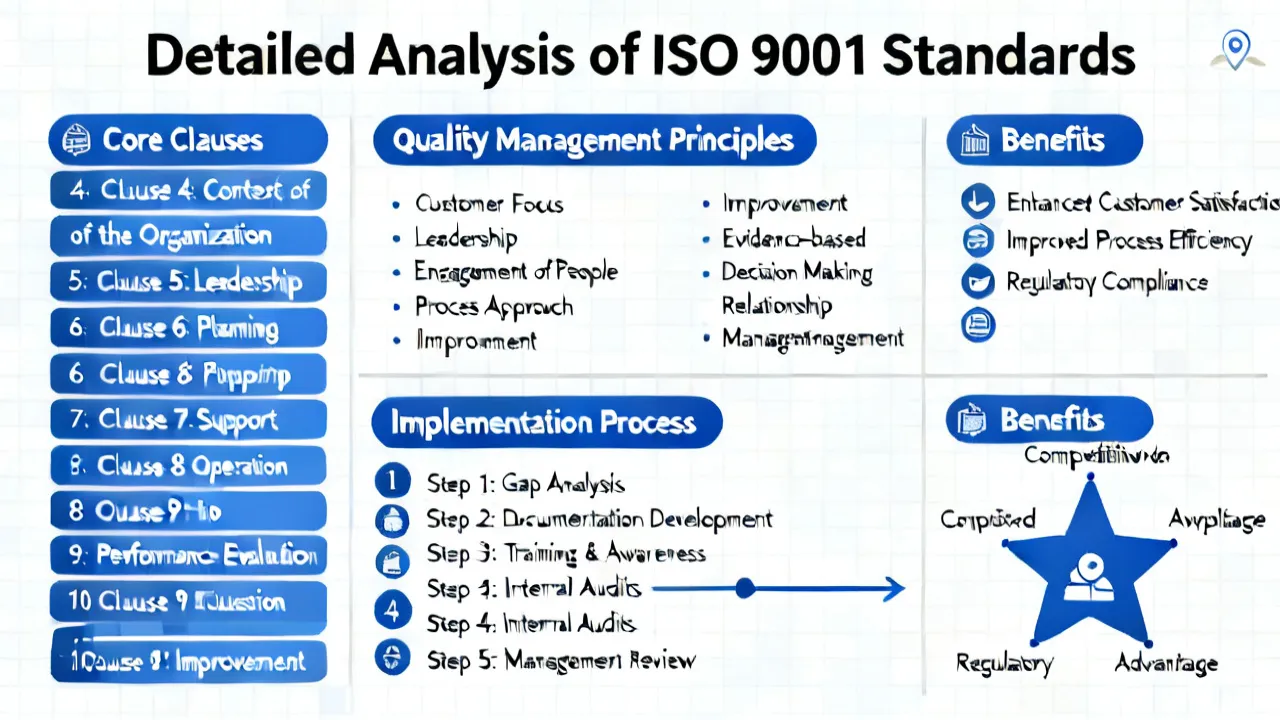
Understanding the 9001 ISO Standards
This guide delves into the 9001 ISO standards, a globally recognized set of criteria for quality management systems. ISO 9001 sets the foundation for organizations to ensure quality in their processes, enhancing customer satisfaction and operational excellence. As industries worldwide strive for certification, understanding ISO 9001's framework is essential for competitive advantage and compliance.
Understanding ISO 9001 Certification
ISO 9001 is a globally recognized standard for quality management systems, providing a framework for consistent quality assurance across industries. Established by the International Organization for Standardization, the ISO 9001 certification guides businesses in maintaining robust quality processes, enhancing customer satisfaction, and improving operational efficiency. This article delves into the comprehensive process of achieving ISO 9001 certification, its benefits, and expert insights into its implementation.

Understanding the 6ms Ishikawa Diagram
The 6ms Ishikawa Diagram is a pivotal tool in quality management and problem-solving within industries. Commonly known as the fishbone diagram, it helps in identifying root causes of issues by categorizing factors like Methods, Materials, Machines, Manpower, Measurements, and Mother Nature (Environment). This article delves into its applications, benefits, and how it's used in practice.
Understanding ISO 9001 Certification
ISO 9001 is a globally recognized standard for quality management systems, providing a framework for consistent quality assurance across industries. Established by the International Organization for Standardization, the ISO 9001 certification guides businesses in maintaining robust quality processes, enhancing customer satisfaction, and improving operational efficiency. This article delves into the comprehensive process of achieving ISO 9001 certification, its benefits, and expert insights into its implementation.
Understanding the 9001 ISO Standards
This guide delves into the 9001 ISO standards, a globally recognized set of criteria for quality management systems. ISO 9001 sets the foundation for organizations to ensure quality in their processes, enhancing customer satisfaction and operational excellence. As industries worldwide strive for certification, understanding ISO 9001's framework is essential for competitive advantage and compliance.